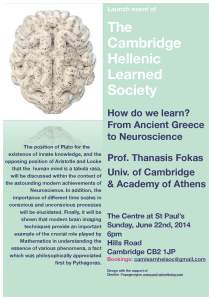
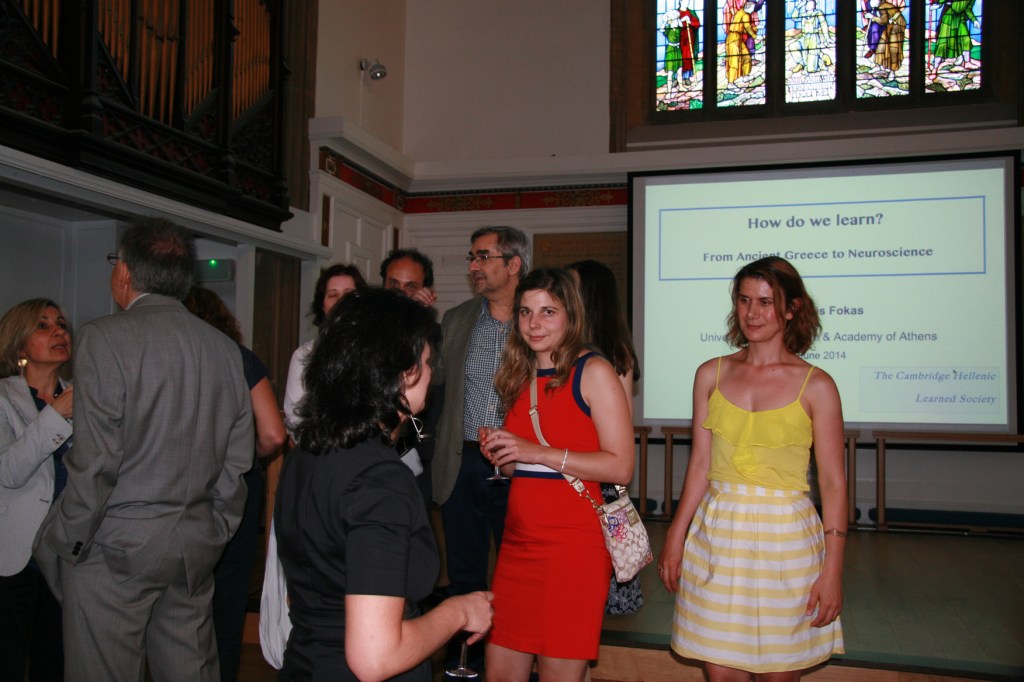
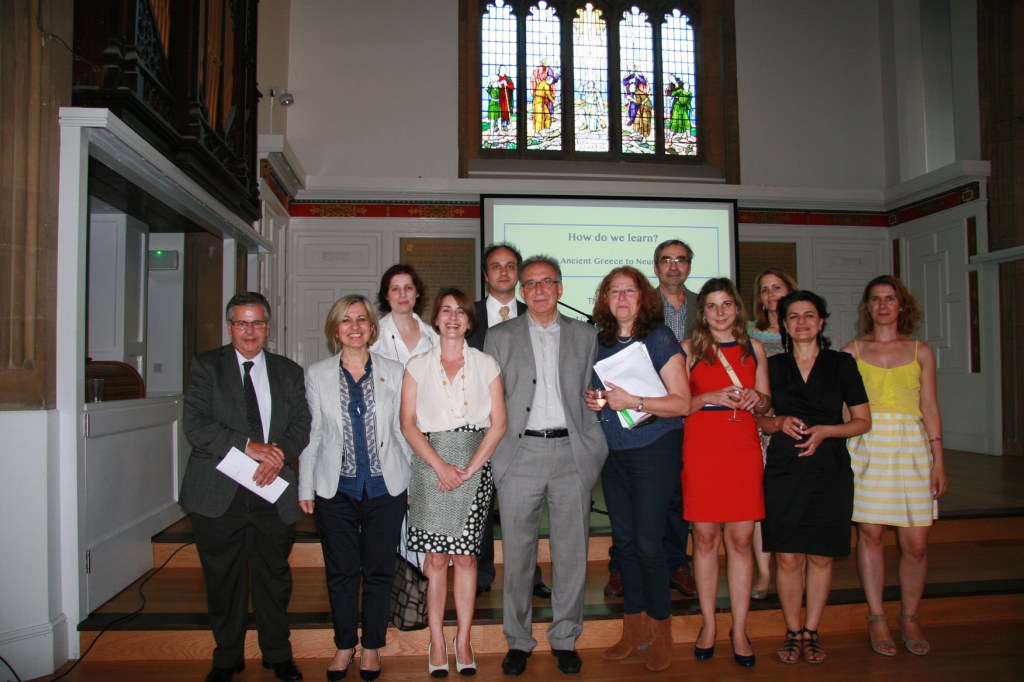
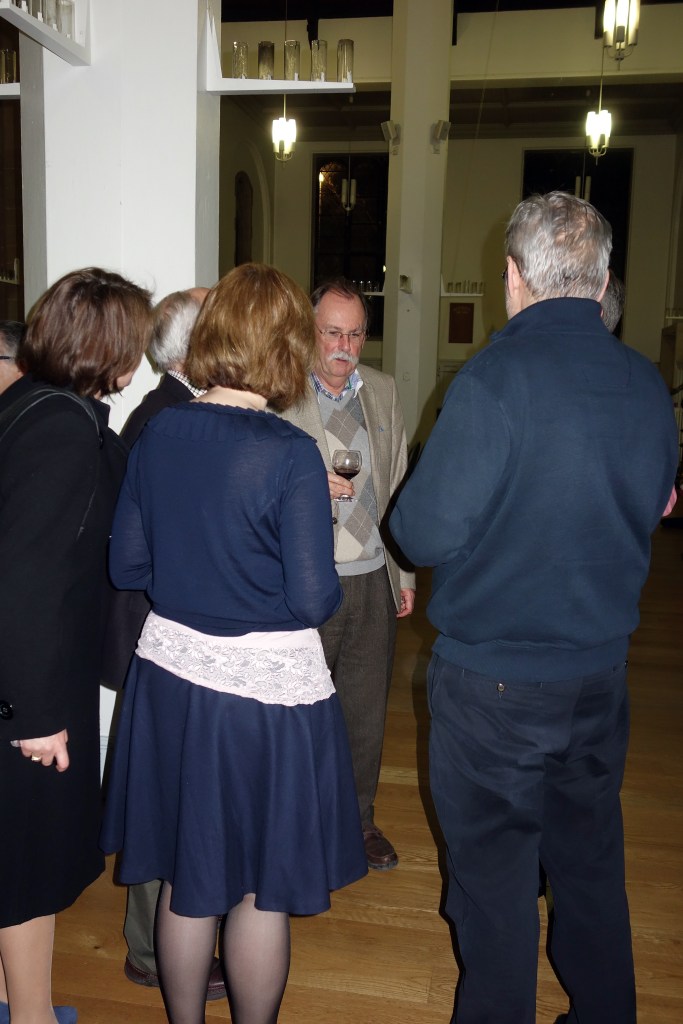
The inaugural event of the Society was held on June 22nd 2014 at St Paul’s Centre. After an introduction about the Society, Professor Thanasis Fokas* gave a talk titled “How do we Learn: from Ancient Greece to Neuroscience”. This event was attended by over 120 people and was followed by a wine and cheese reception. There was a crèche for younger children, provided by the Society.
* http://www.damtp.cam.ac.uk/user/tf227/


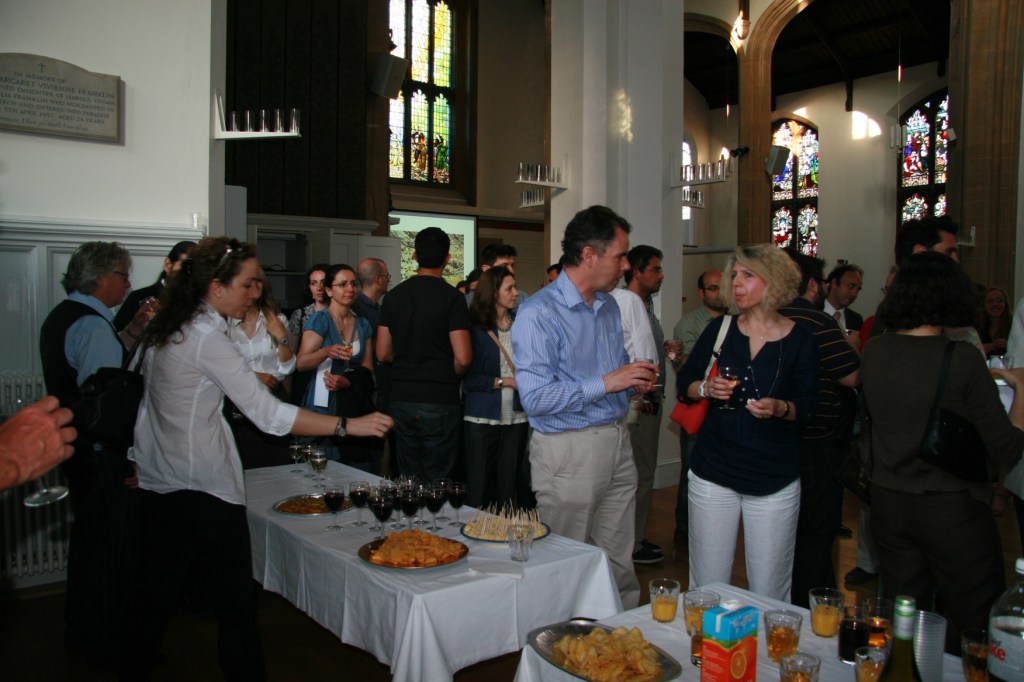
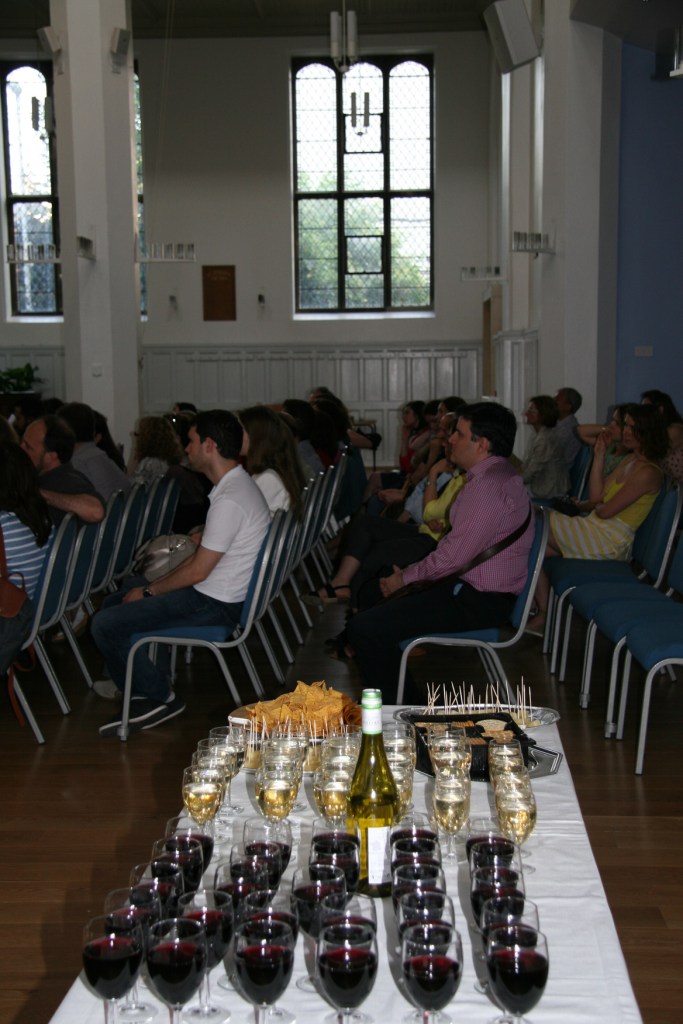
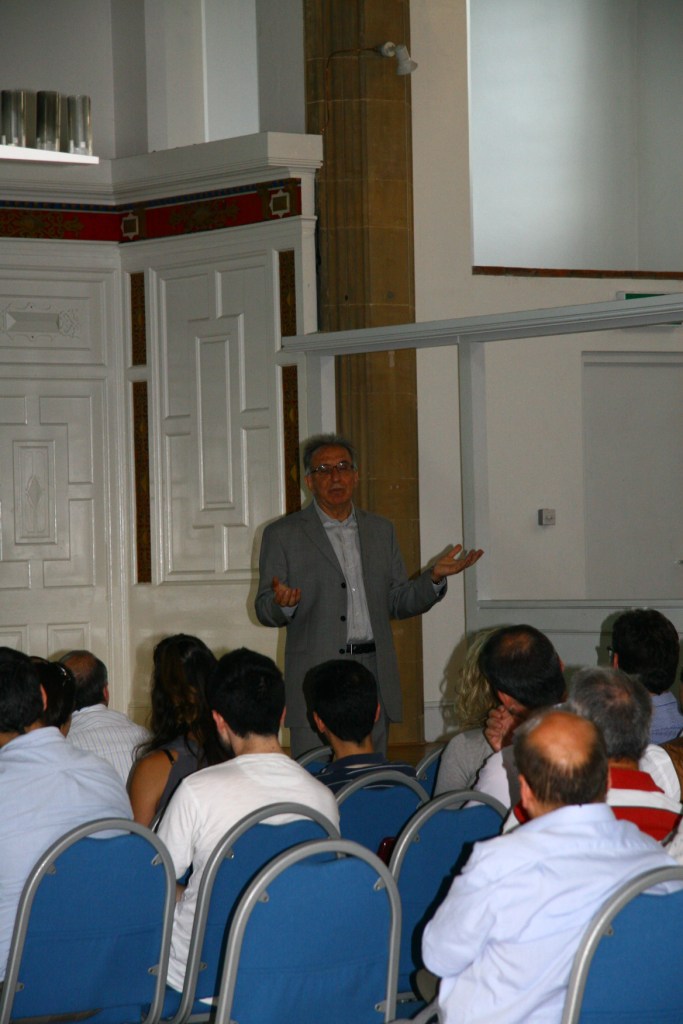


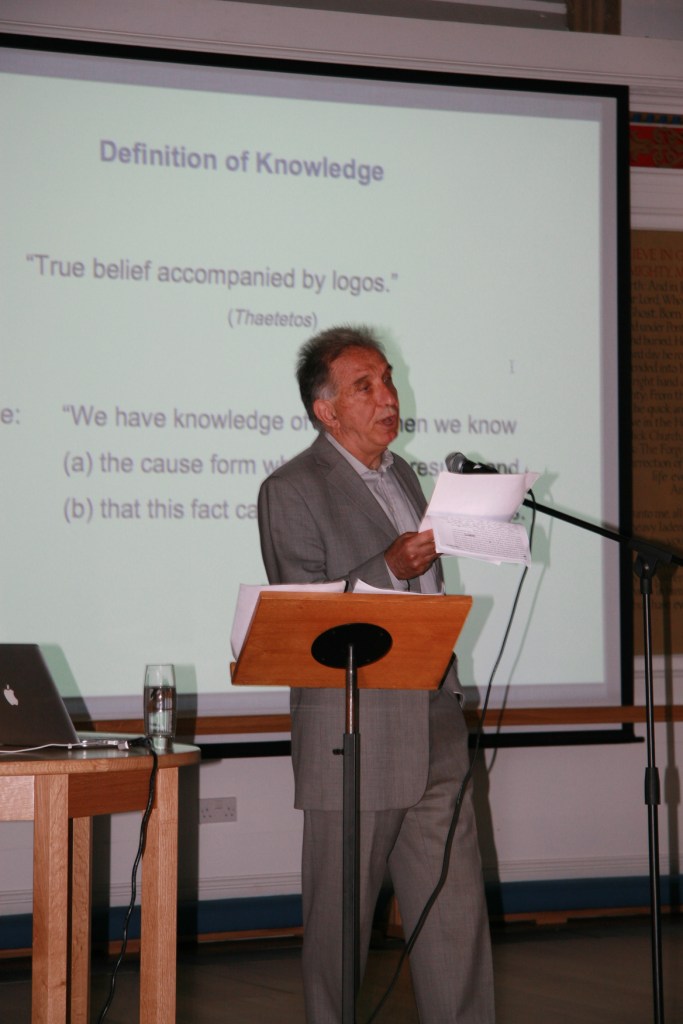
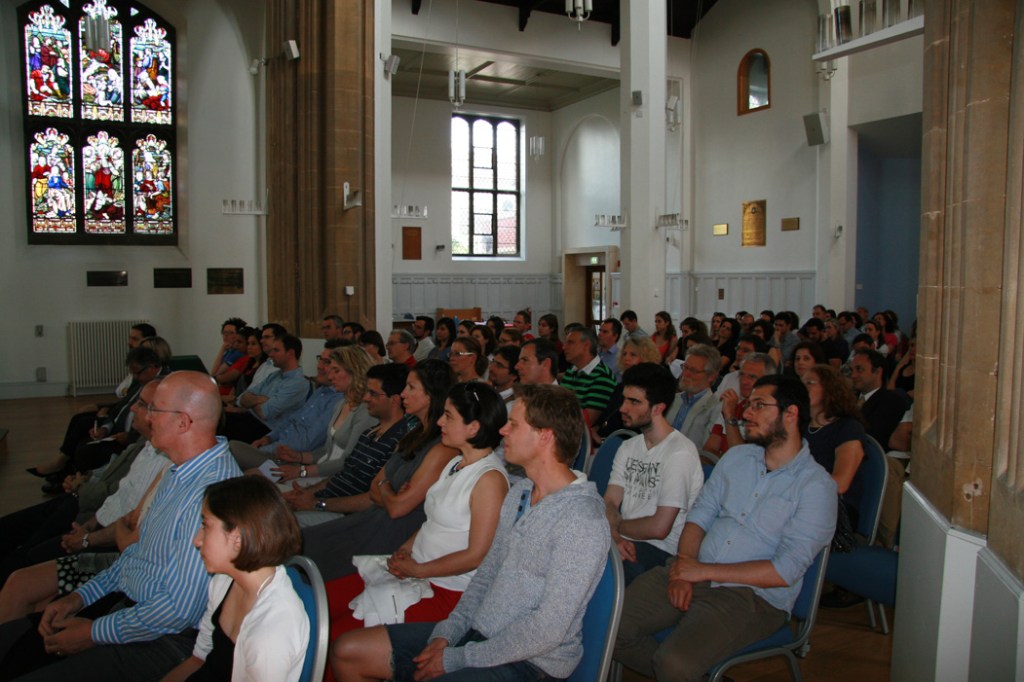
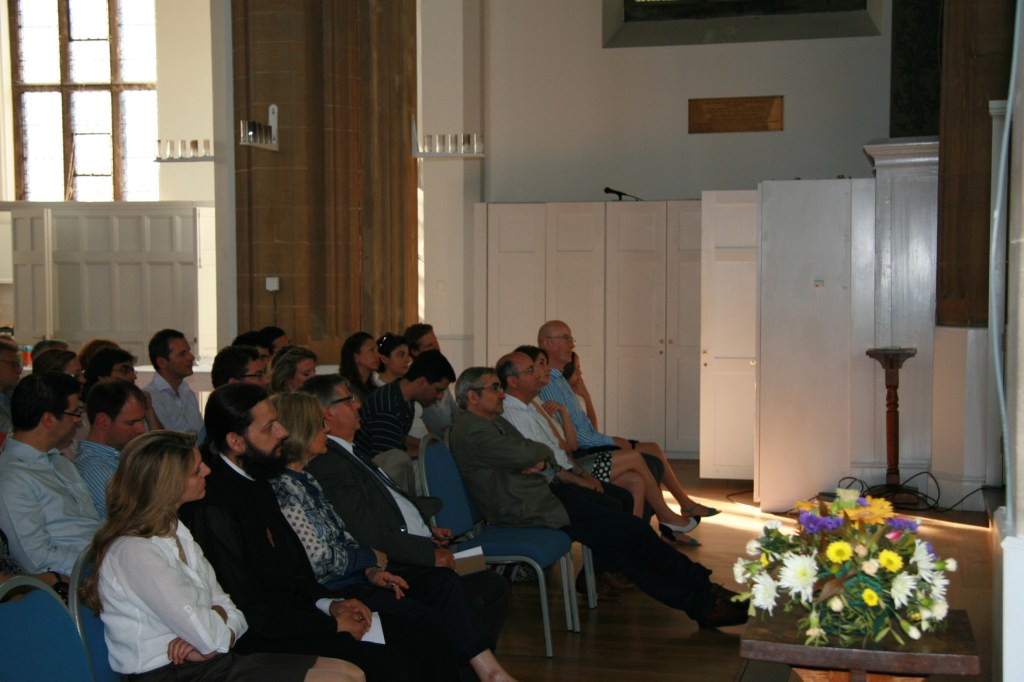
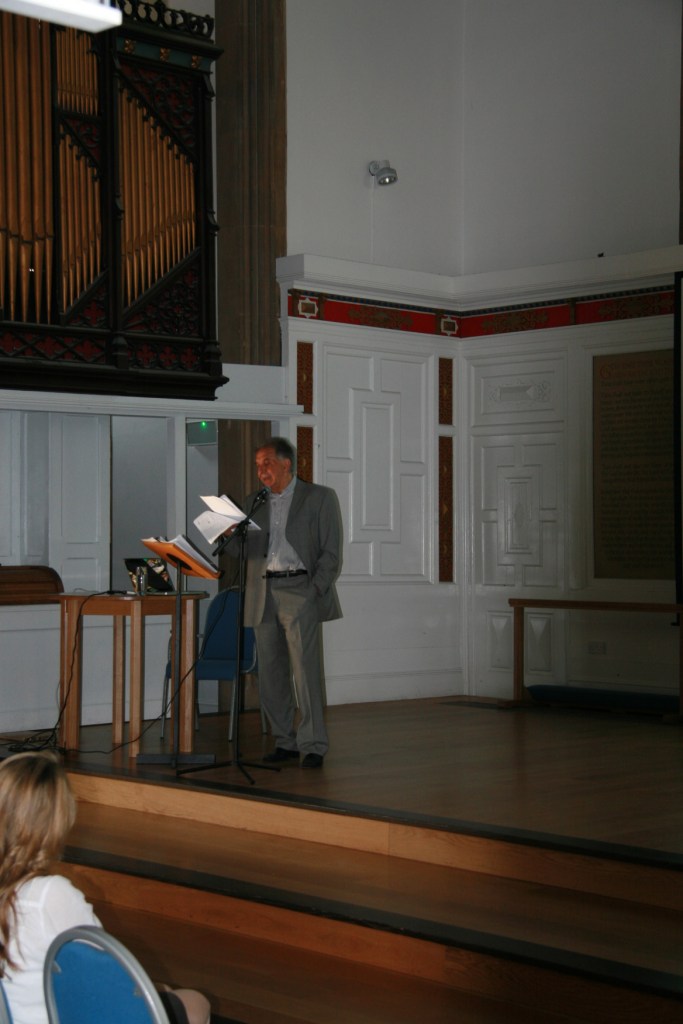
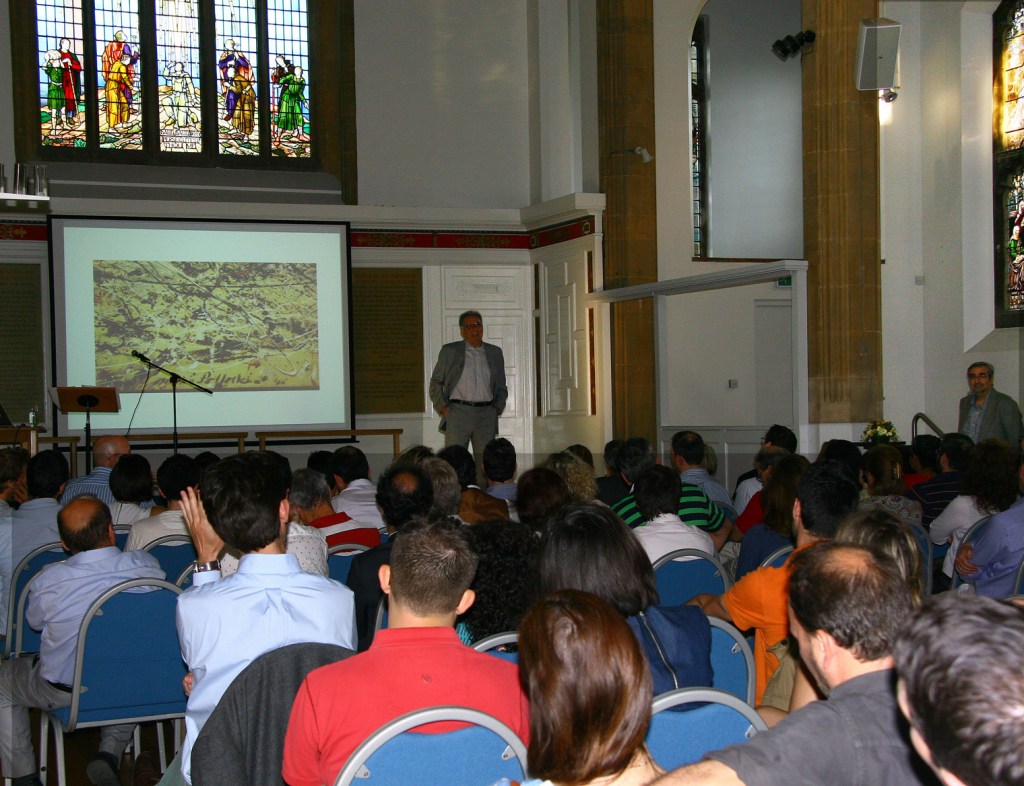
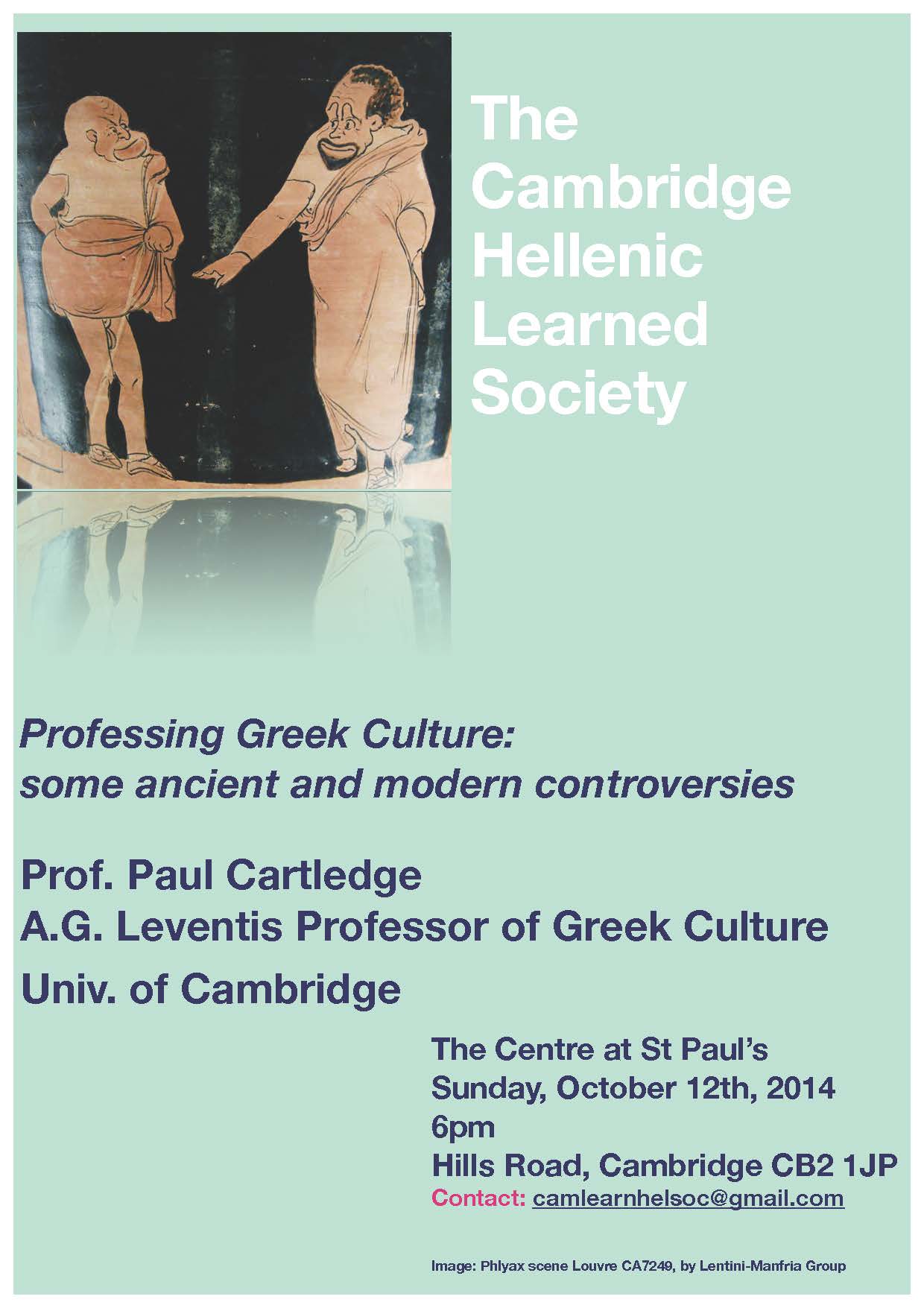
The second event of the Society was held on October 12th 2014 again at the hospitable St Paul’s Centre. The speaker was Prof Paul Cartledge* who is this year retiring from his chair at the University to pick up a new post as a senior research fellow, also in Cambridge. Paul gave us a personal take on his experience over the years as a teacher for a nonspecialist audience of several topics that crop up again and again and relate to Greek scholarship. There was a crèche for younger children, provided by the Society.

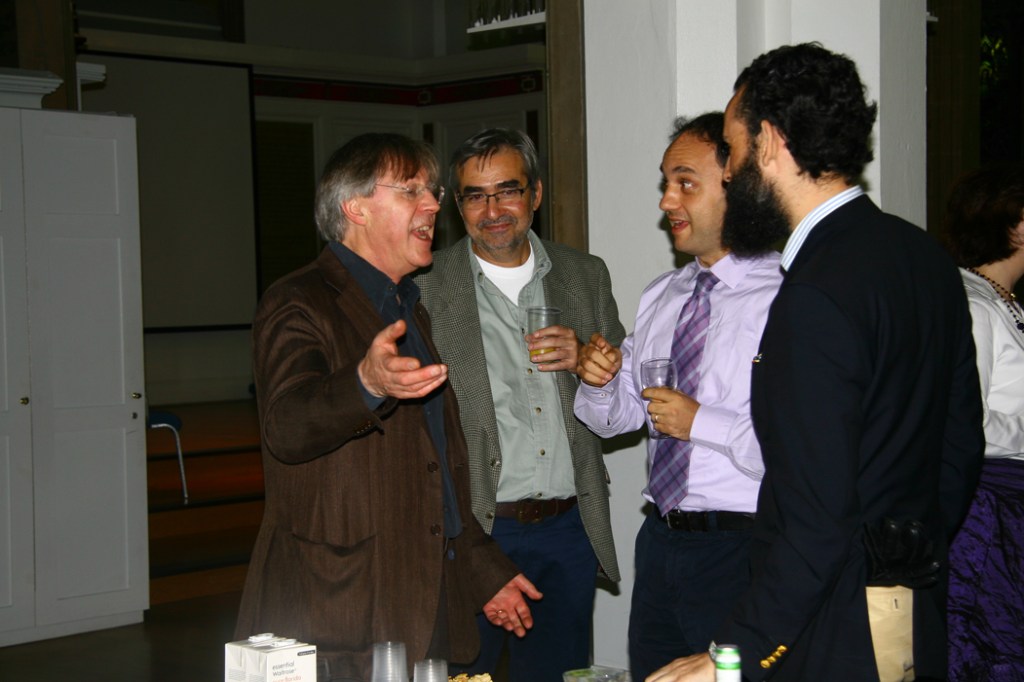


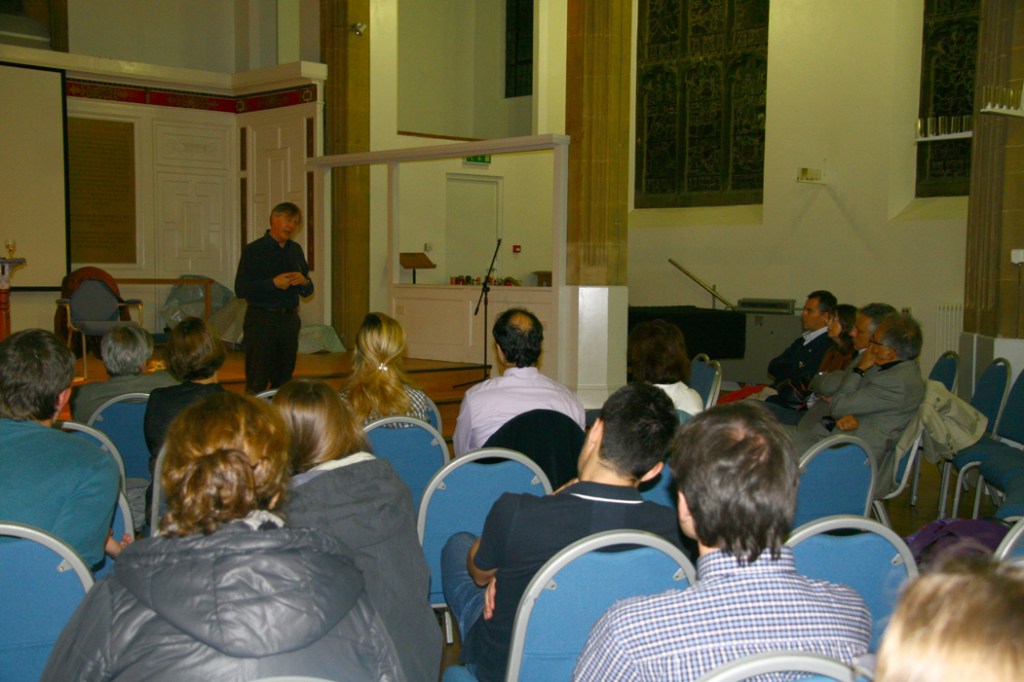


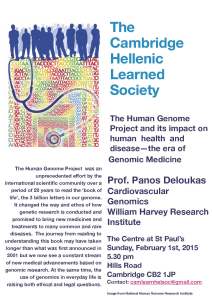
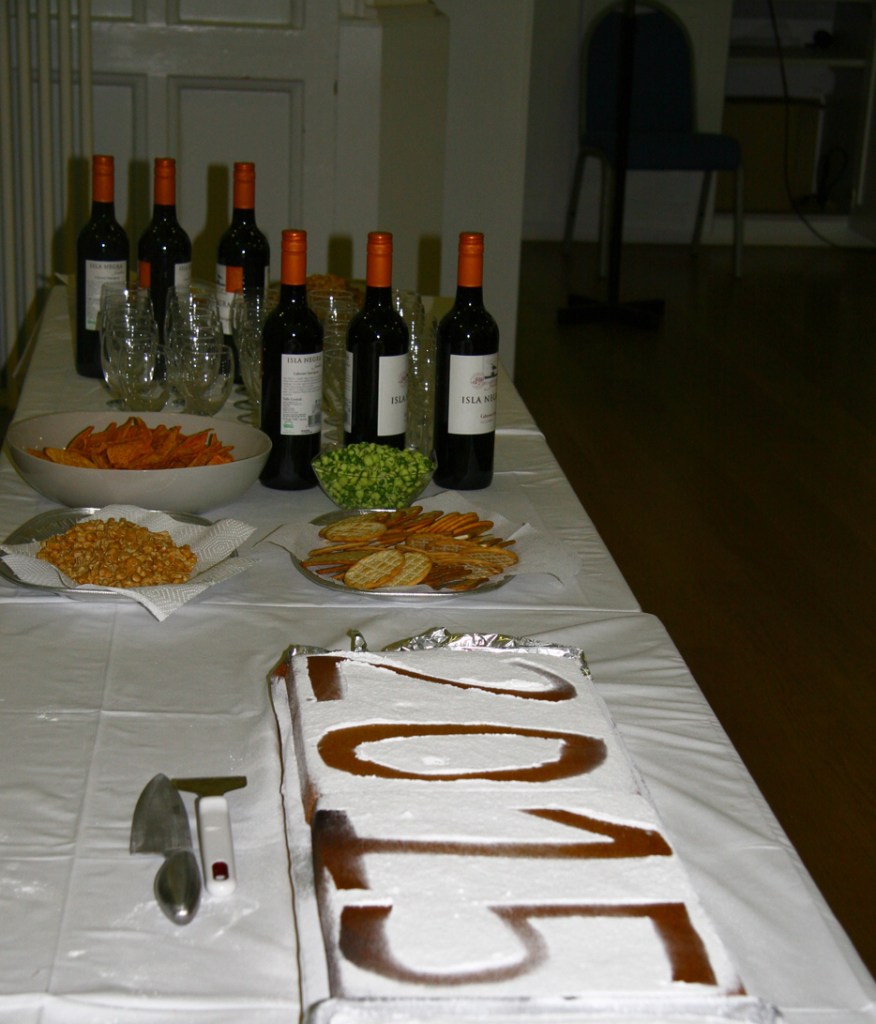
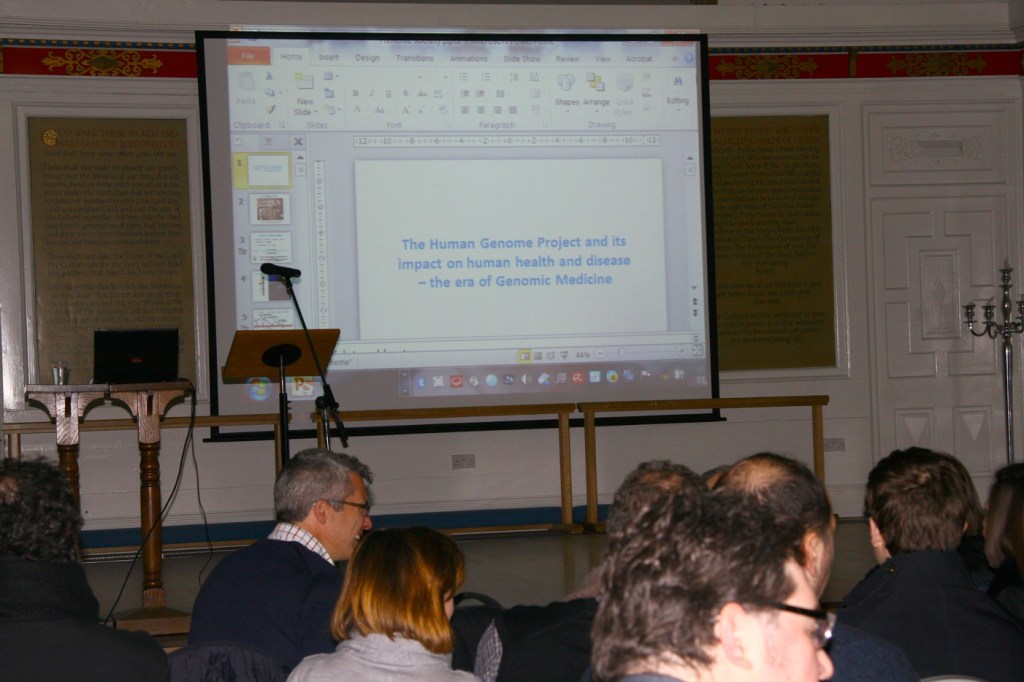
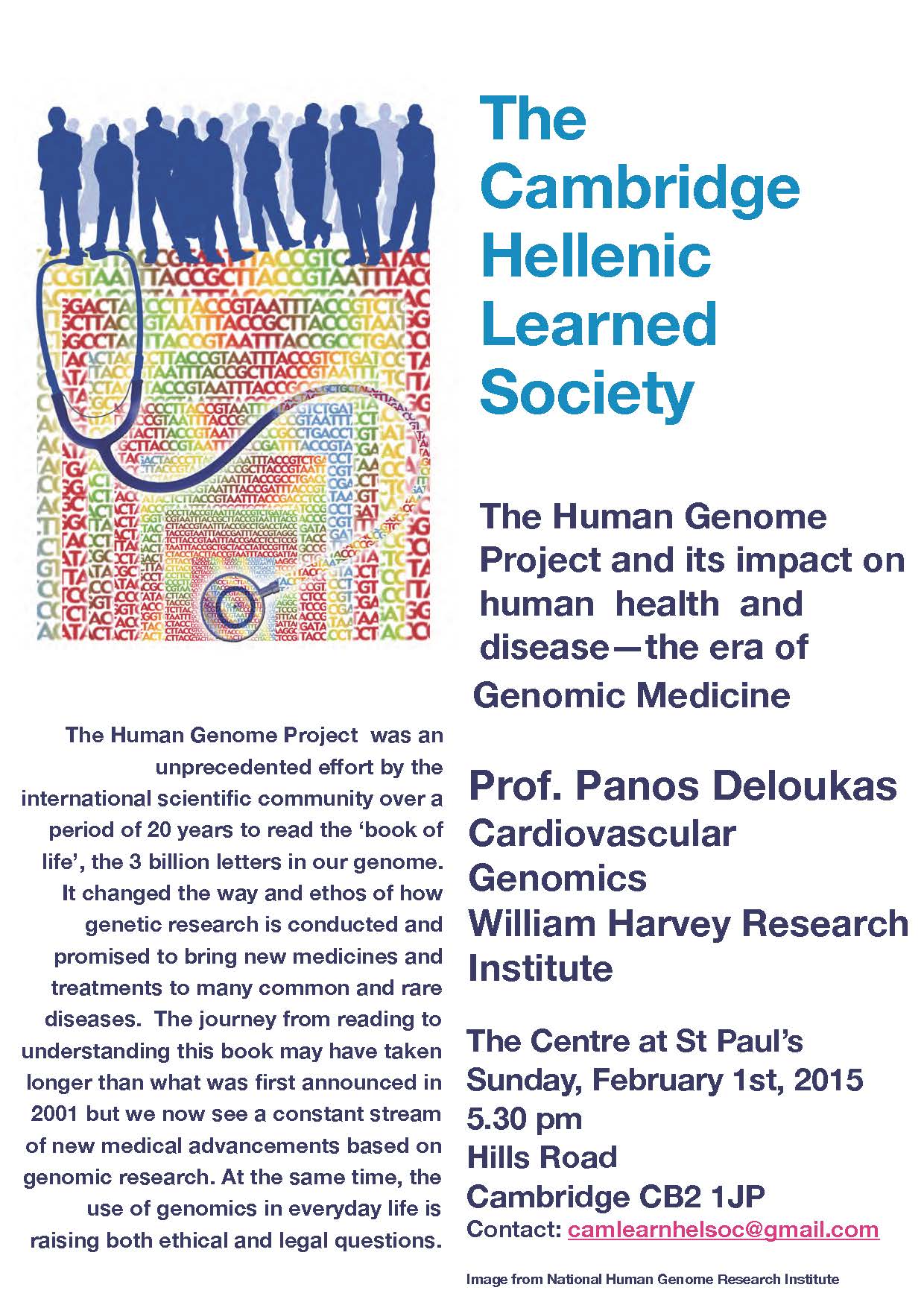
The third event of the Society was held on February 1st 2015 at St Paul’s Centre. The speaker was Prof Panos Deloukas, for many years a group leader at the Sanger Institute* who now holds a chair in Cardiovascular Genomics at the William Harvey Research Institute. The title of the talk was: “The Human Genome Project and its impact on human health and disease – the era of Genomic Medicine”. There was a crèche for younger children, provided by the Society and at the end of the talk we cut the vasilopita.
* https://www.sanger.ac.uk/research/faculty/pdeloukas/


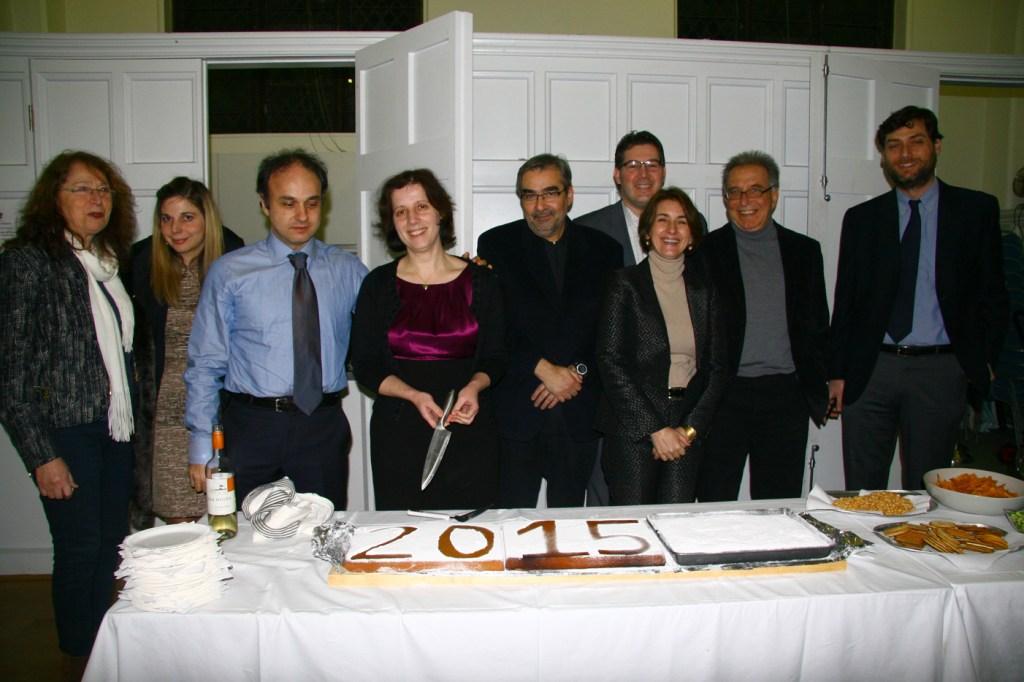
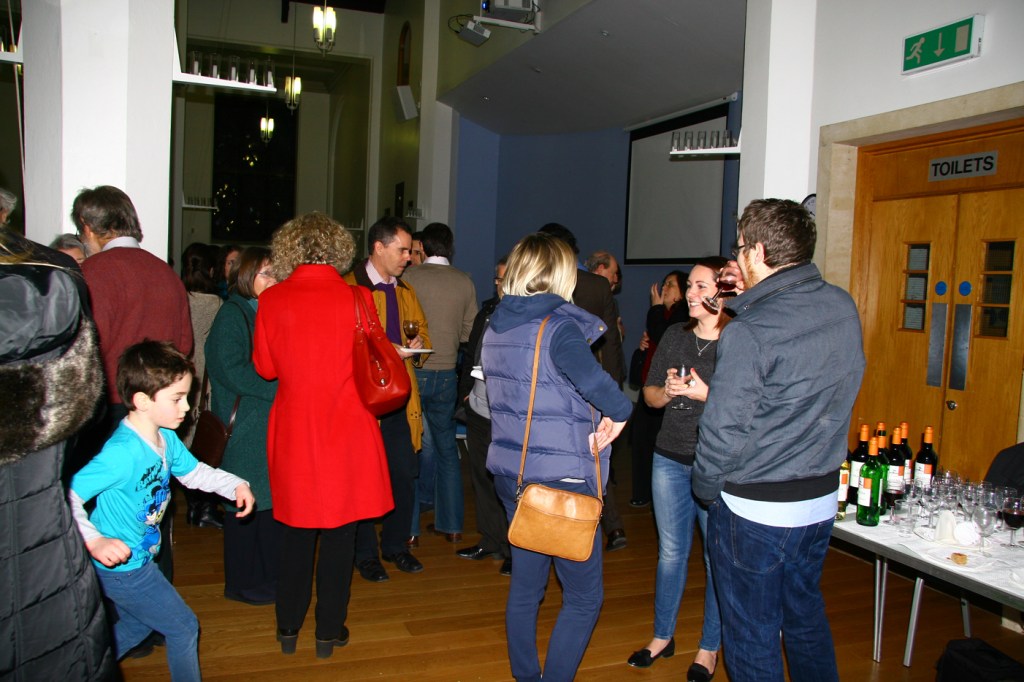
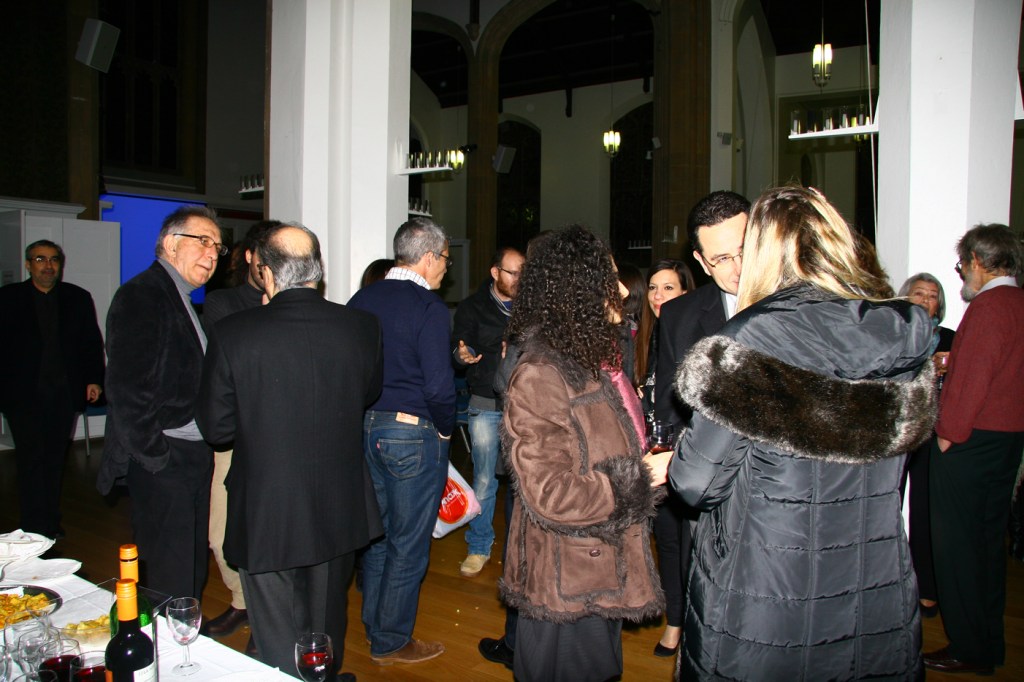
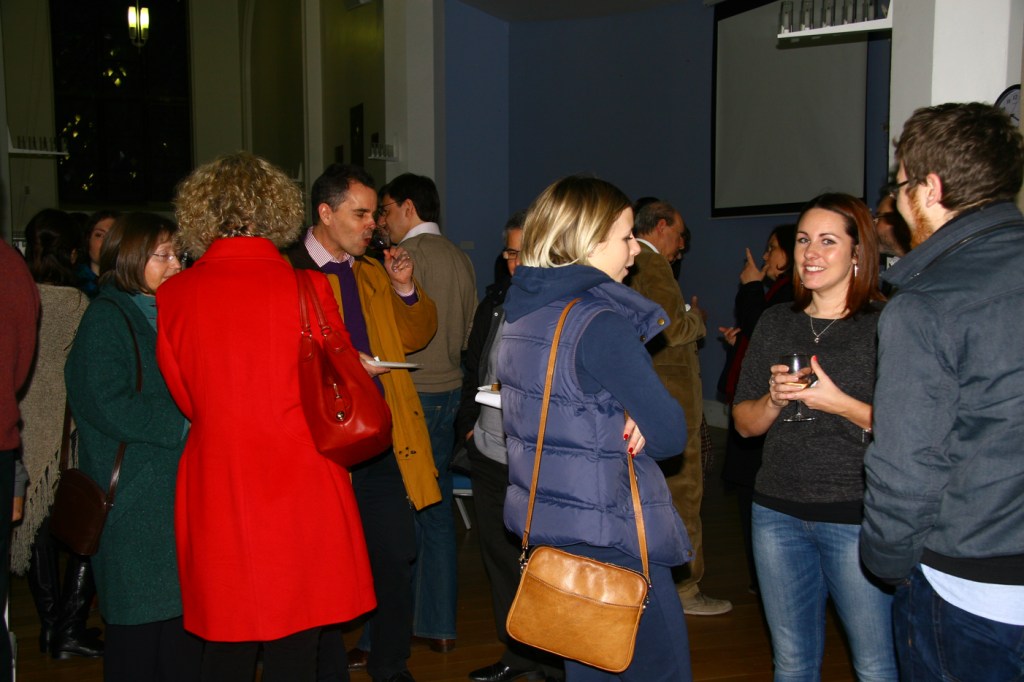
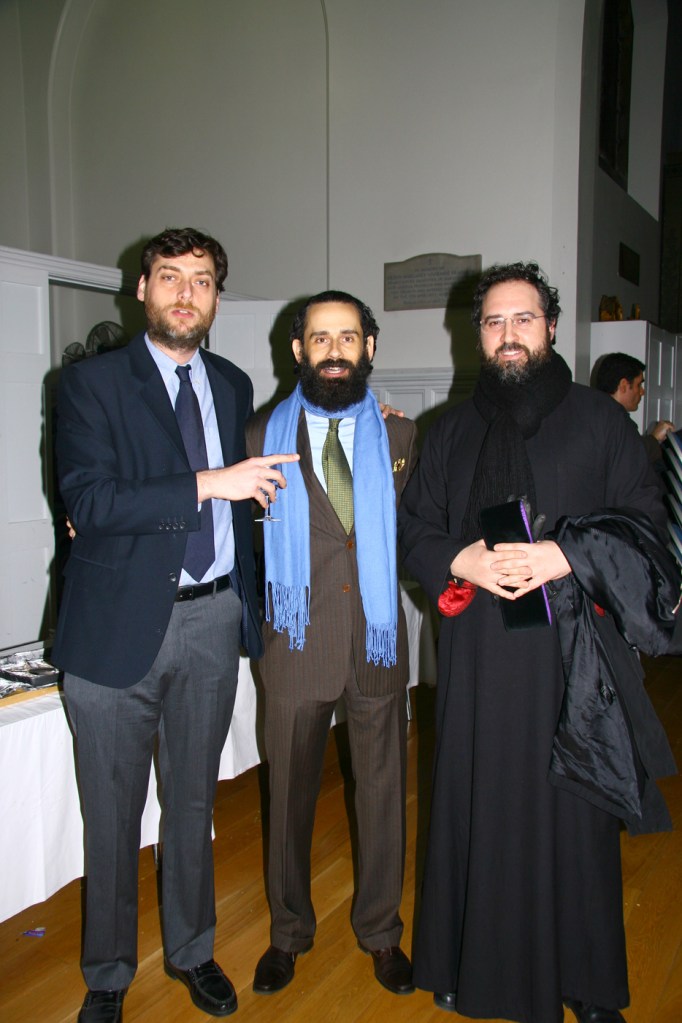

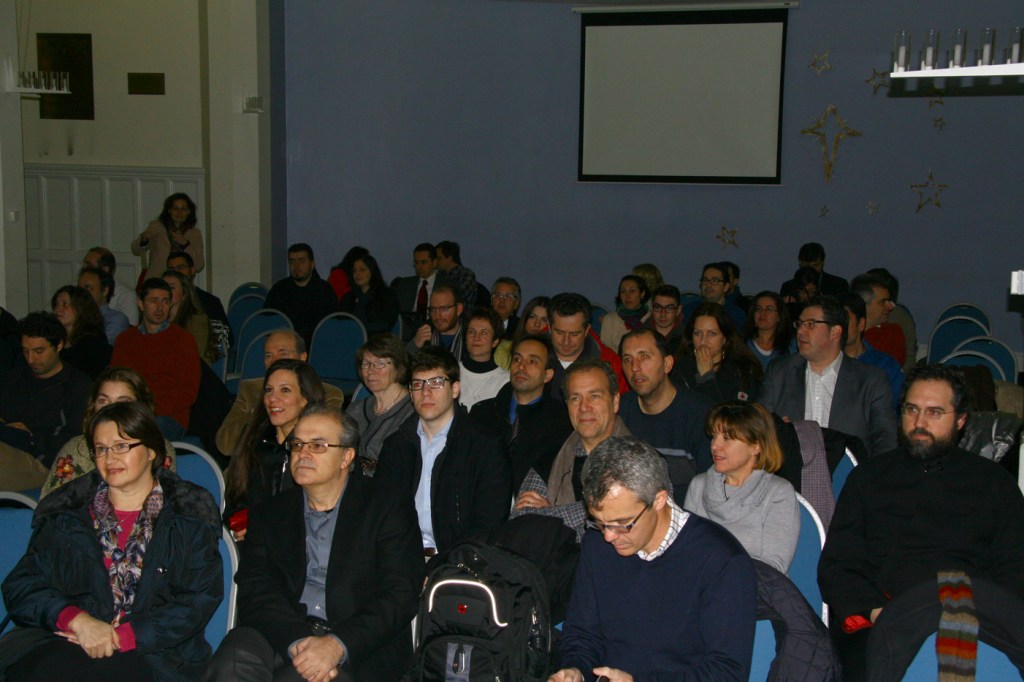
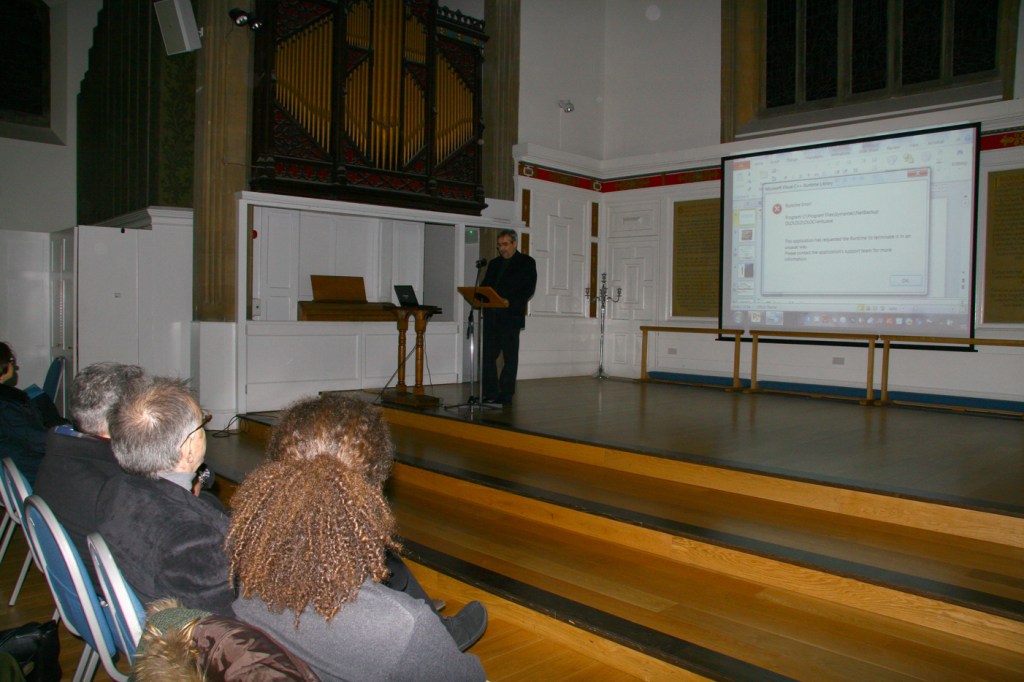
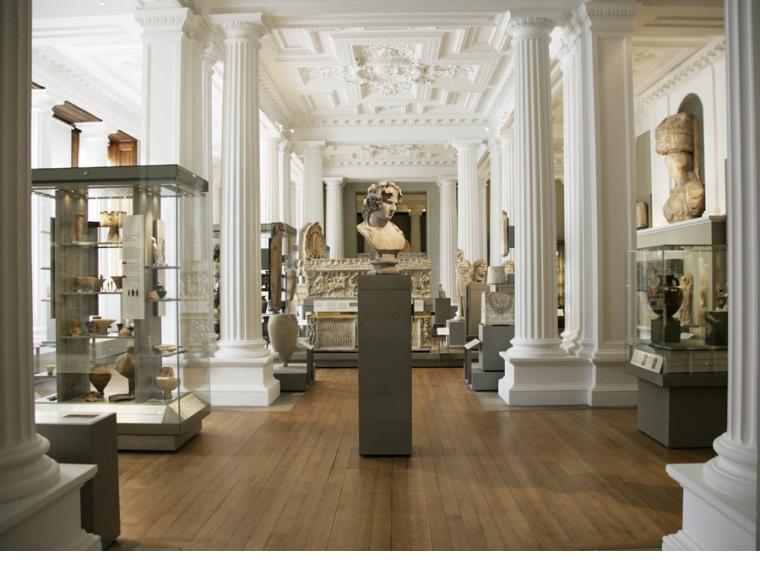
The fourth event of the society was held on February 17th 2015 and was a visit to the antiquities section of the Fitzwilliam museum*. A guided tour was conducted by our trustee Anastasia Christophilopoulou who works at the museum. This event was attended by 13 people (adults and children) and if interest is there we intend to repeat it in the future.
* http://www.fitzmuseum.cam.ac.uk/dept/ant/cyprus/
*http://www.fitzmuseum.cam.ac.uk/dept/ant/greeceandrome/

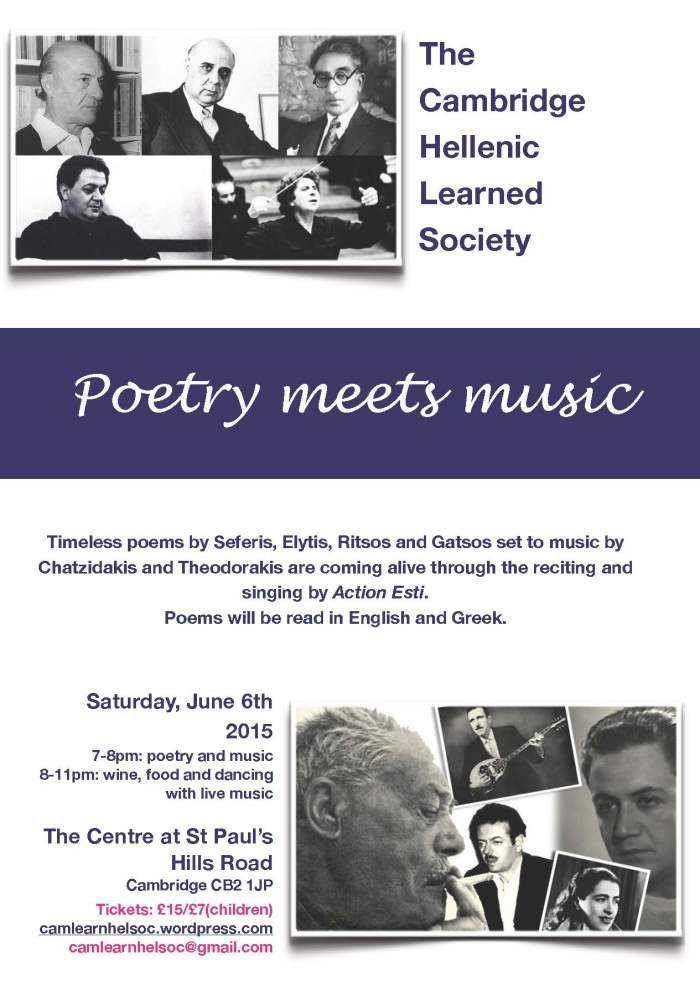
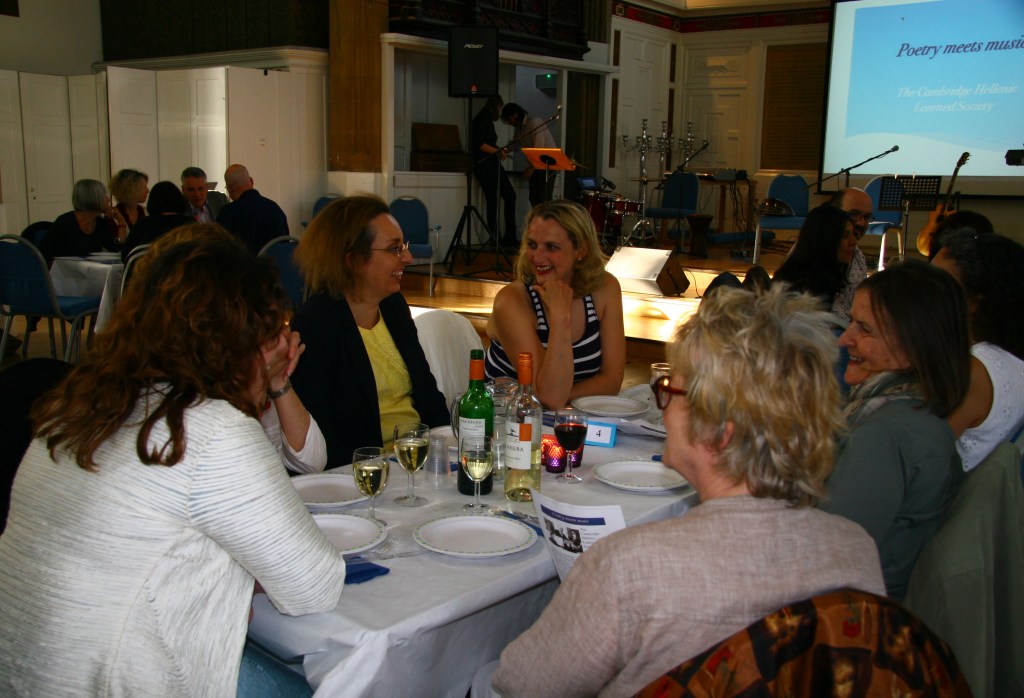
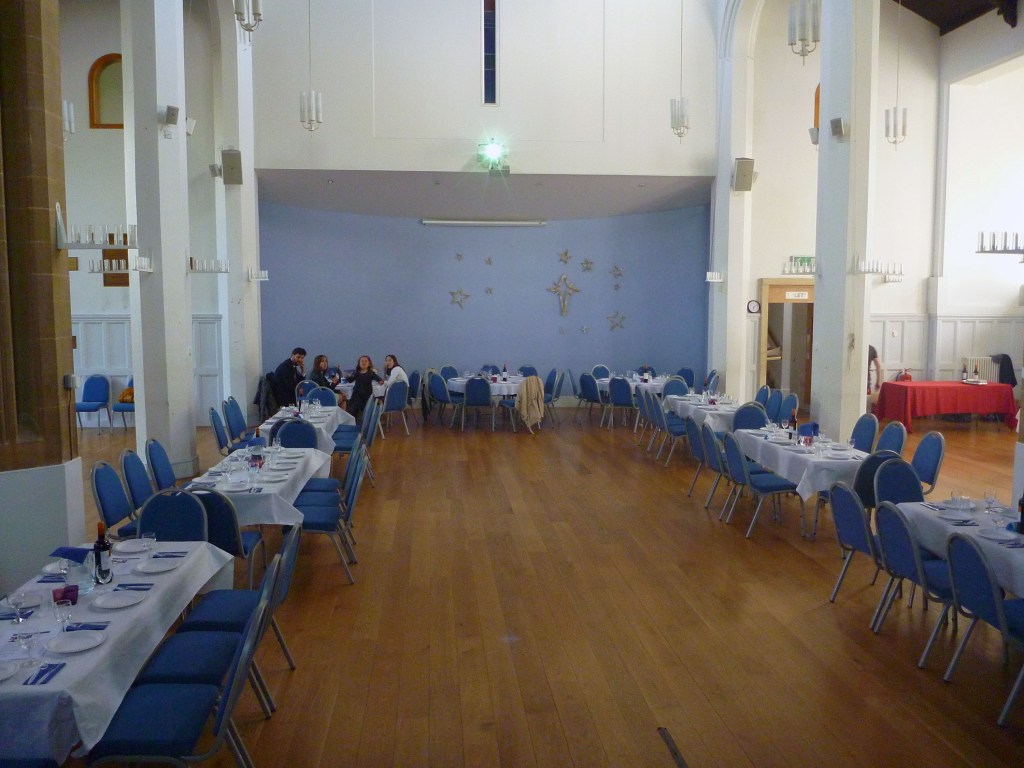
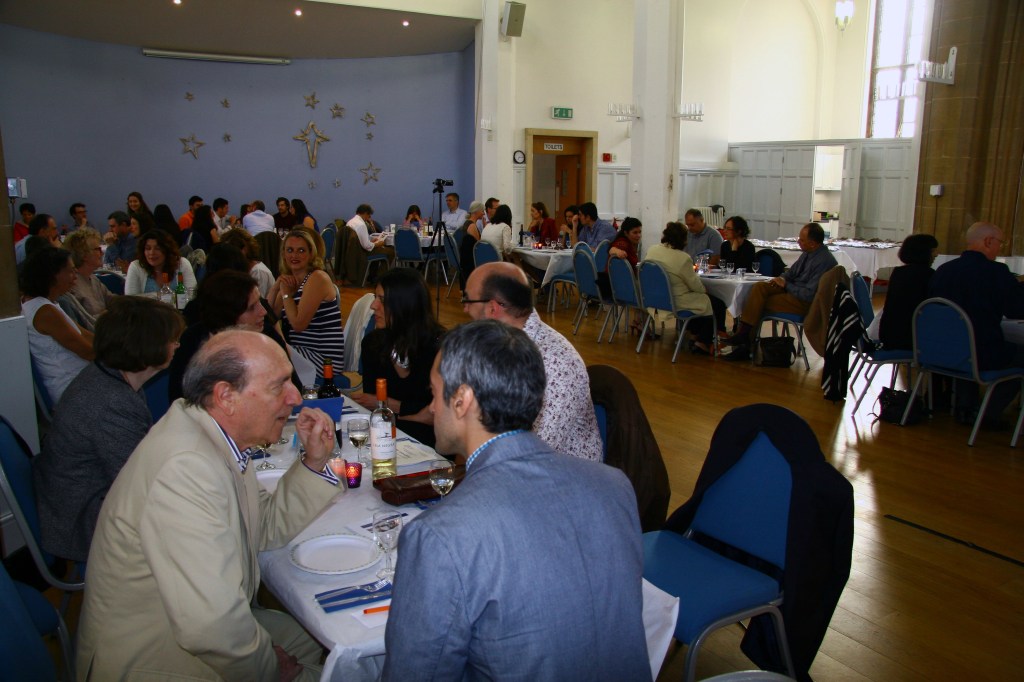
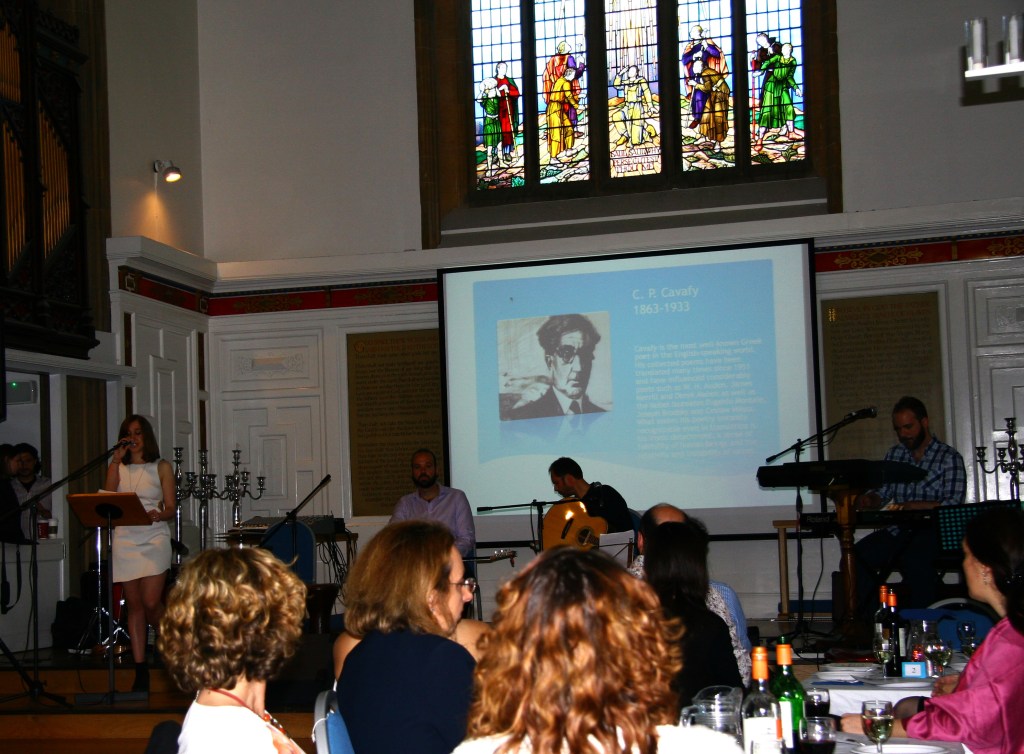
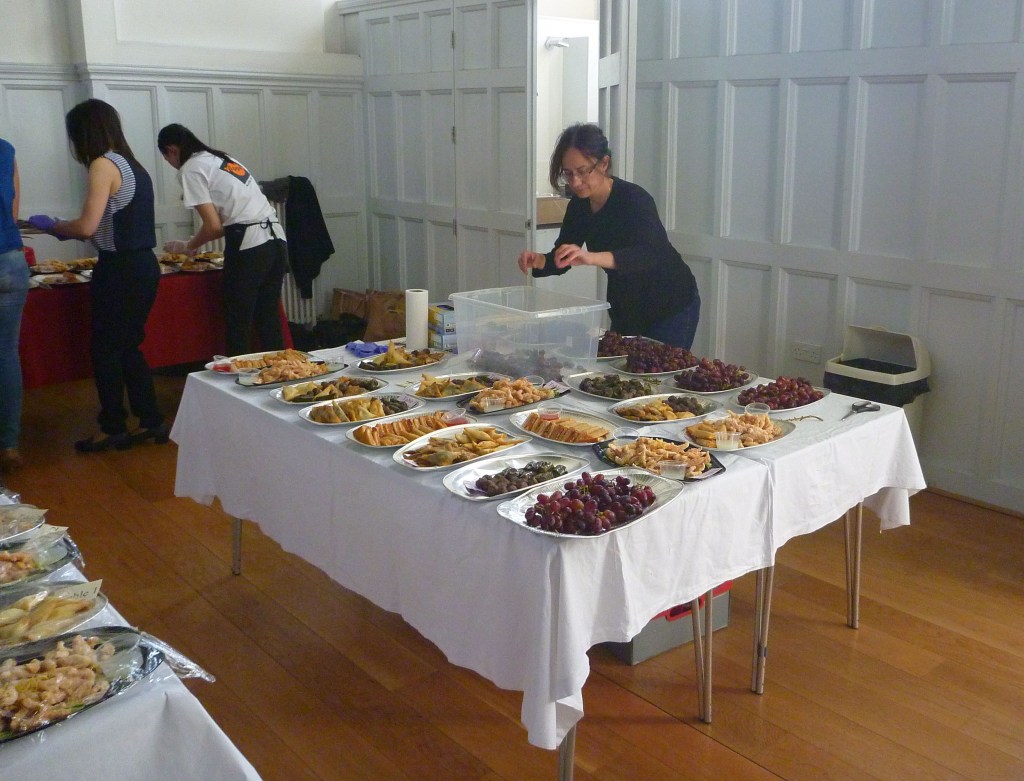
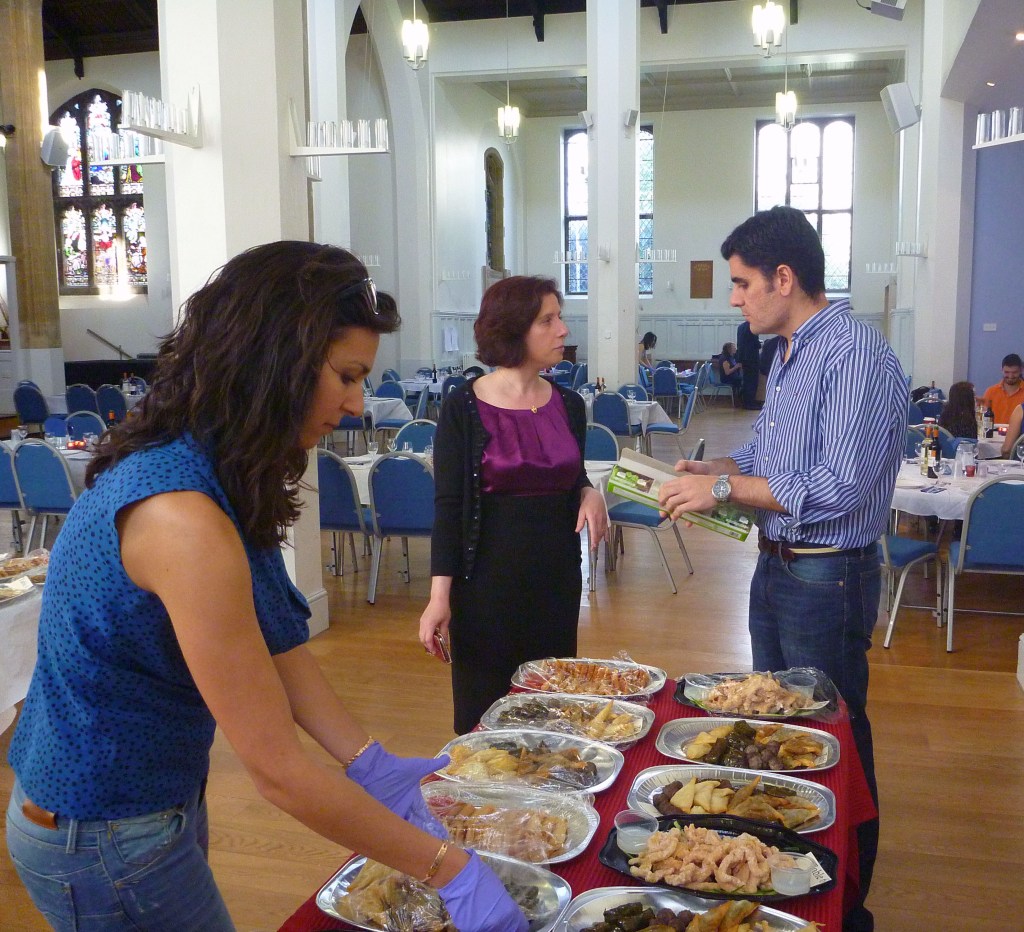
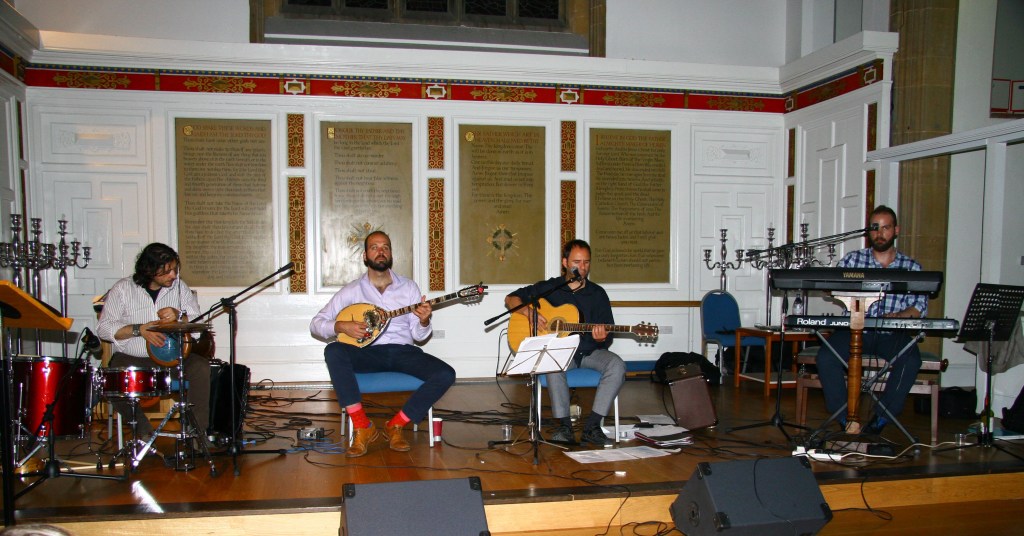
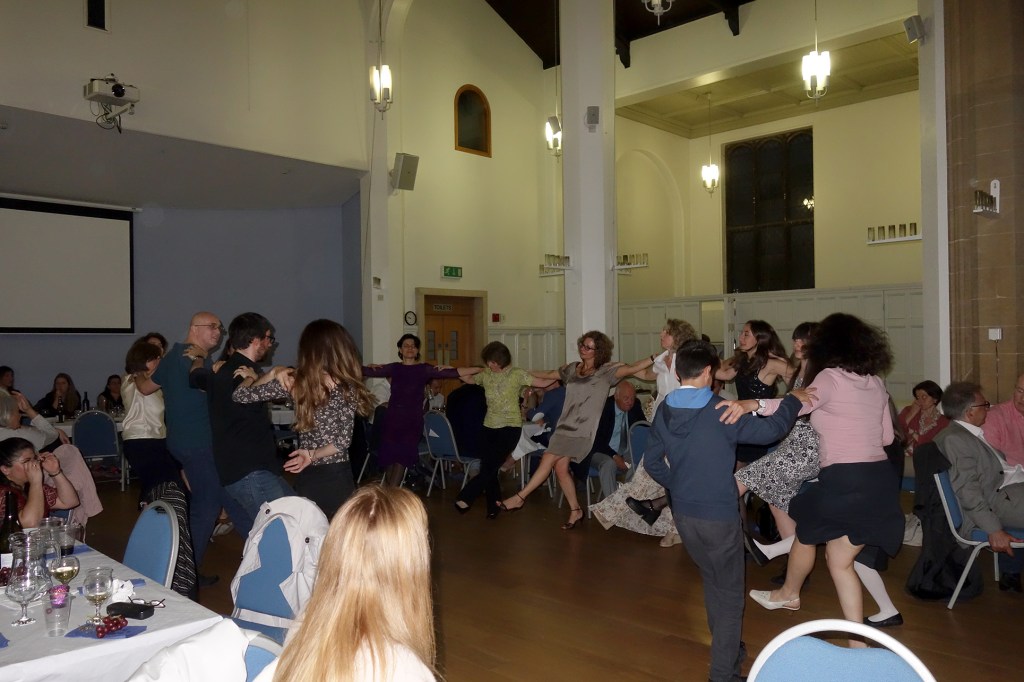
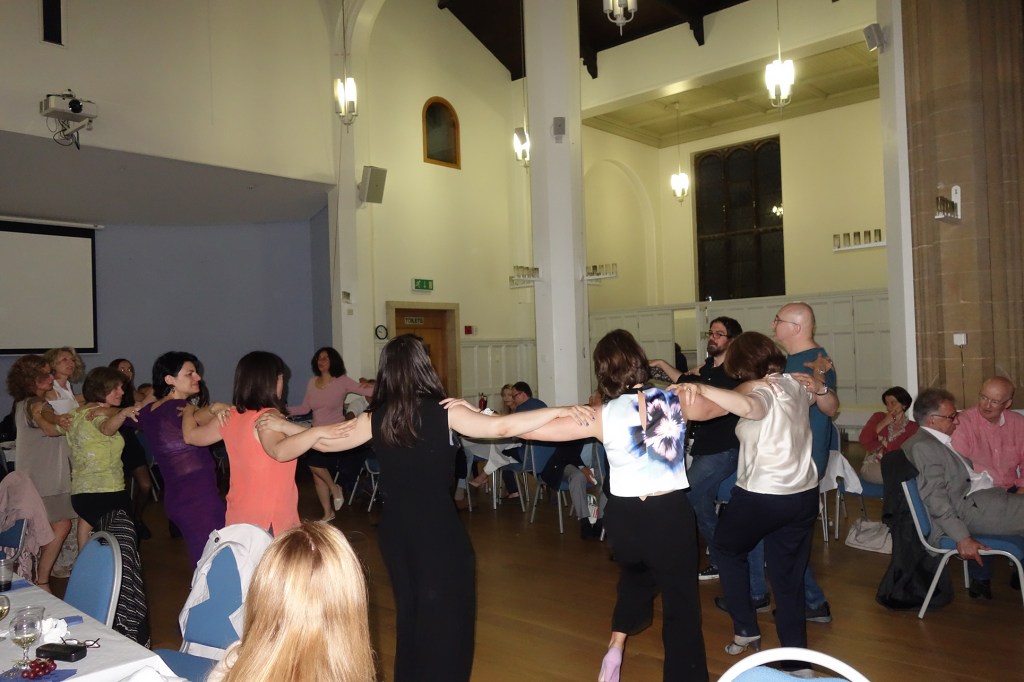
The fifth event of the Society was held on June 6th 2015 at St Paul’s Centre and it was a combination poetry reading and social get together. The first part of the programme was the recitation of poems by Elytis, Seferis, Gkatsos, Kavafis that have been set to music by Theodorakis, Chatzidakis, Moutsis and others followed by the singing of these songs by the band. The second part of the event was a regular taverna-style food and dance. We were told at the end by the experienced band that they had never seen so much kefi from start to finish… Food included Greek savouries offered at a discount by the Olive Grove Greek restaurant and Chinese nibbles offered at a discount by the Yippee Noodle Bar. We are grateful to the proprietors of both restaurants. The children were offered pizzas. We had a total of 120 people at this event and it was a great opportunity to get to know each other better.

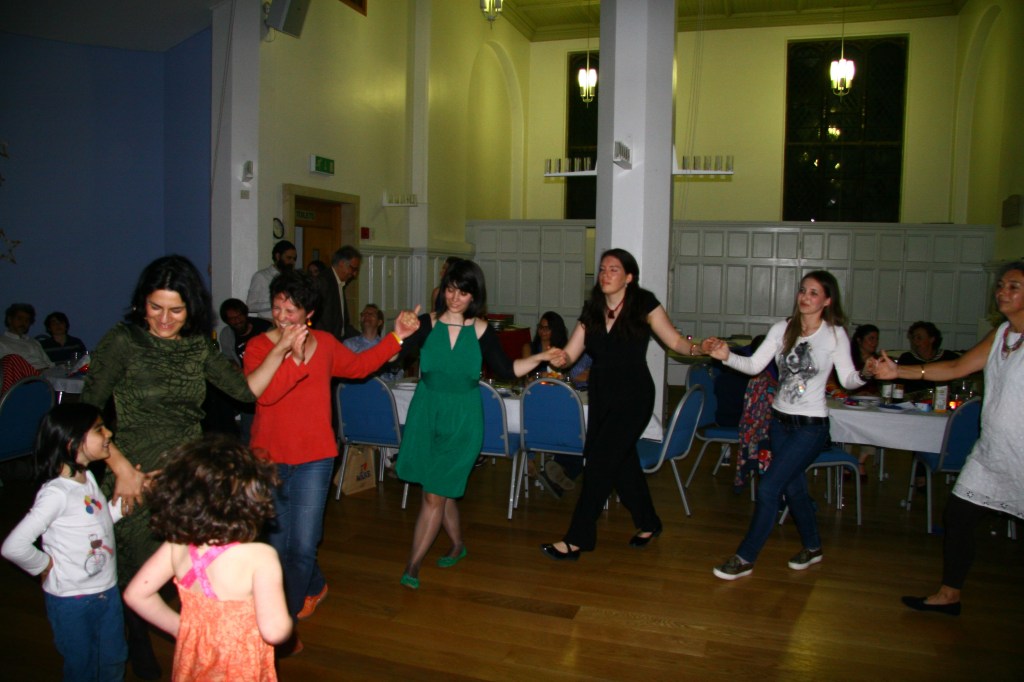
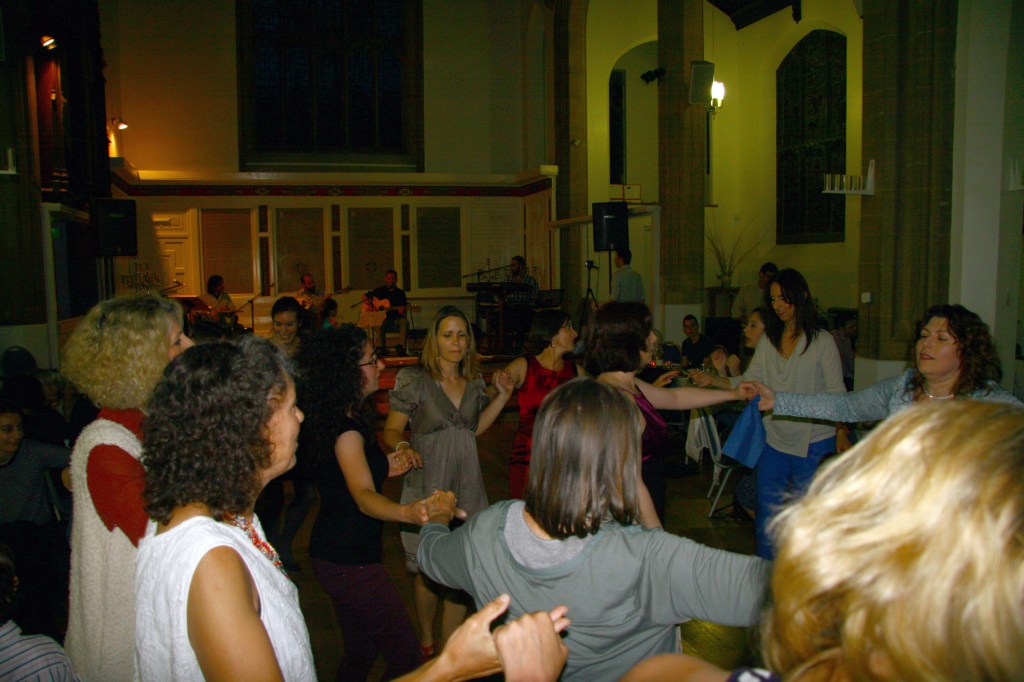
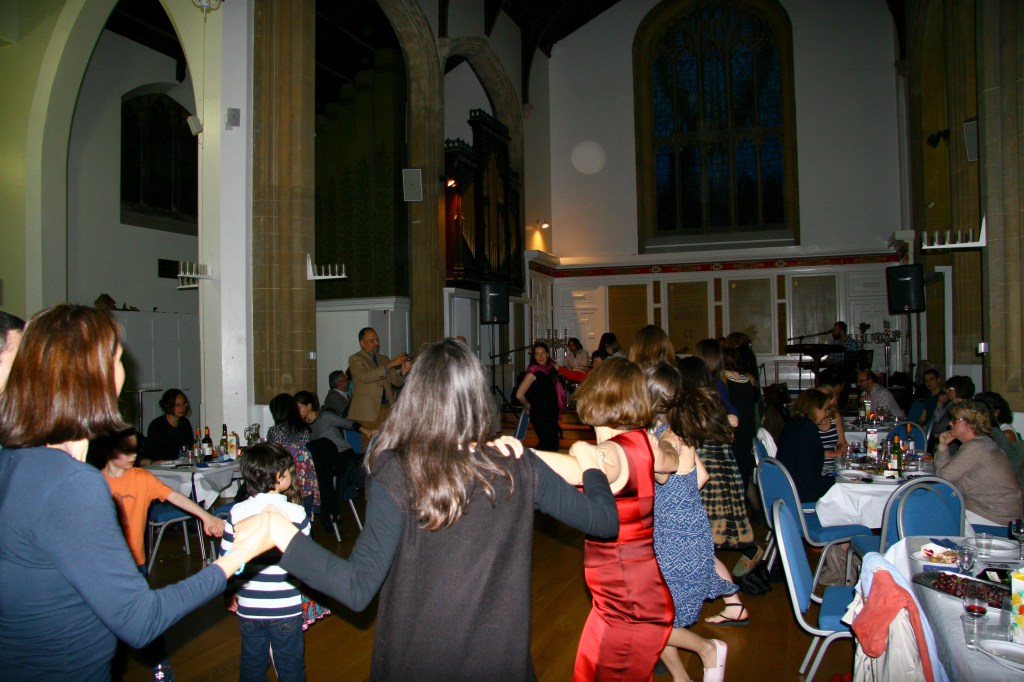


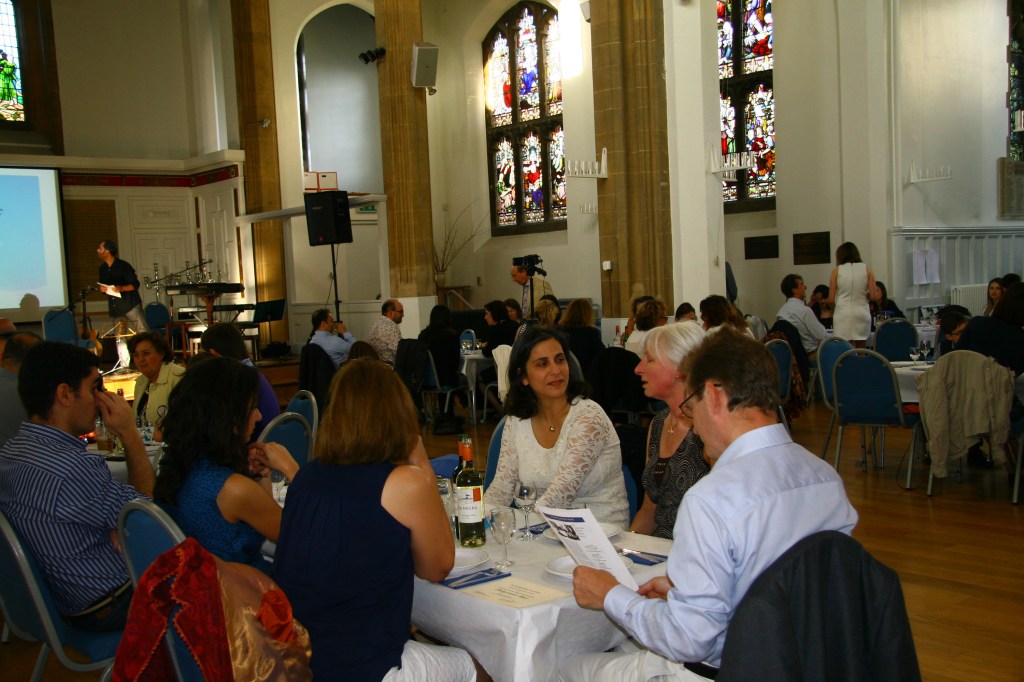
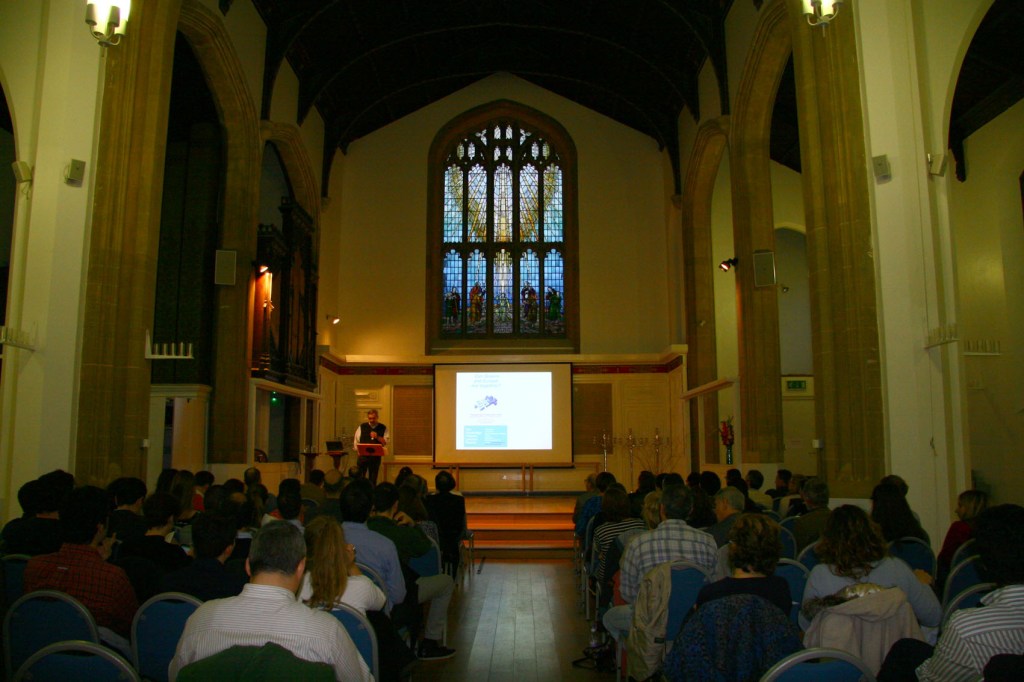
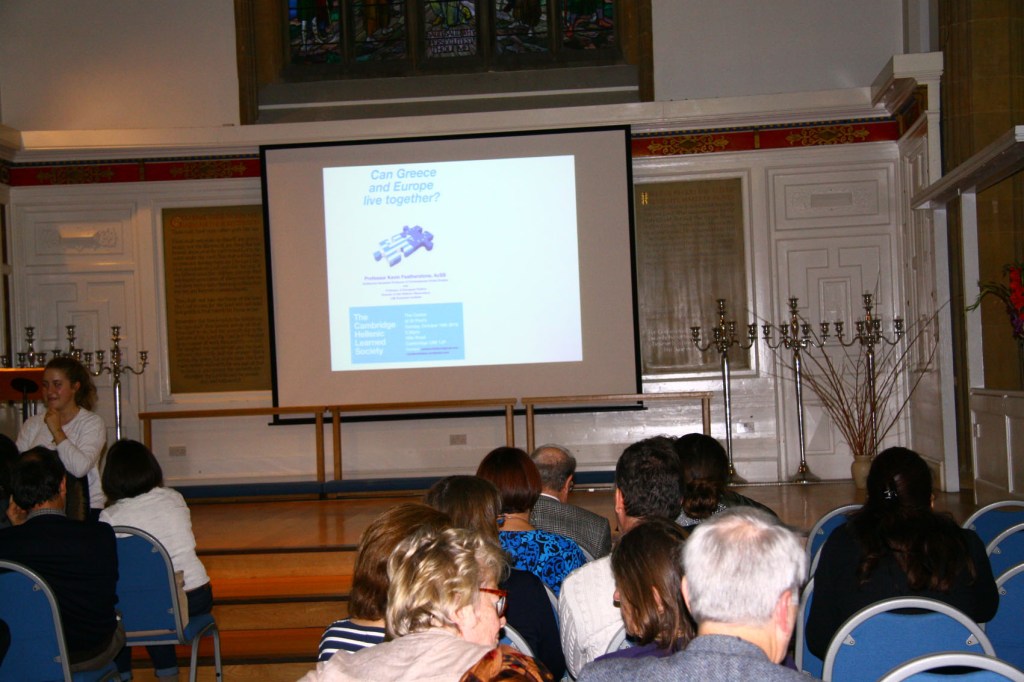
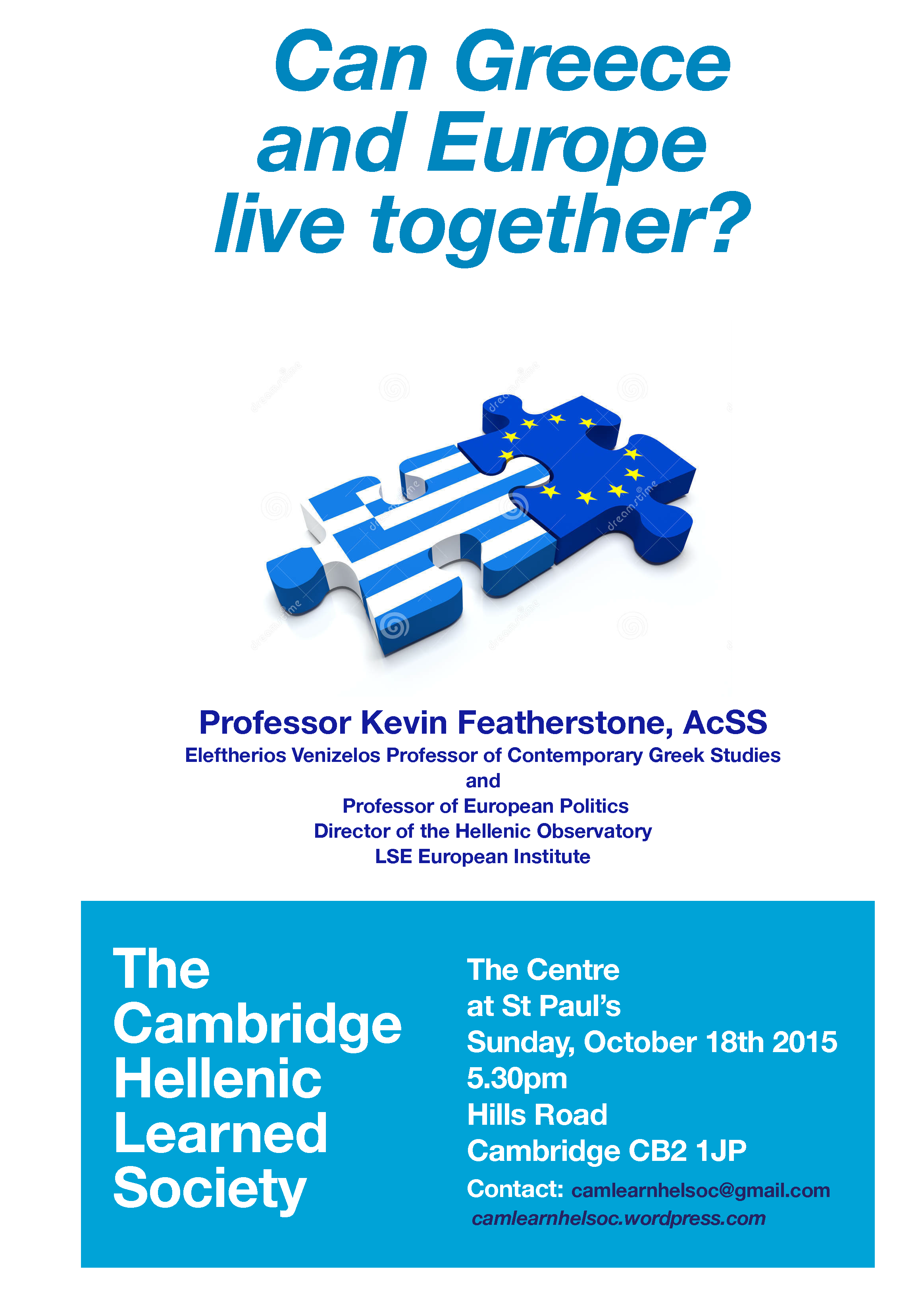
The sixth event of the Society was held on October 18th at St Paul’s Centre. The speaker was Professor Kevin Featherstone, the Eleftherios Venizelos chair of Contemporary Greek Studies at the London School of Economics where he is also the Director of the Hellenic Observatory.* The title of the talk was “Can Greece and Europe live together” which as can be expected precipitated a lively discussion that went on until Kevin had to depart. There was, as always, a crèche for young children free of charge, as well as wine and nibbles supported by the membership fee of our Society.
*http://www.lse.ac.uk/europeanInstitute/staff/academicStaff/featherstone/home.aspx


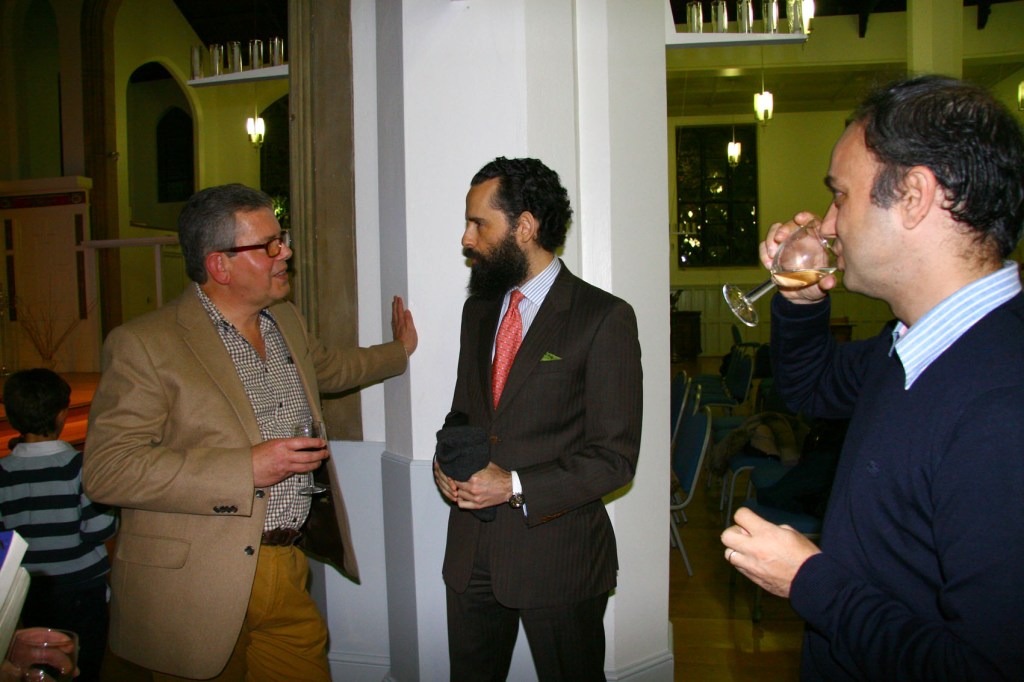

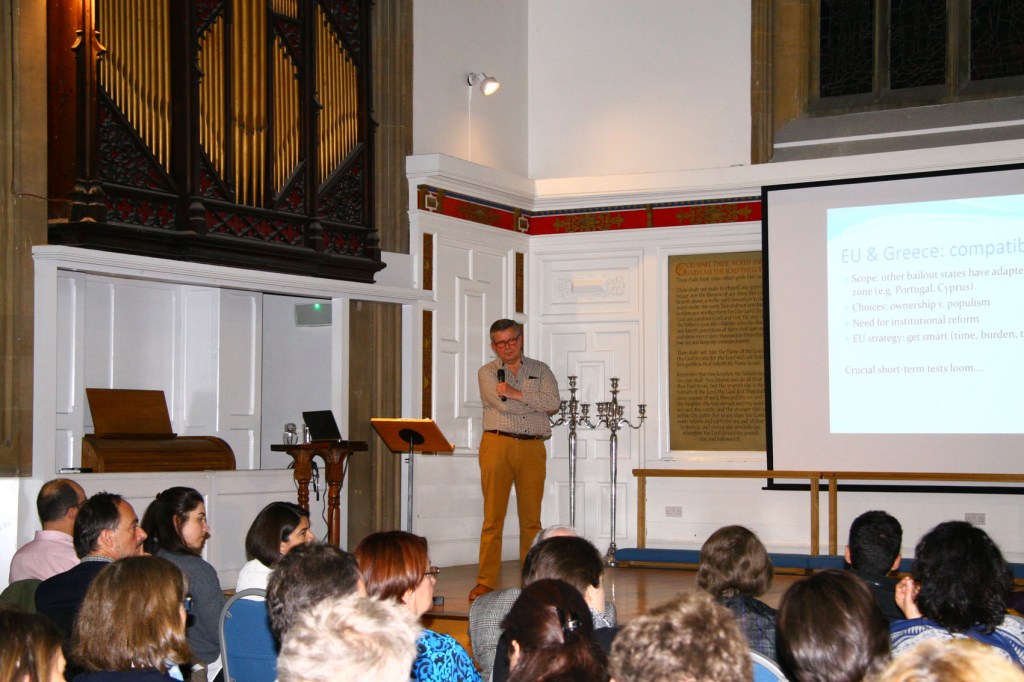
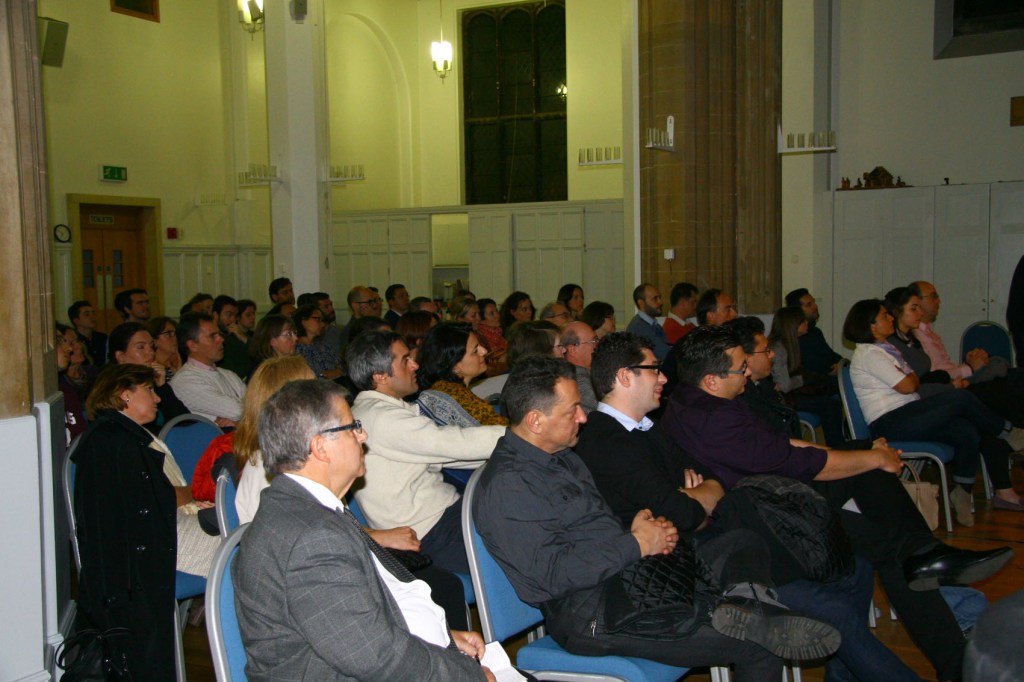
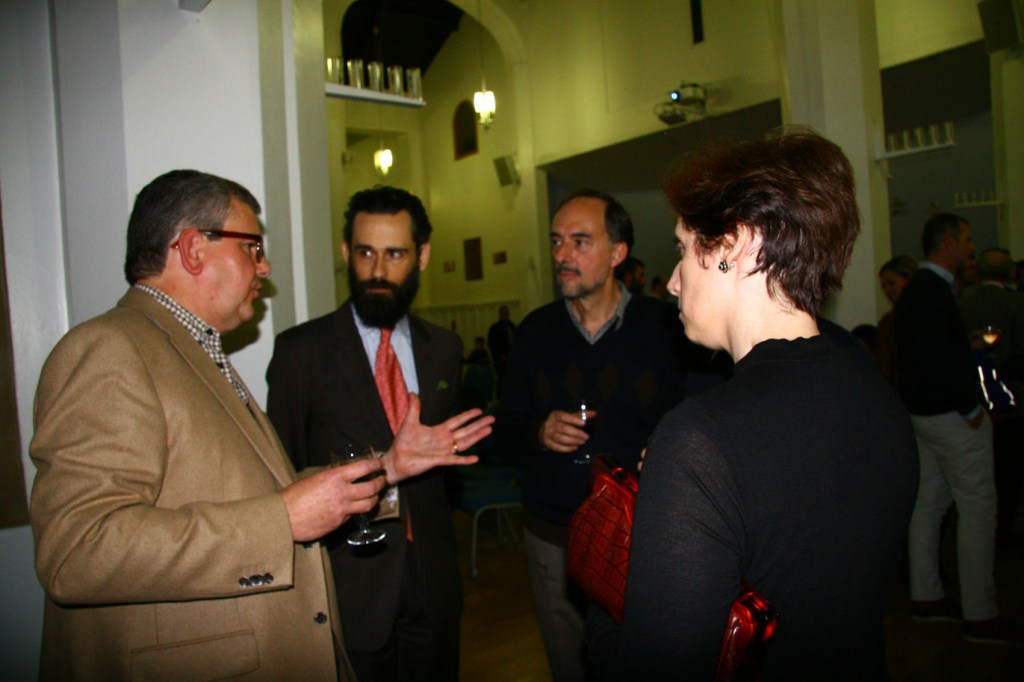
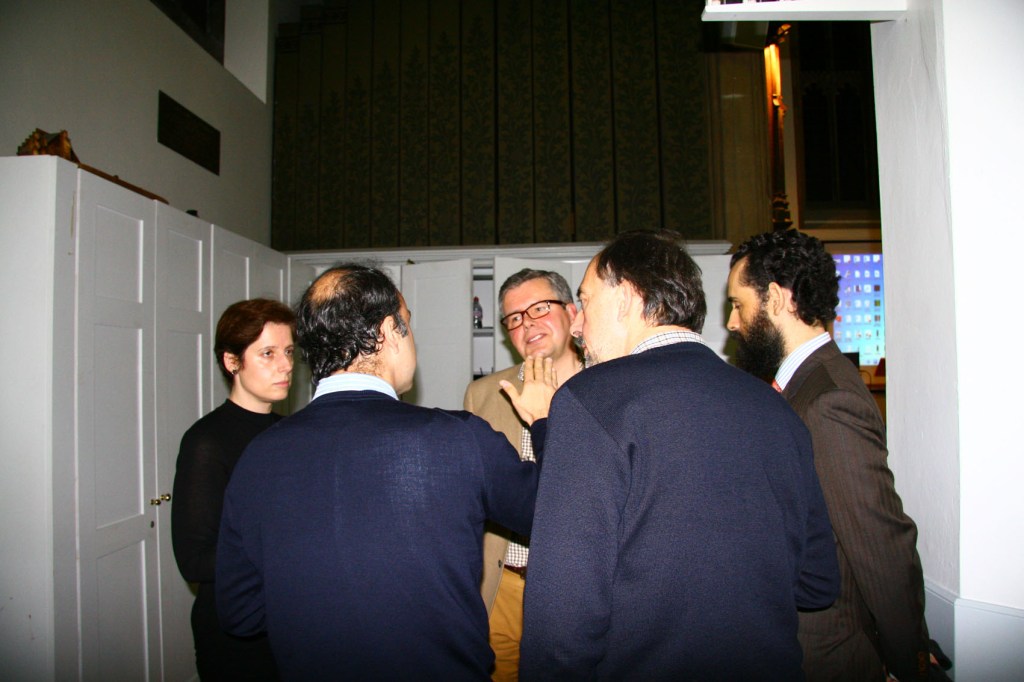

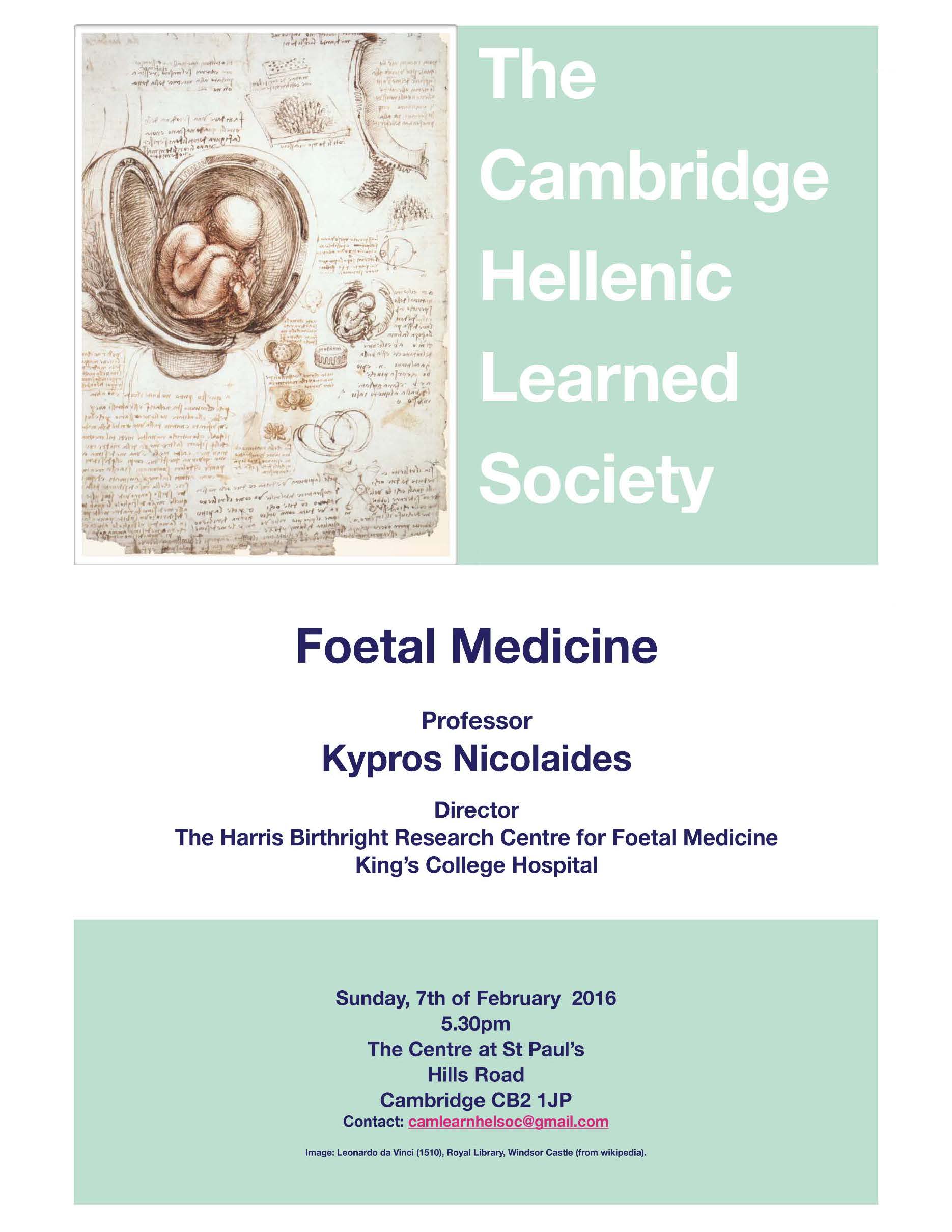
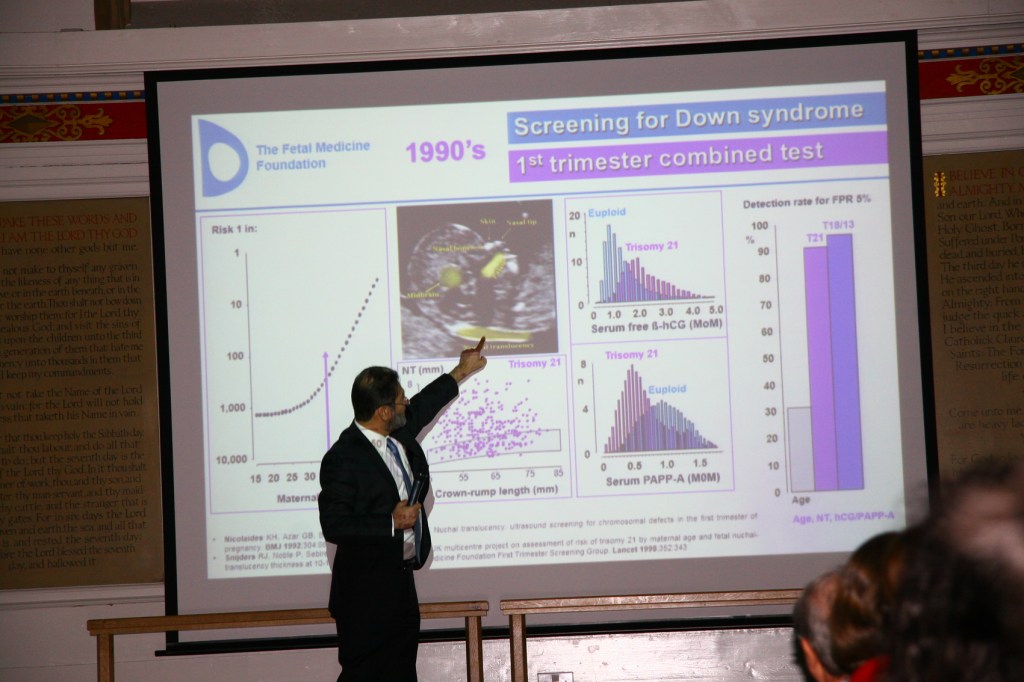
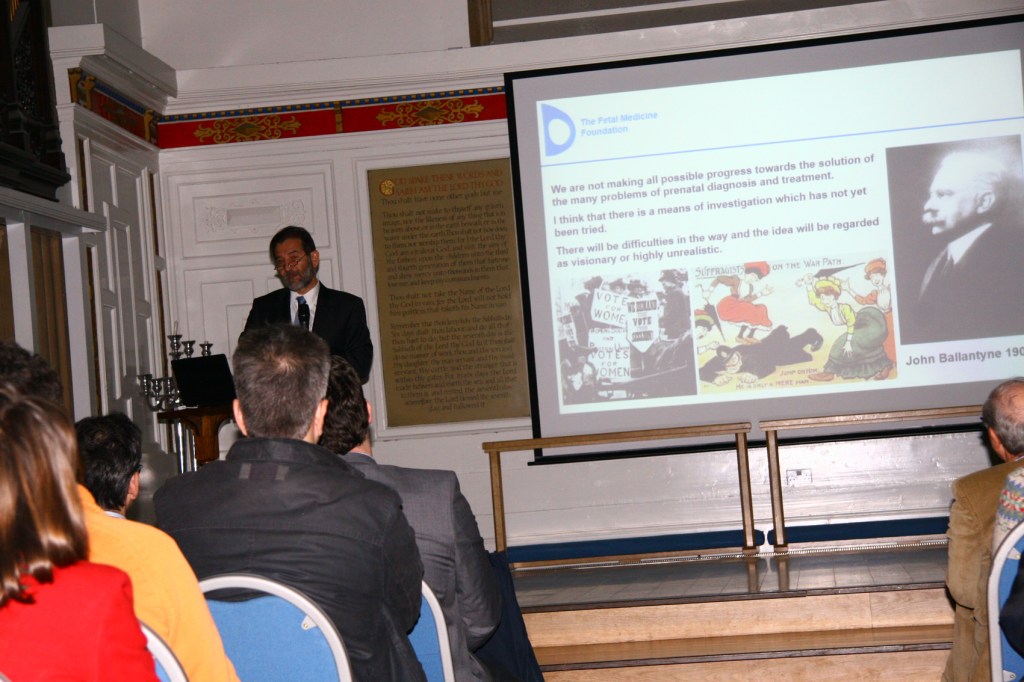
The seventh event of the society was held on Sunday February 7th 2016 at St Paul’s Centre. The speaker was Professor Kypros Nicolaides* one of the top physicians working in Foetal Medicine world-wide. His talk covered a historical review of the discovery and diagnosis of Down’s Syndrome, including significant contributions made by his own research team.
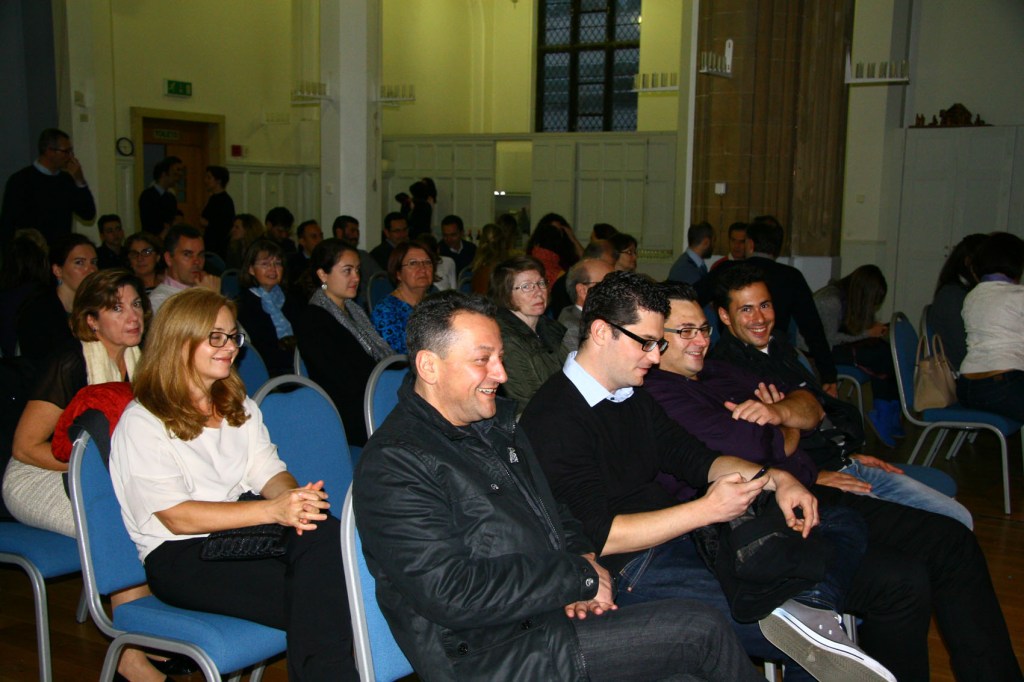
At the end of the event, which was very well attended, we cut the Vasilopita of the Society. In addition, there was a crèche free of charge and attended by over 20 children as well as wine and nibbles supported by the membership fee of our society.
*http://www.fetalmedicine.com/
https://en.wikipedia.org/wiki/Kypros_Nicolaides
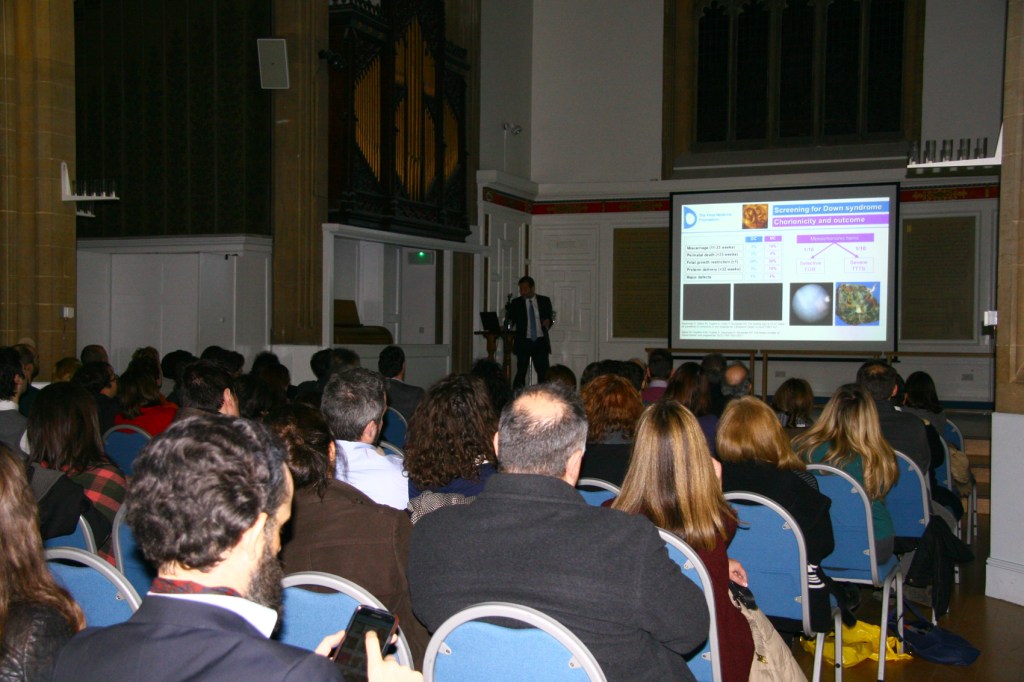

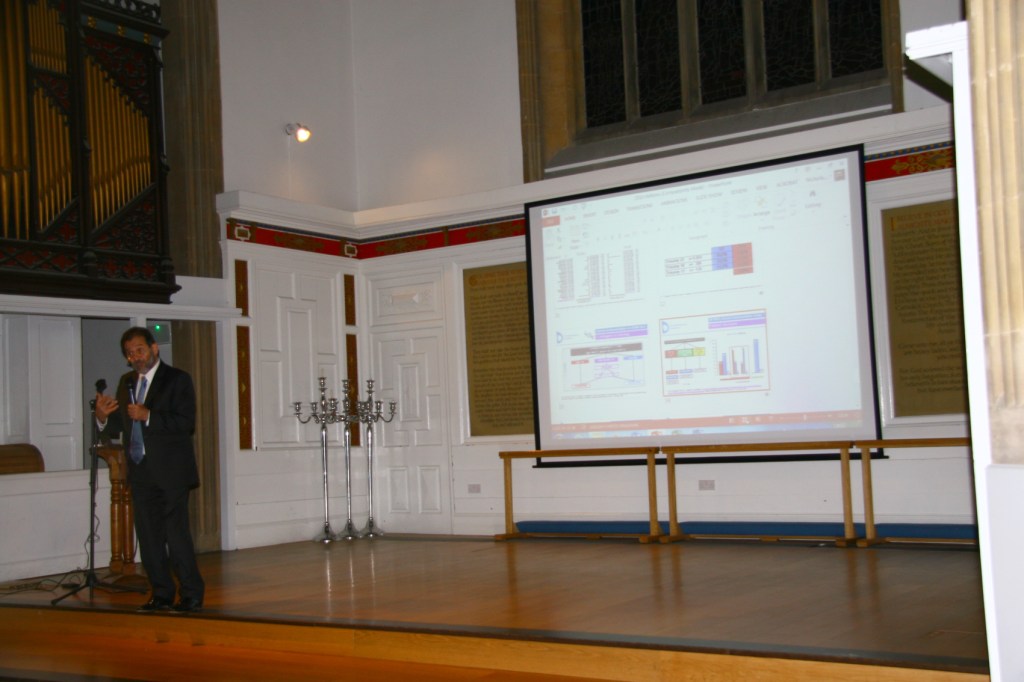
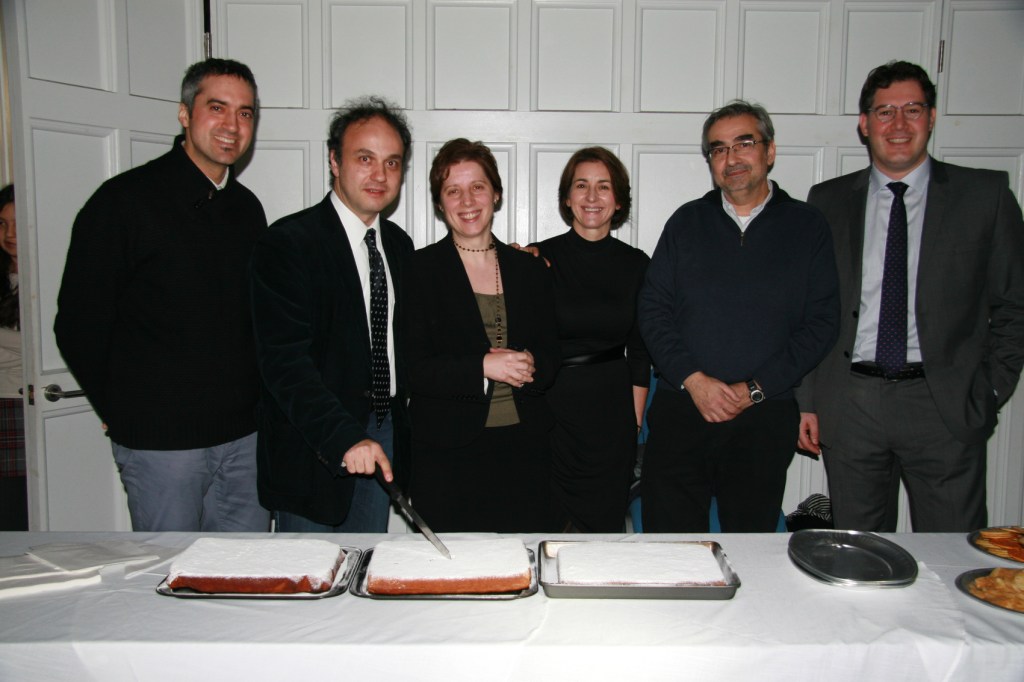
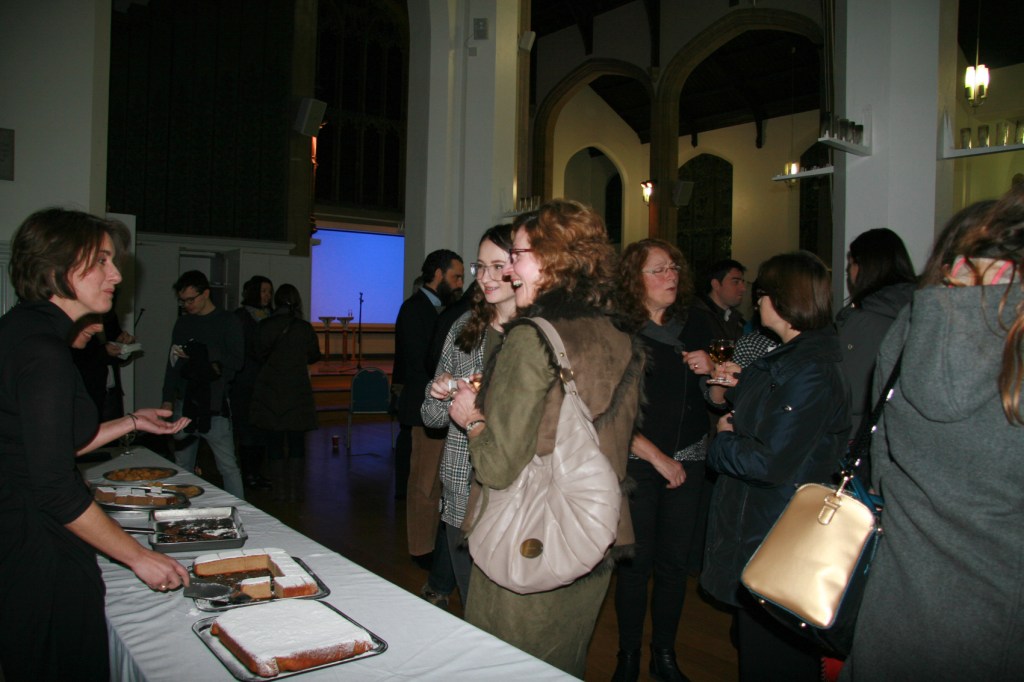

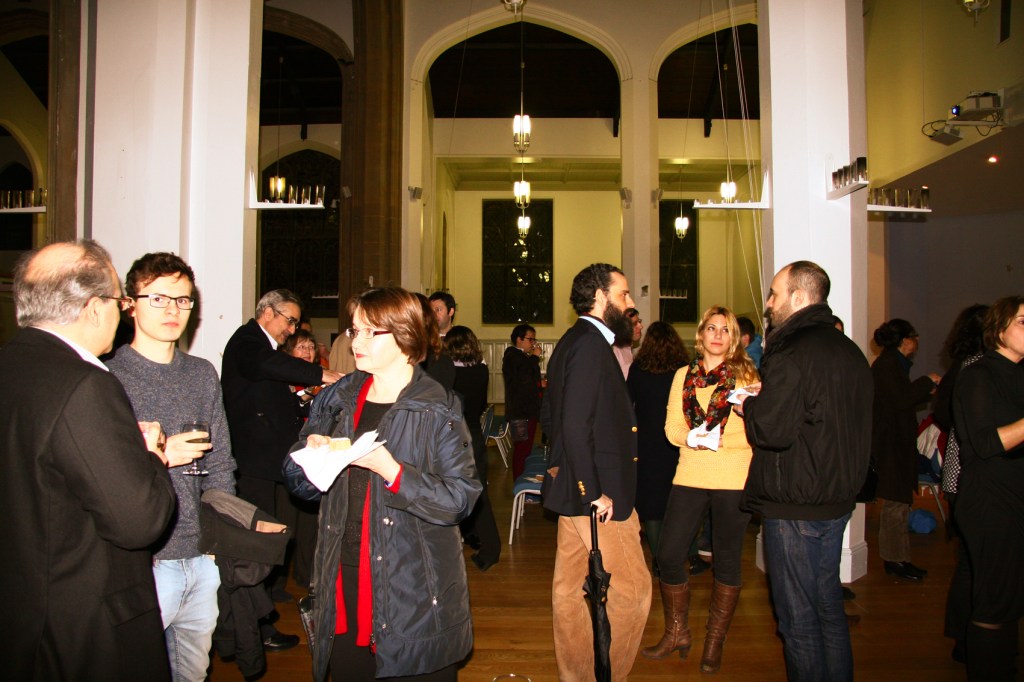
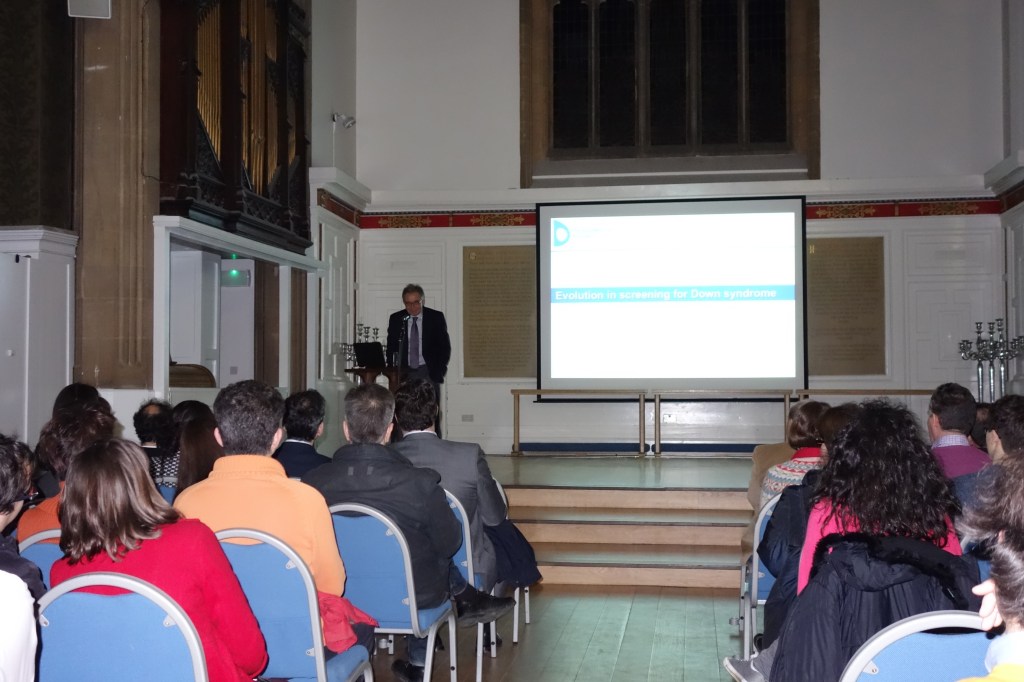
The eighth event of the society was held on Sunday April 24th 2016 at St Paul’s Centre. The speaker was Professor Ianthi Tsimpli*, Chair of English and Applied Linguistics at the University of Cambridge, on a topic of real interest for all of us: “The challenge of bilingualism”.
This event was widely advertised, in addition to our usual groups, to the parents and carers of the Greek School in view of its special significance to bilingual families with children.
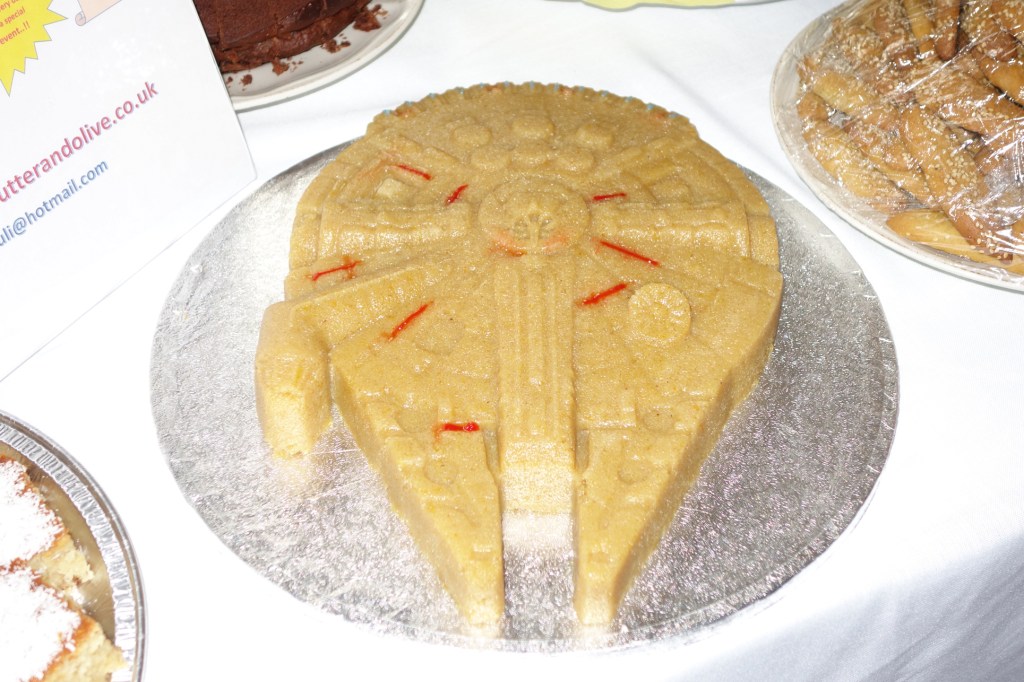
We were fortunate to have at the end of the talk and the lively discussion Greek sweets donated by our member Anta Giotika who has set up a catering service. Wonderful Cretan sweets were also offered by Yannis Stylianou, another of our members.
*http://www.mml.cam.ac.uk/imt20

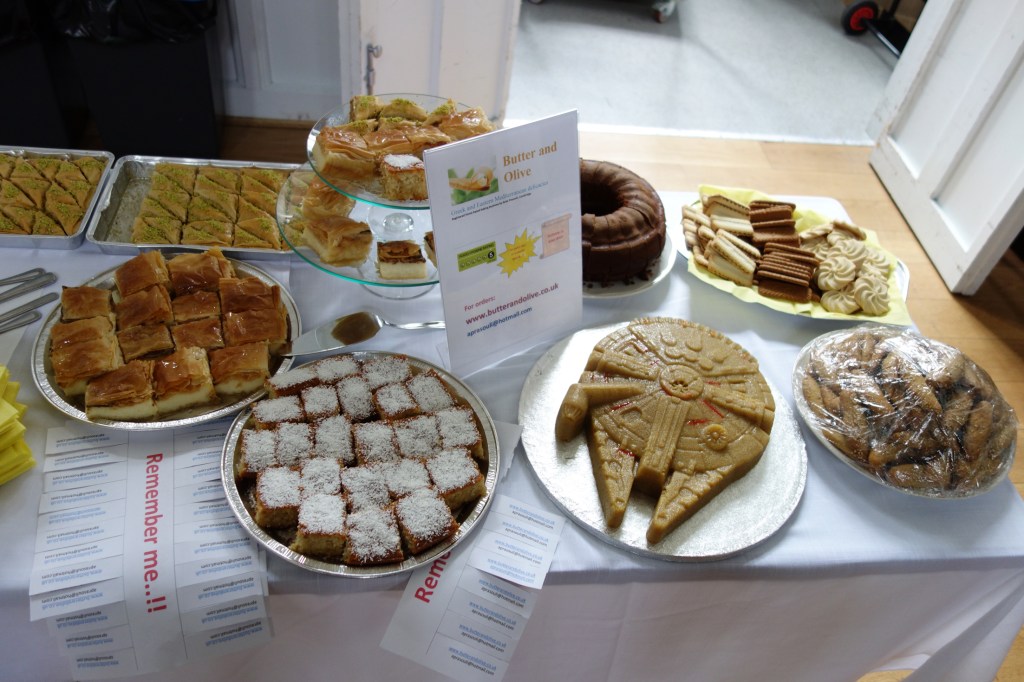
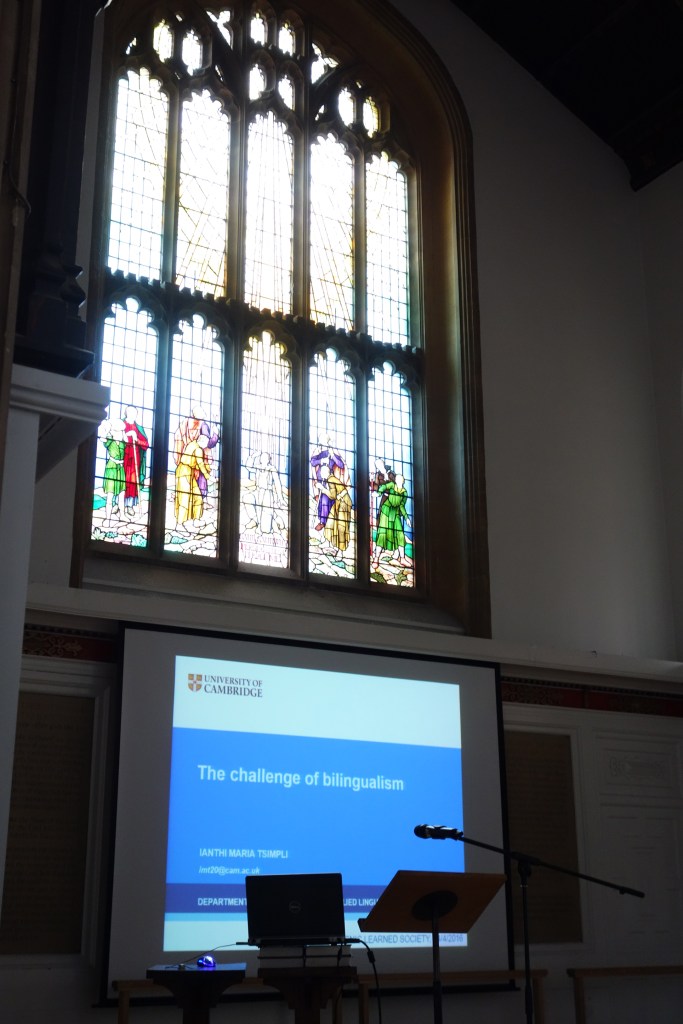
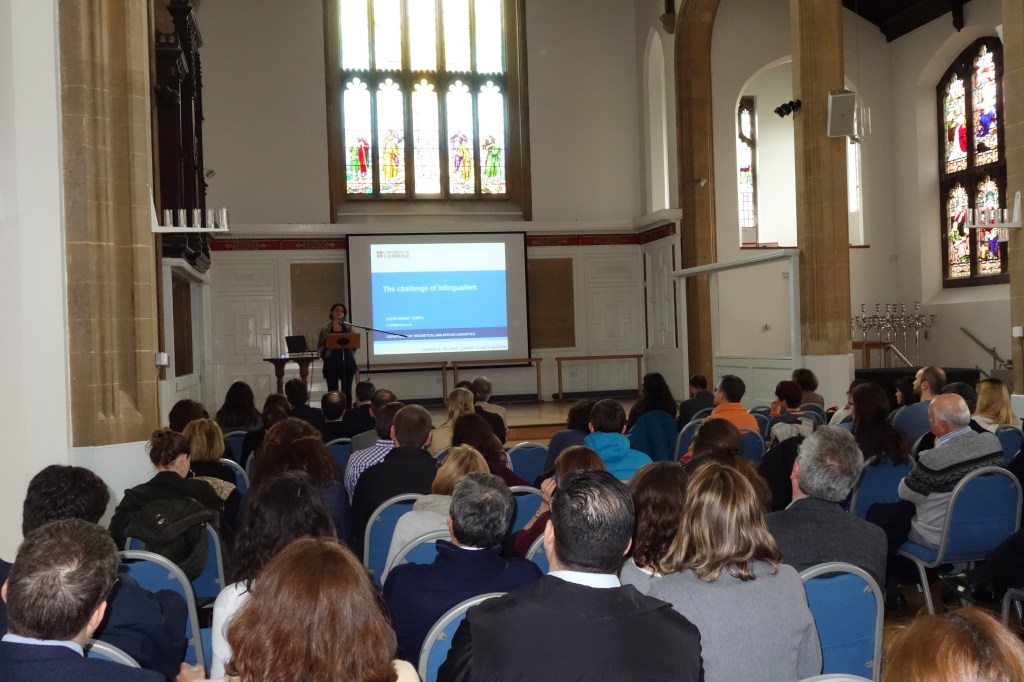


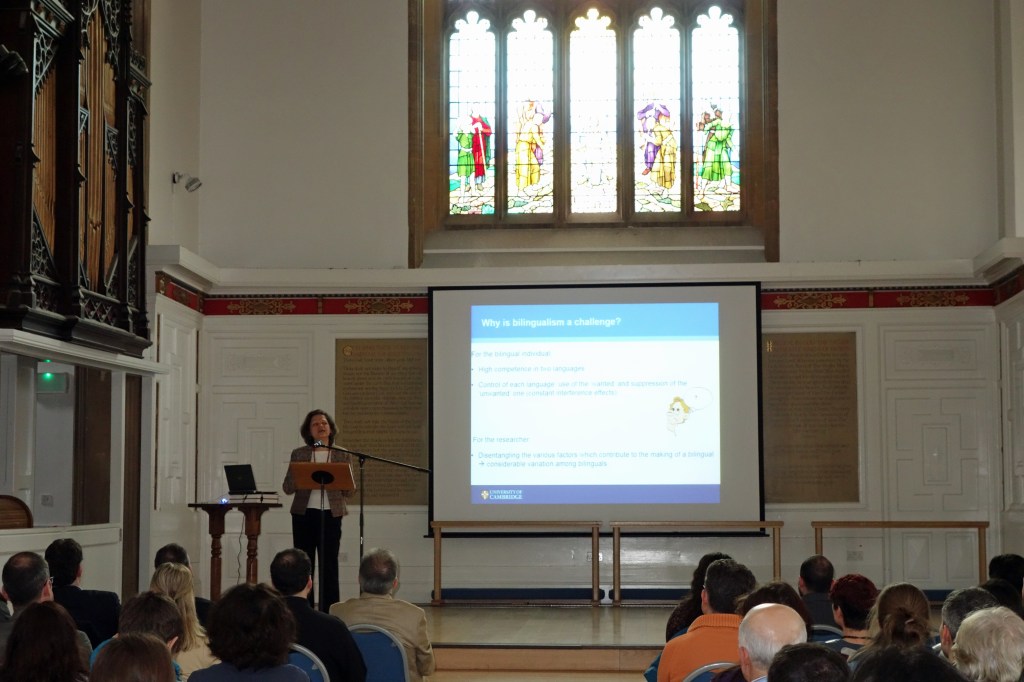
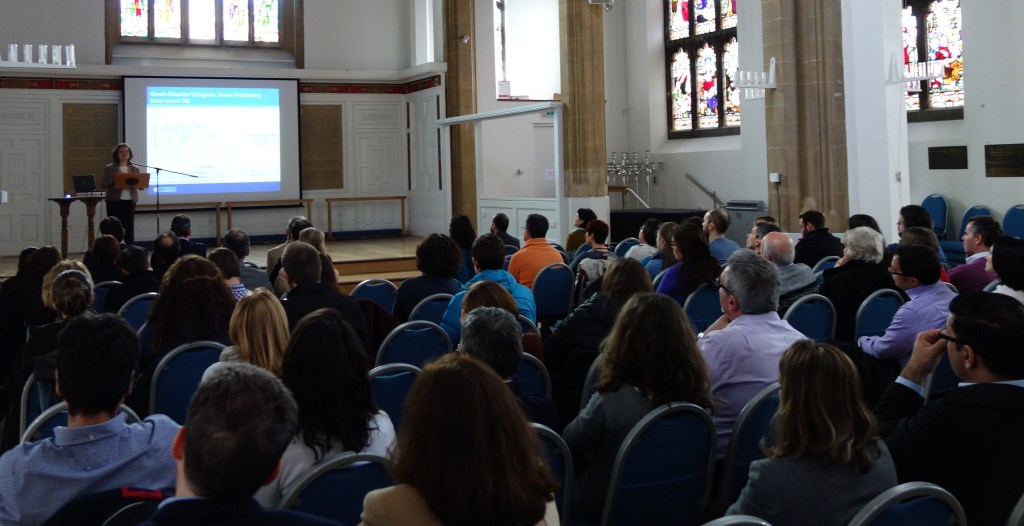


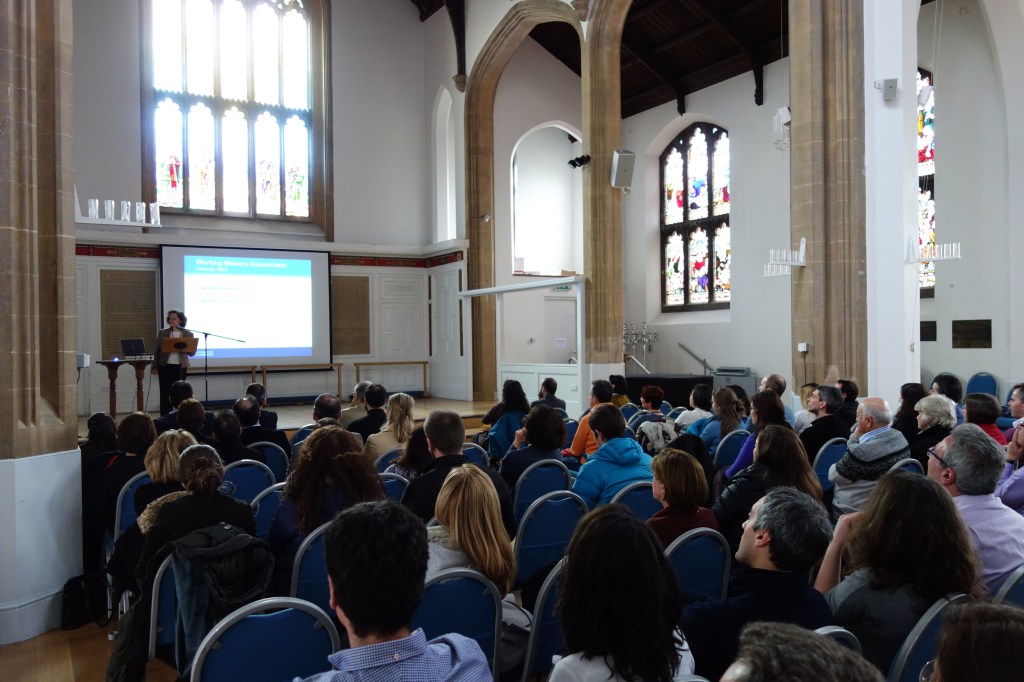
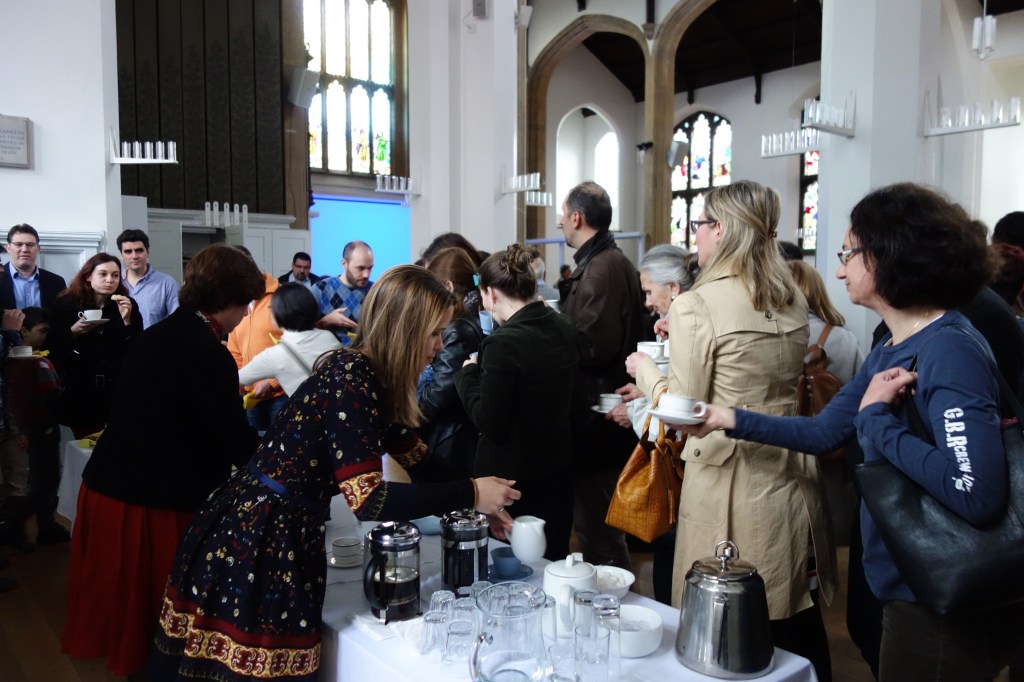

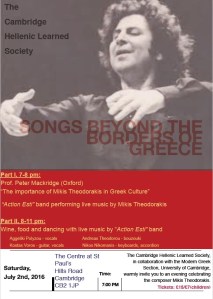
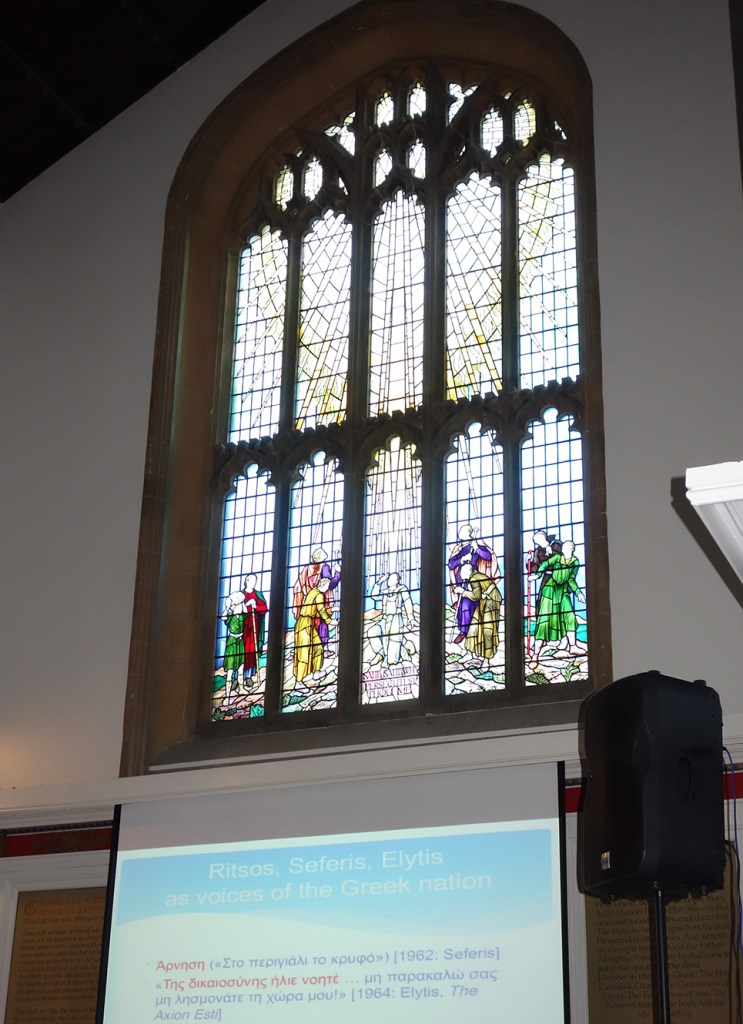
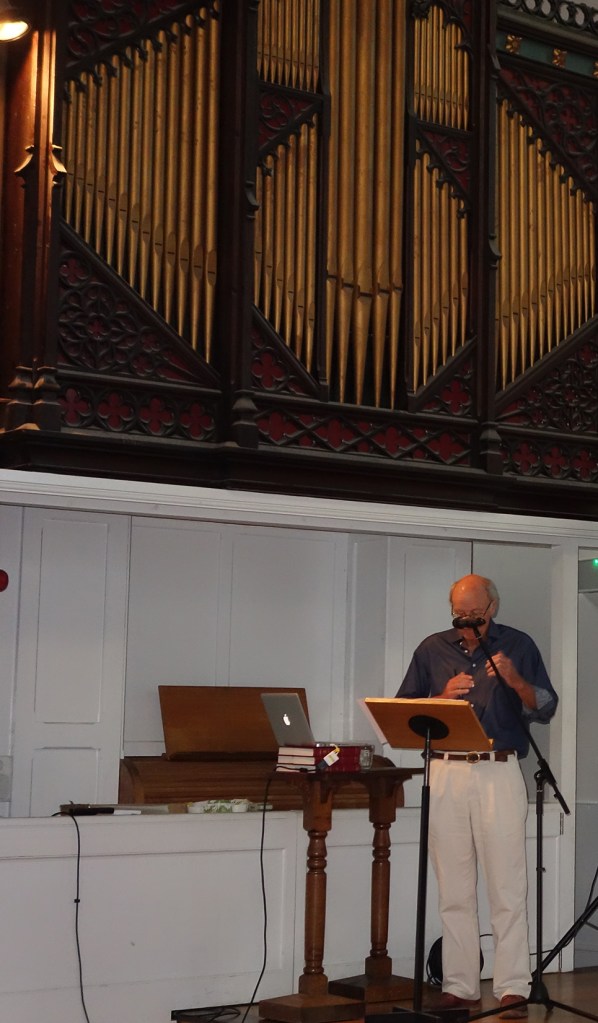
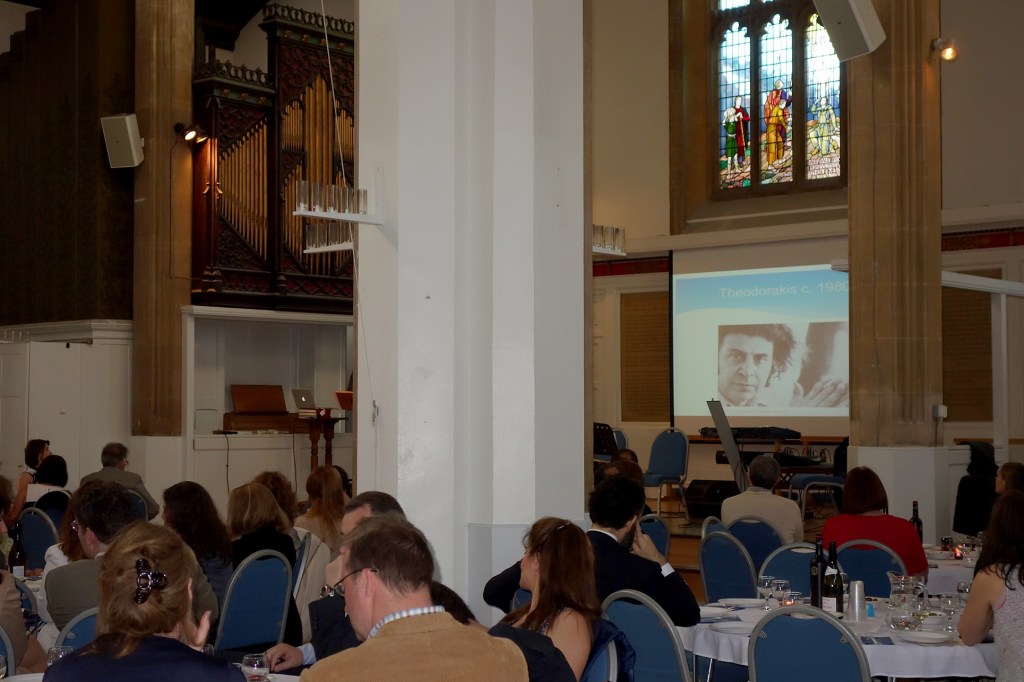
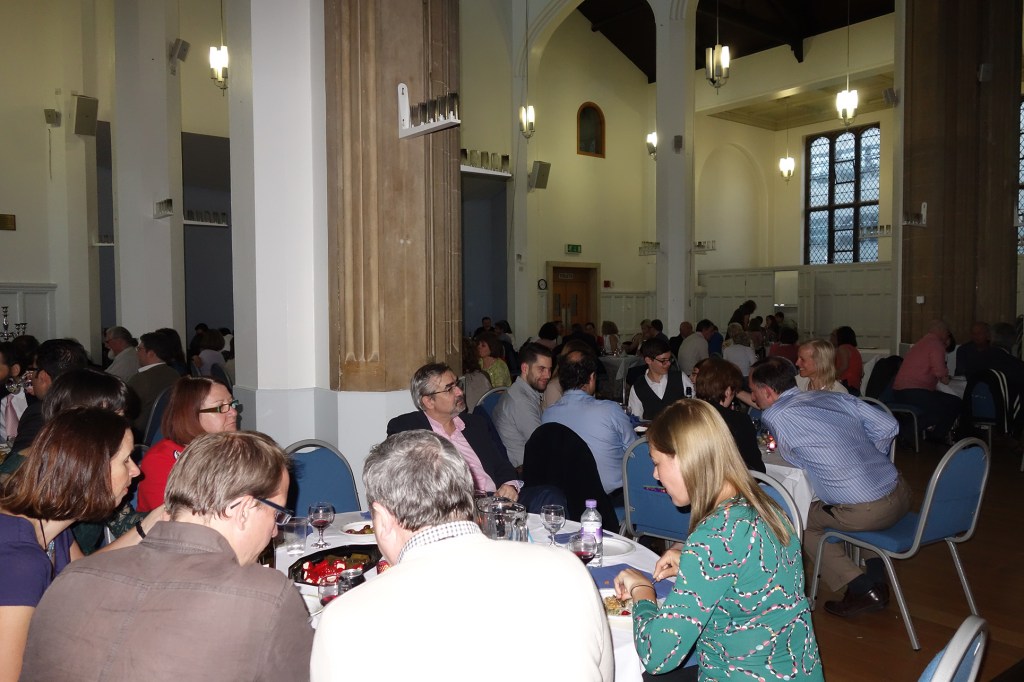
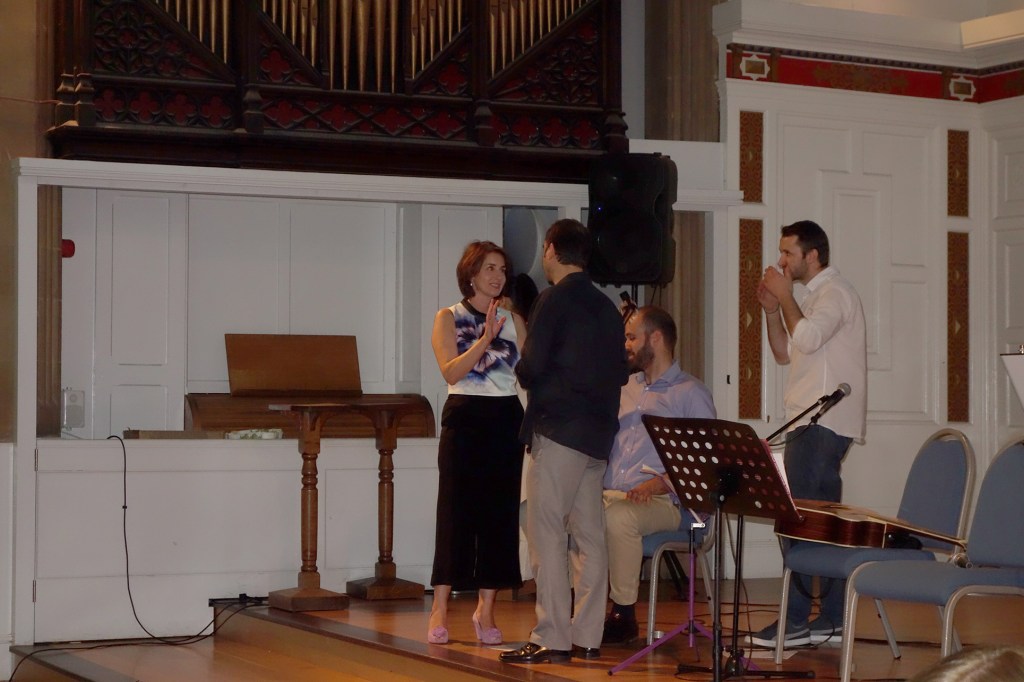
The ninth event of the Society (organised with the collaboration of the Modern Greek Section of the University of Cambridge) was held on July 2nd 2016 at St Paul’s Centre and it was a combination music/lecture recital and social get together. The first part of the programme was in celebration of the work of Mikis Theodorakis and included a talk by Peter Mackridge (emeritus Professor of Modern Greek at Oxford) as well as the rendition of some of his classic songs (Βρεχει στη φτωχογειτονια, Αρνηση, Γελαστο παιδι, Καημος, Φαιδρα and many others) by the Action Esti band. The second part of the event was a regular taverna-style food and dance where the Action Esti band once again provided a wonderful program of only high quality Greek songs. Food included Greek savouries offered by the Olive Grove Greek restaurant and other food and wine, some donated by members of the Society. We are very grateful to all of them because they helped keep the cost of the event affordable for all. The children were offered pizzas. Just like last year’s social, this event included over 120 people and lasted until after 11:00 pm.

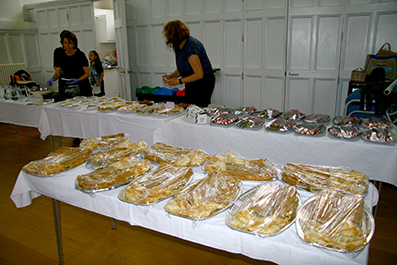

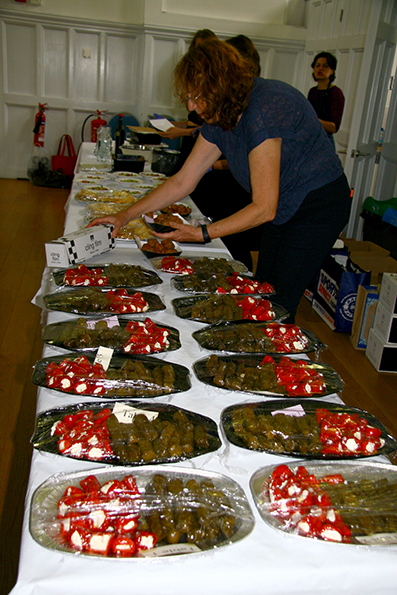


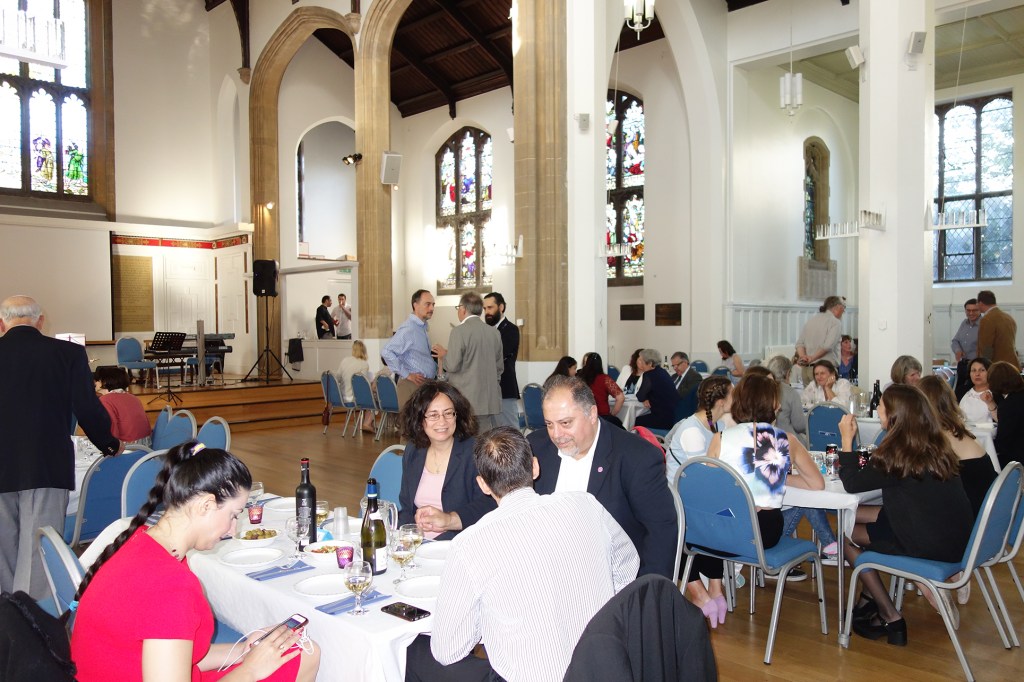
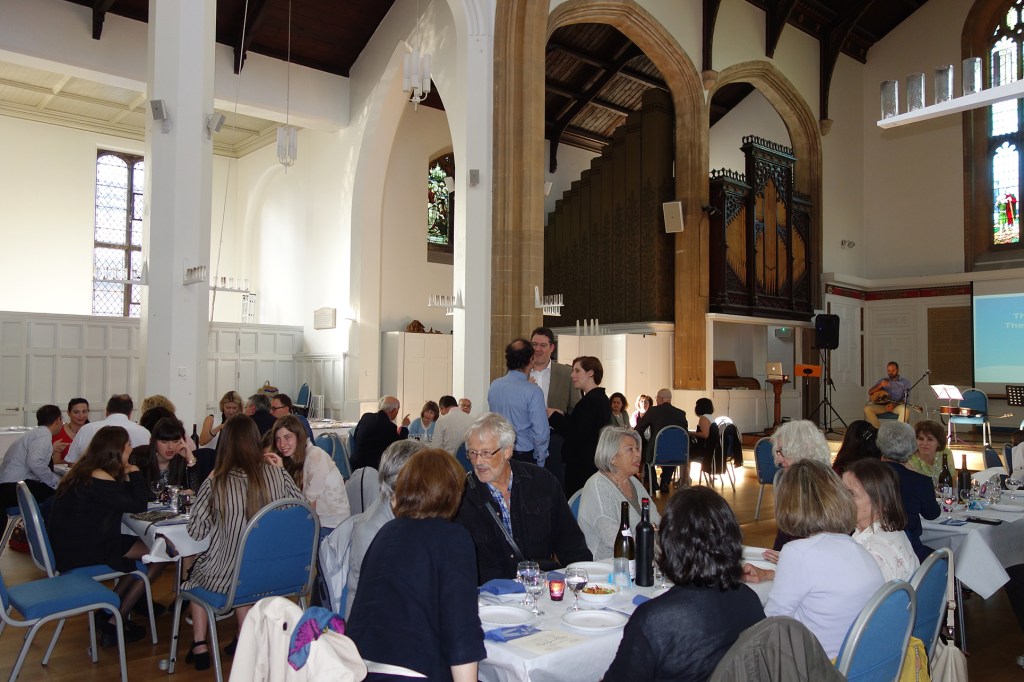






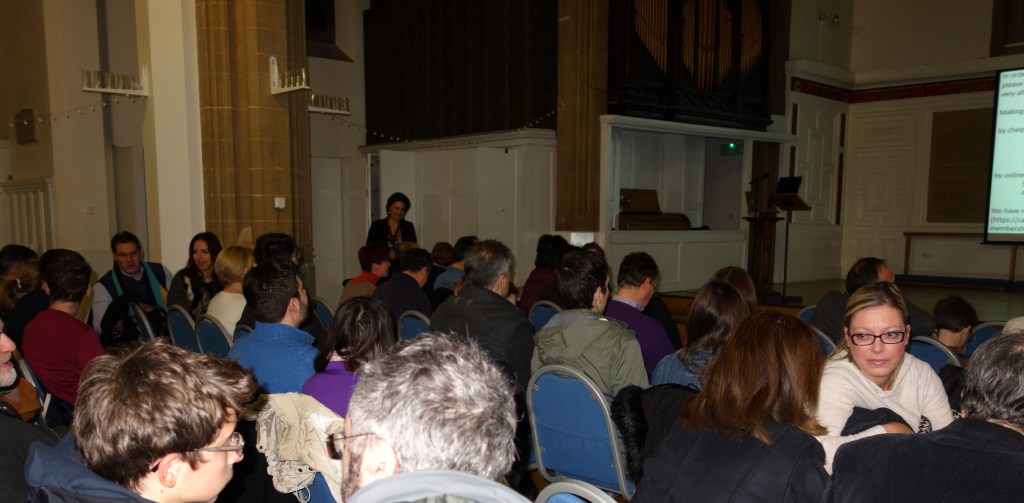
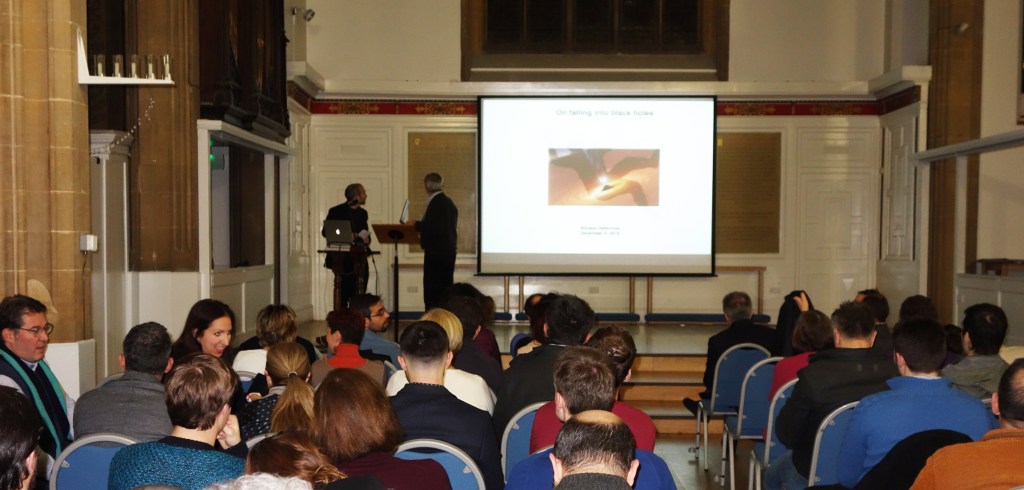
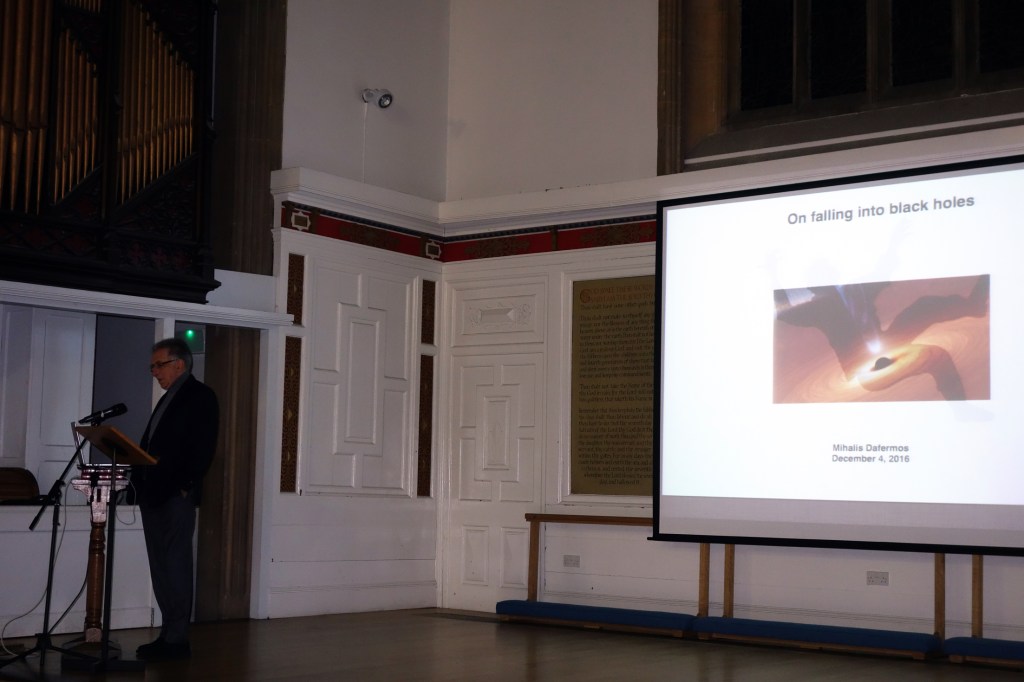
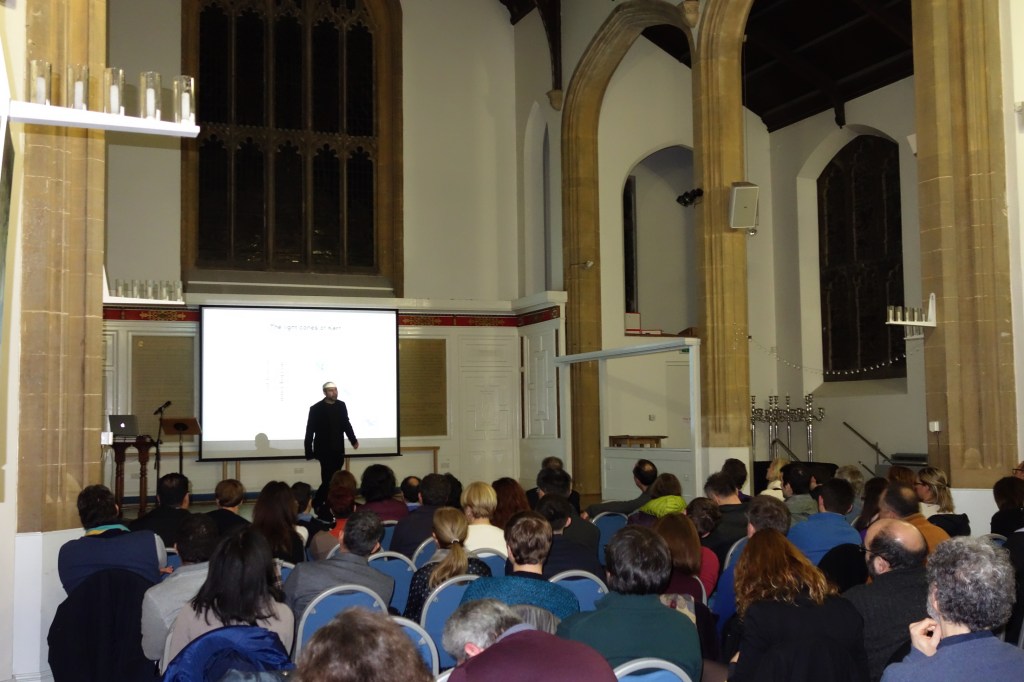
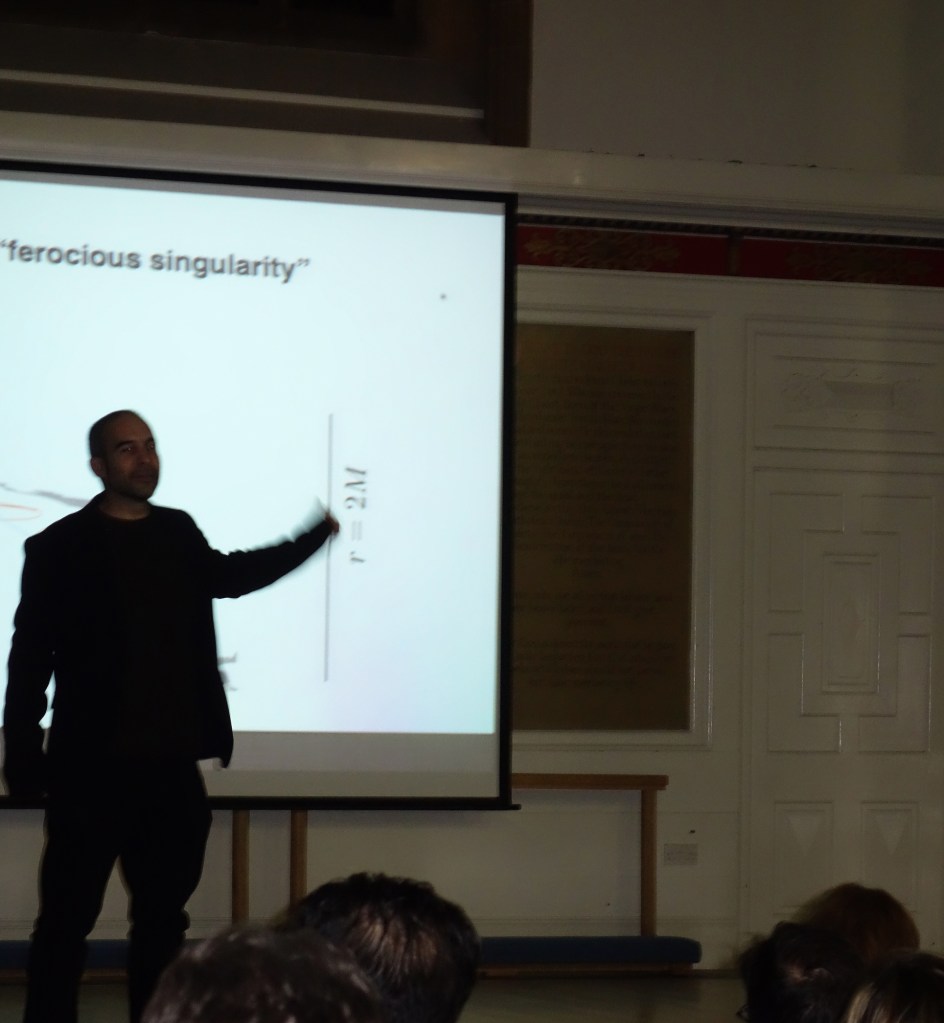
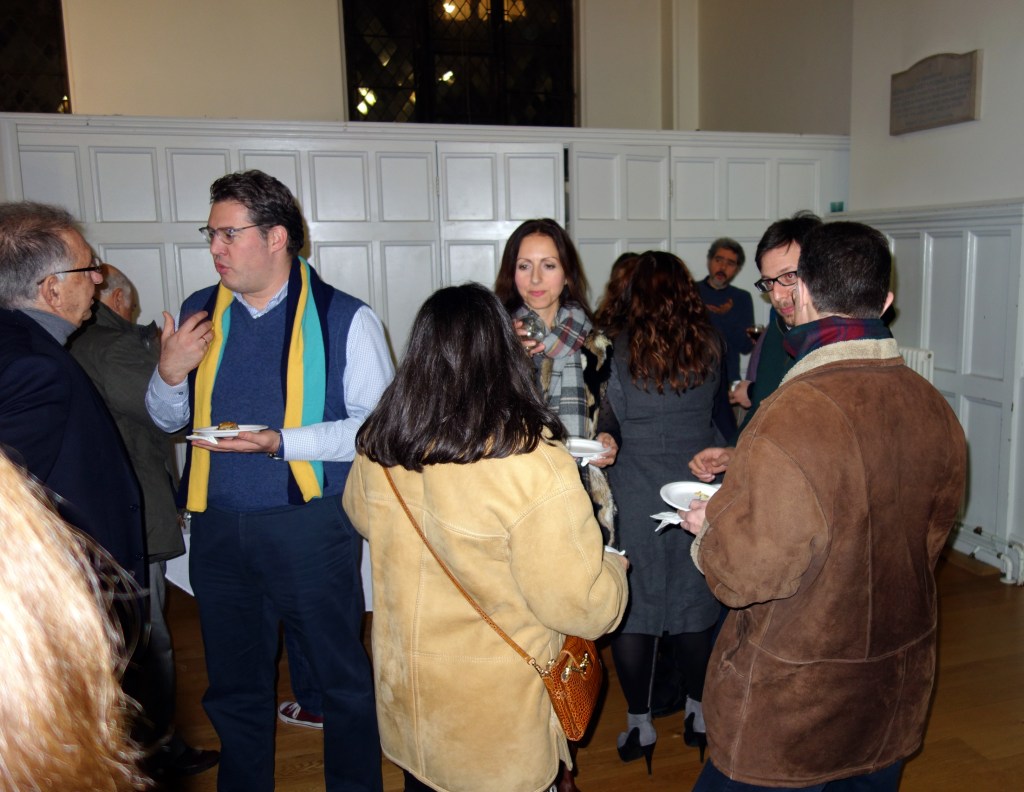
The tenth event of the Society was held on Sunday December 4th 2016 at St Paul’s Centre. Professor Mihalis Dafermos, the Lowndean Professor of Astronomy and Geometry* at the University of Cambridge and a Professor in the Department of Mathematics at Princeton University gave a talk “On falling into black holes”. The talk provided a brilliant but fairly accessible description of the work of Albert Einstein in the context of early 20th century contemporary Physics but updating with very recent work as well. The event was attended by over 80 adults and was followed by an extended social with sweet and savoury nibbles as well as tea and wine. There was a crèche for young children. It was a great opportunity to meet one of the distinguished Greeks working at the University.
* An endowed chair with its own Wikipedia entry! https://en.wikipedia.org/wiki/Lowndean_Professor_of_Astronomy_and_Geometry

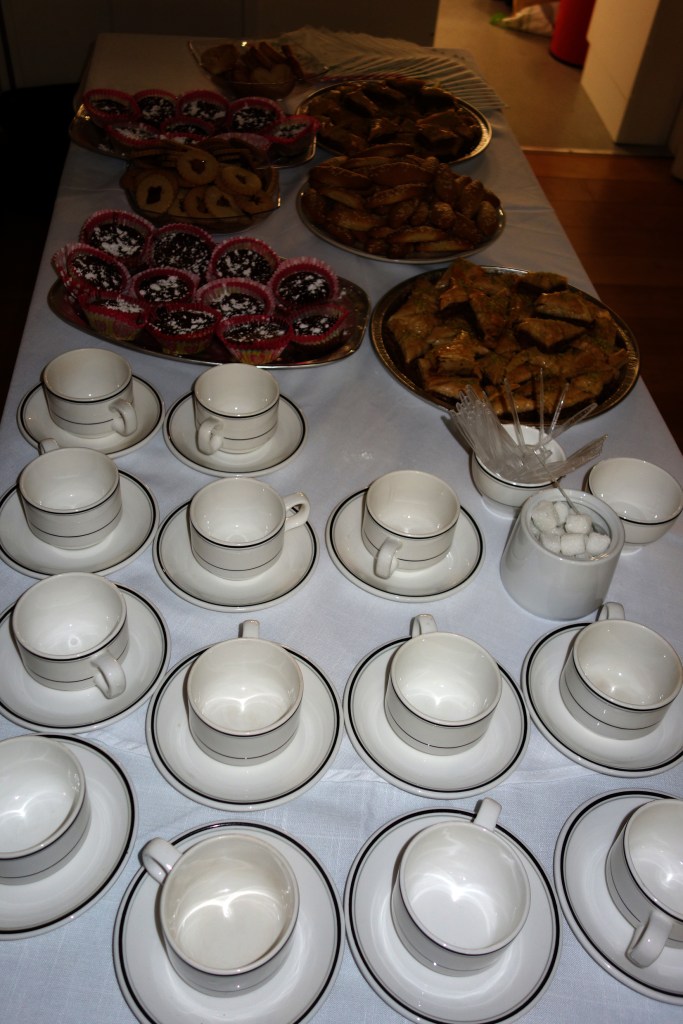



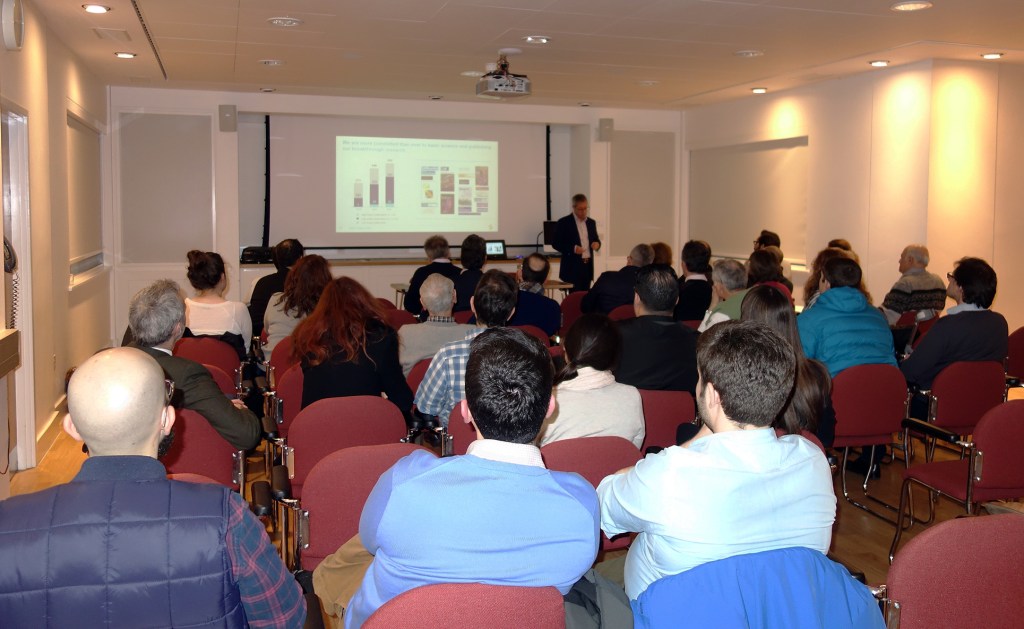
The eleventh event of the Society was held on Monday January 30th at the Garden Room of St Edmund’s College. The speaker was Menelaos Pangalos, Executive Vice President of AstraZeneca, and the title of the talk was “The challenge and excitement of discovering and developing new medicines”. Mene gave us an inside view of what it takes, intellectually and financially, to develop new pharmaceuticals and why the process is still an art in addition to being a science. In the lively discussion that followed we touched upon the future of medicine and pharmaceutical companies, the view of AstraZeneca with respect to their integration into the Cambridge community, and how academic and pharma scientists can work together while maintaining their respective focus as well. This was the first event held on a weekday without offering a crèche; feedback and attendance were good so in other exceptional circumstances in the future we would consider this format for our events.
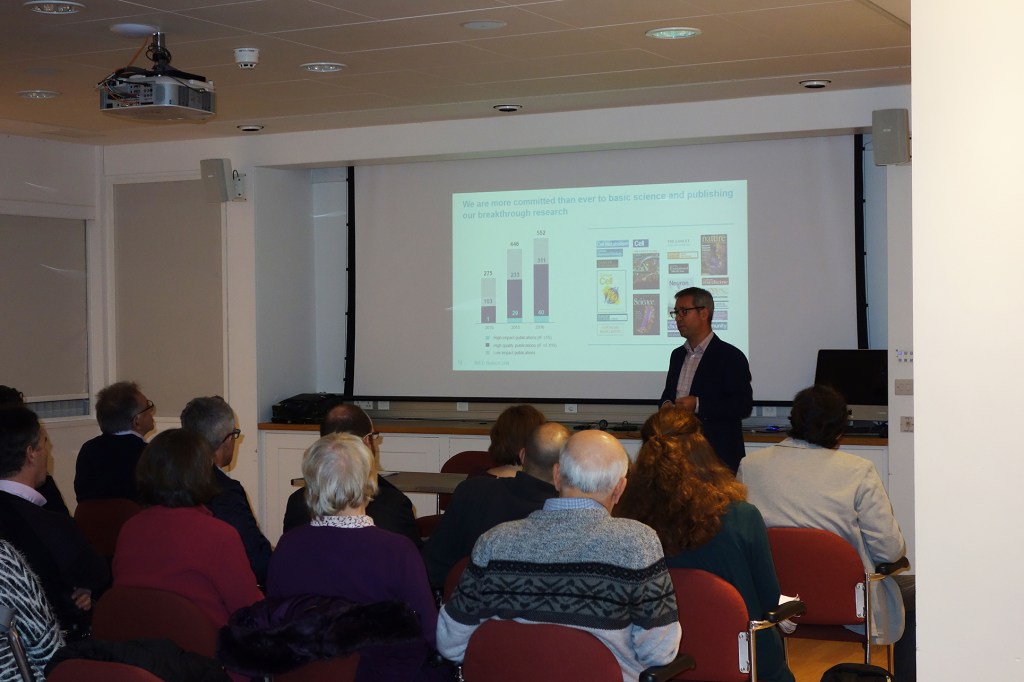



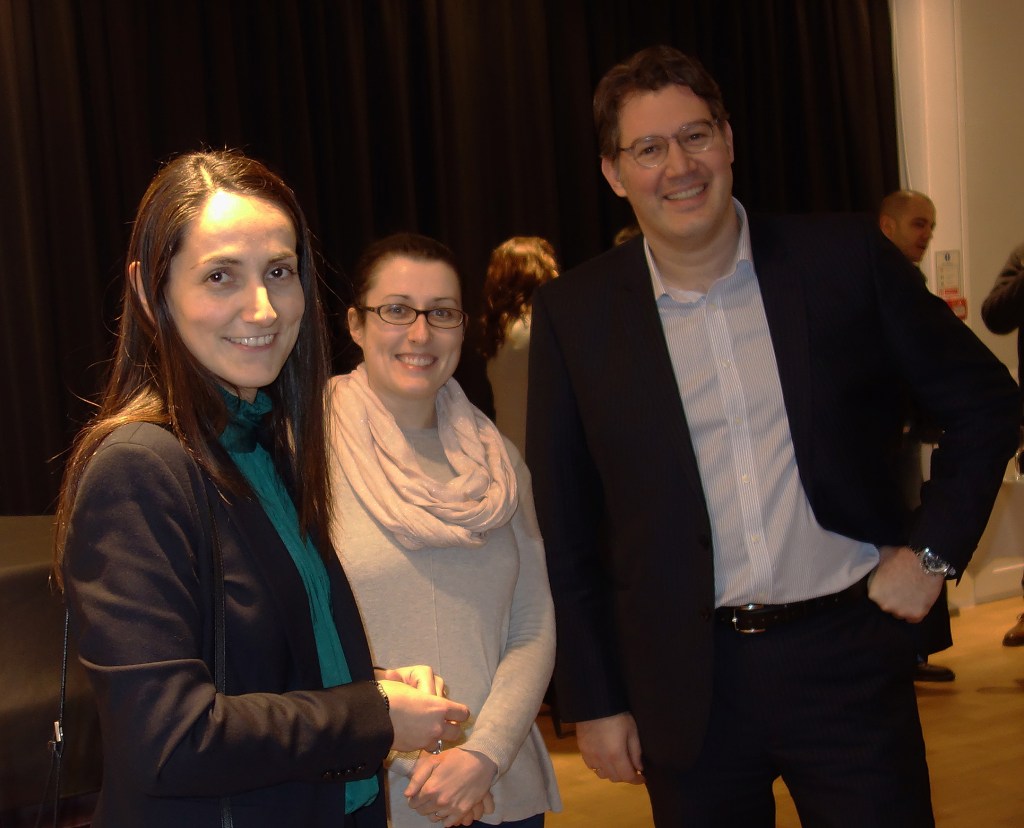
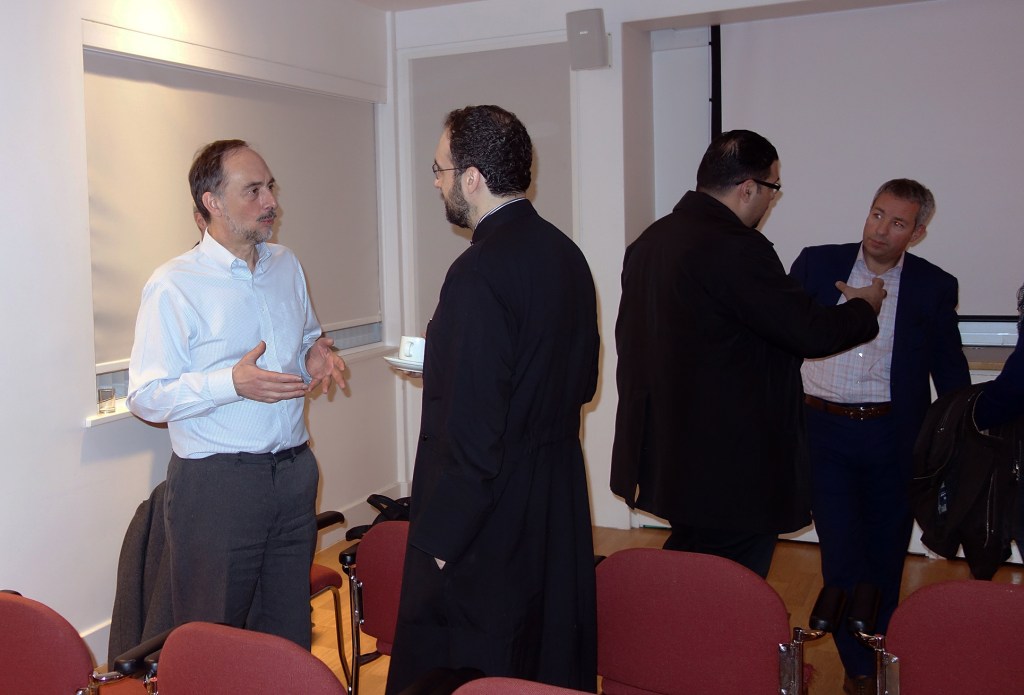
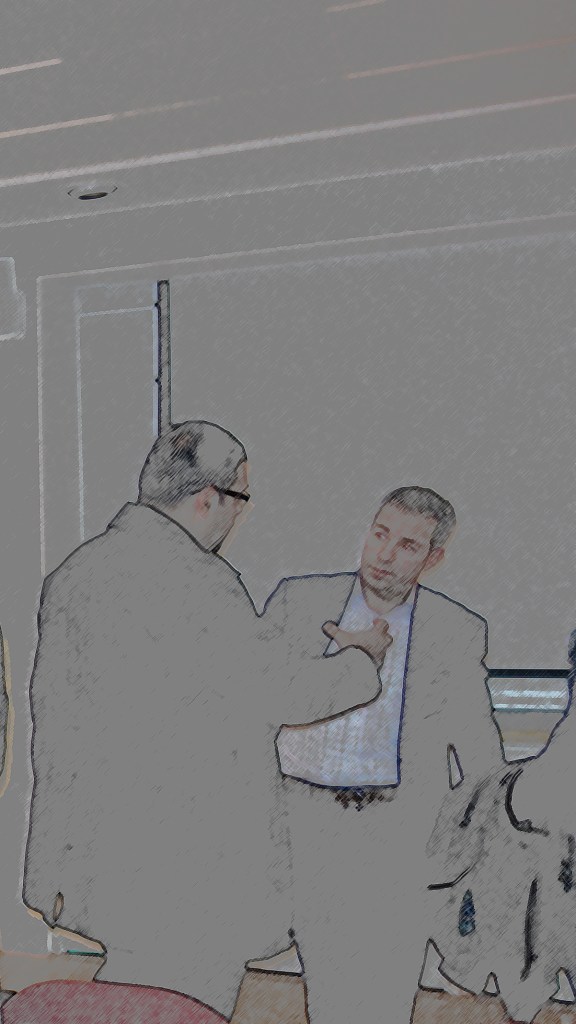

The twelfth event of the Society was held on March 25th, at St Paul’s Centre. Professor Roderick Beaton, one of the world’s top scholars on various aspects of Greek history and culture and the Koraes Professor of Modern Greek & Byzantine History, Language & Literature at King’s College spoke on “Why did the Greek Revolution break out in 1821?”. The talk was organised in association with the Modern Greek Section, University of Cambridge.
Professor Beaton gave a very detailed and scholarly description of the events leading up to the Greek Revolution, including the European context and the role played by the Diaspora. One can only wonder if this type of historical perspective would one day replace myths and fantasies being taught to children in Greece-it doesn’t detract from the scale of the achievement. This is one of the reasons why the Society made a special effort to invite the parents and carers of the Greek School.
The event was attended by approximately 80 adults and was followed by a get together with sweet and savoury nibbles as well as juice and wine. There was a crèche for young children.

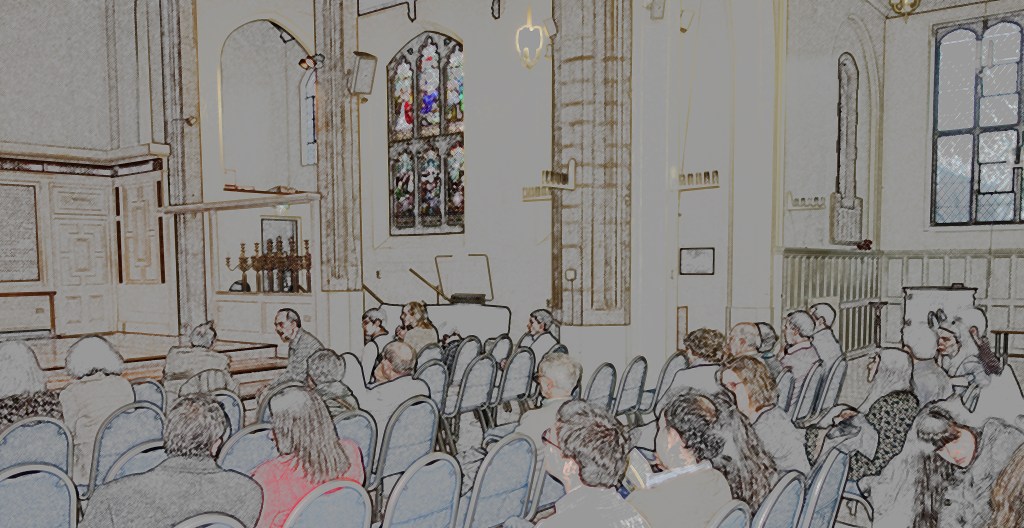

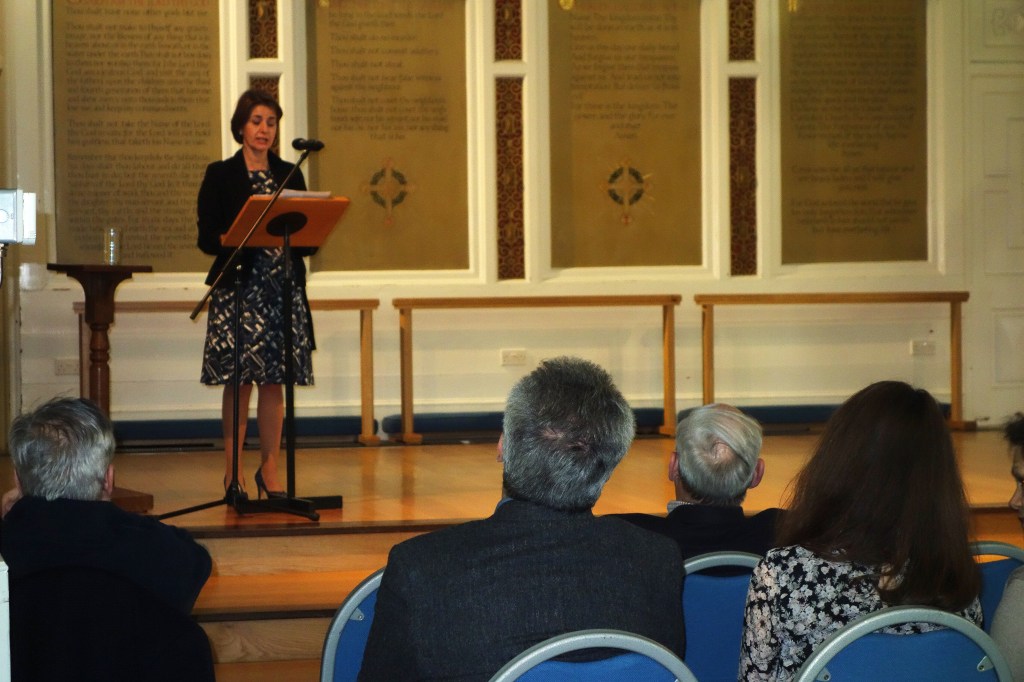
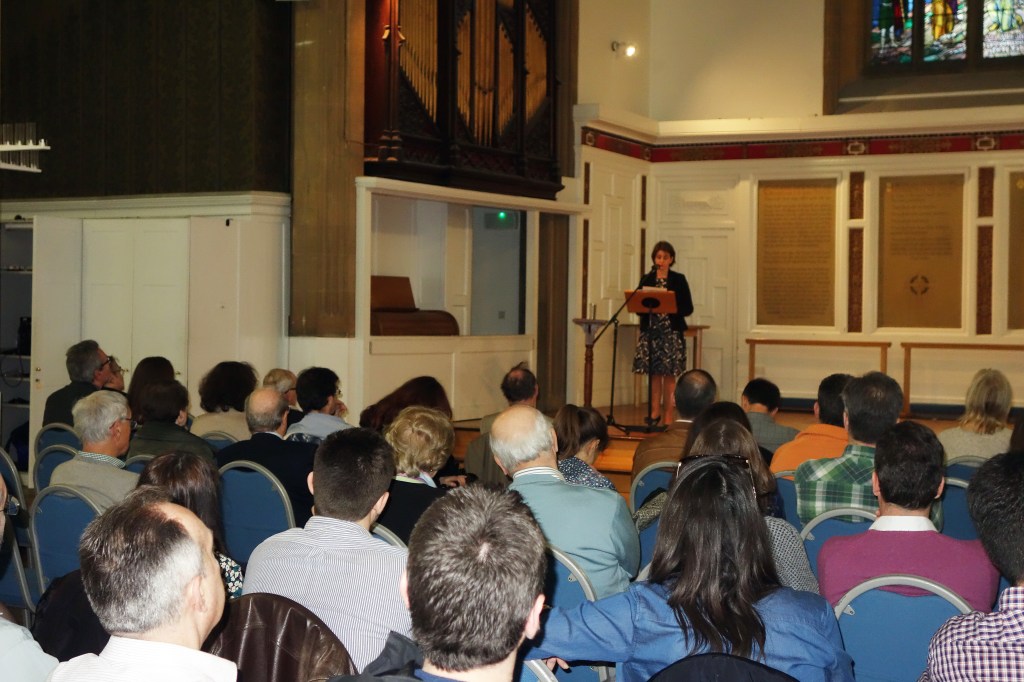

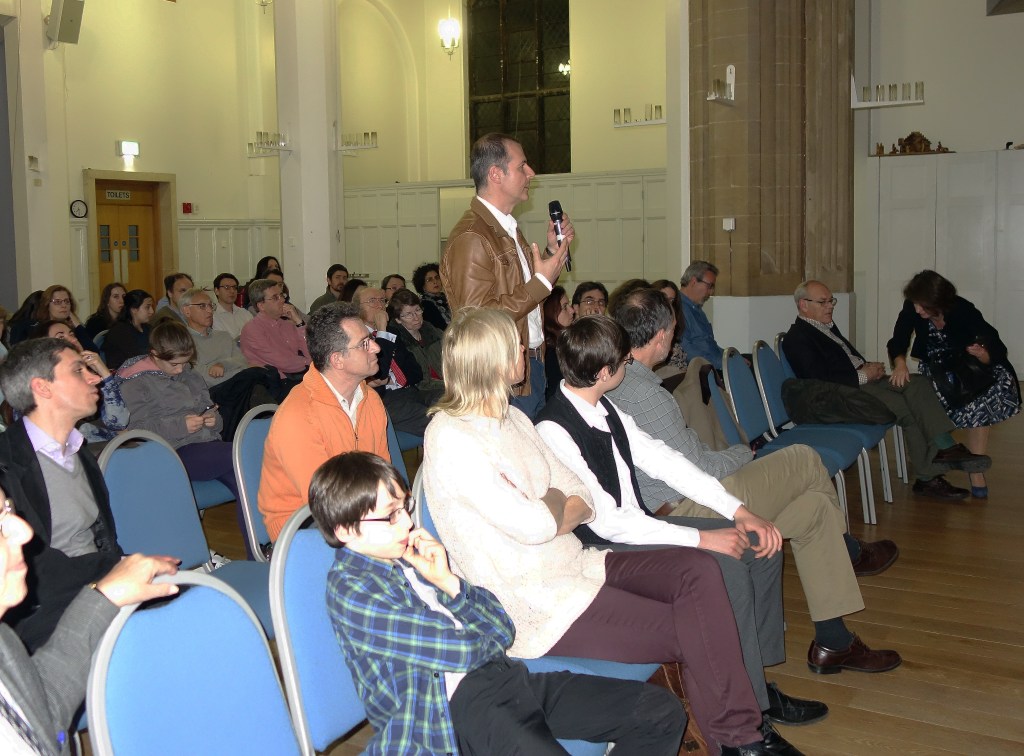
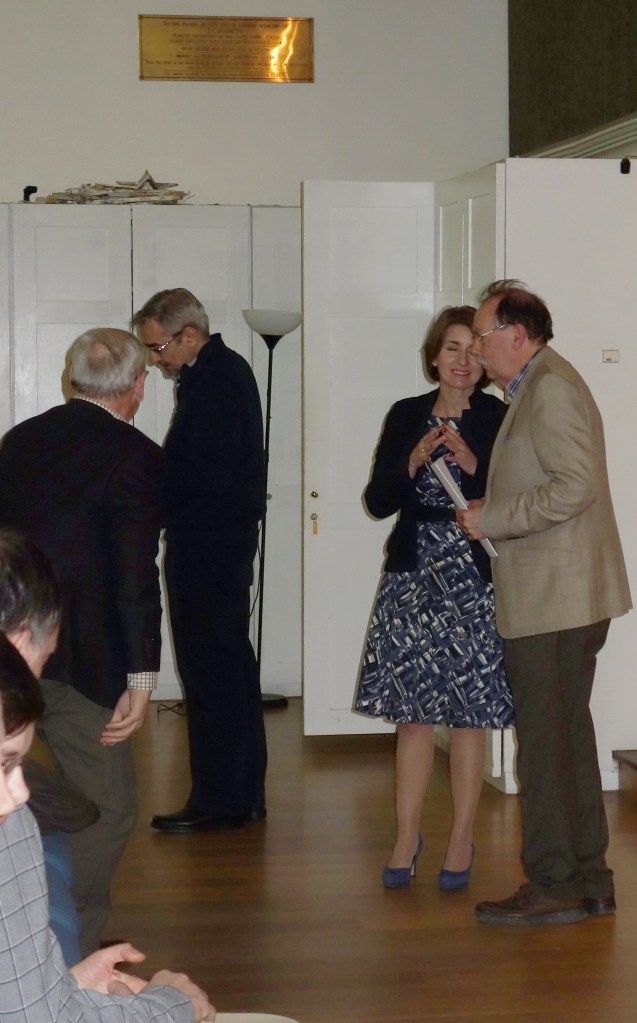


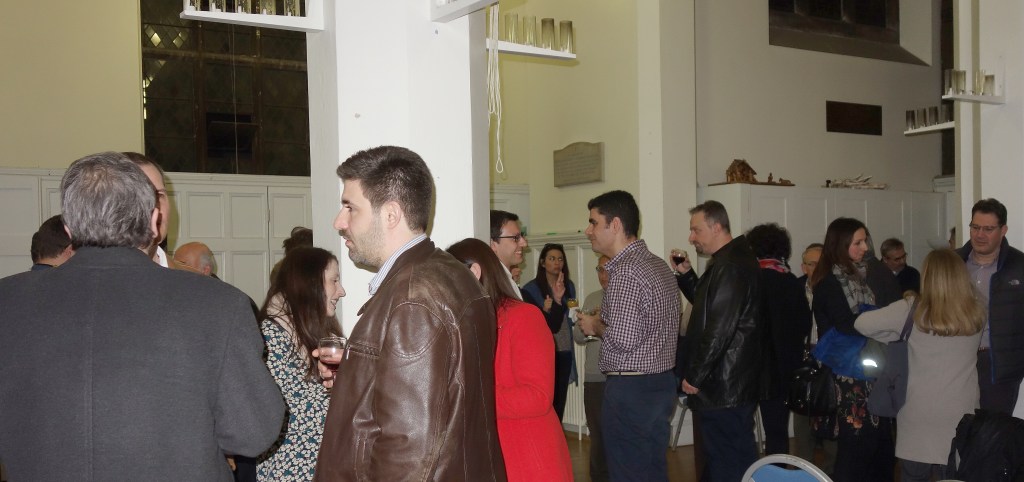
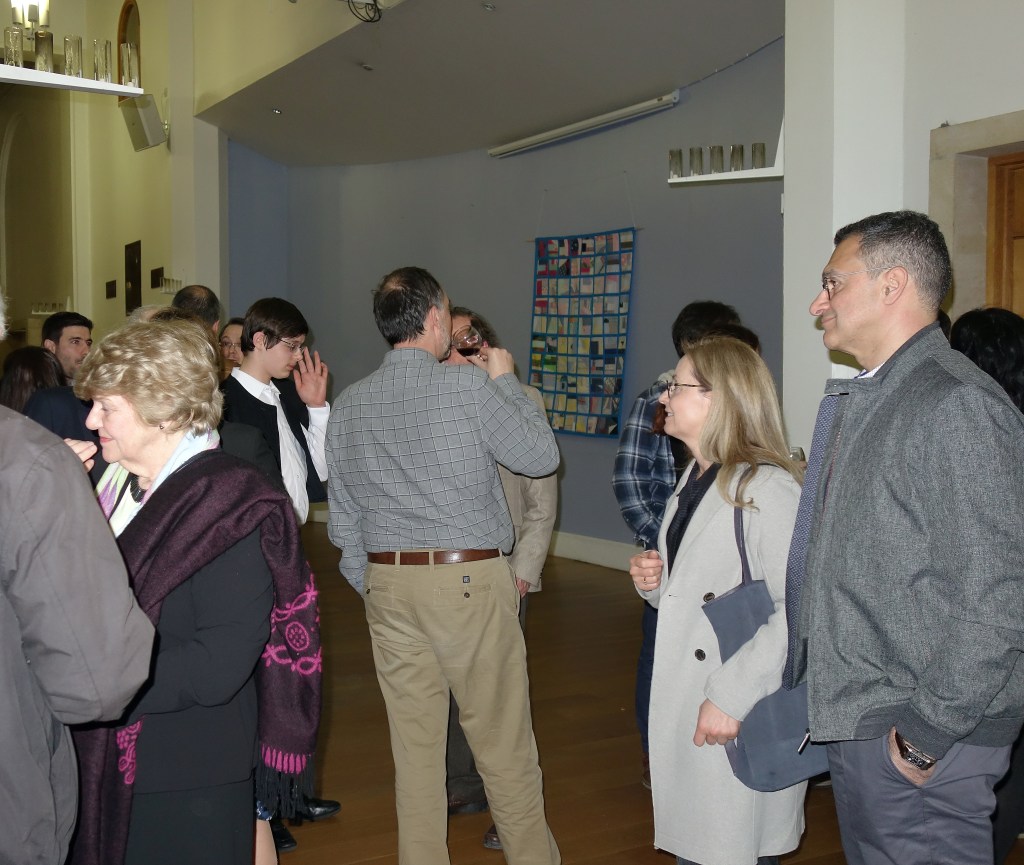
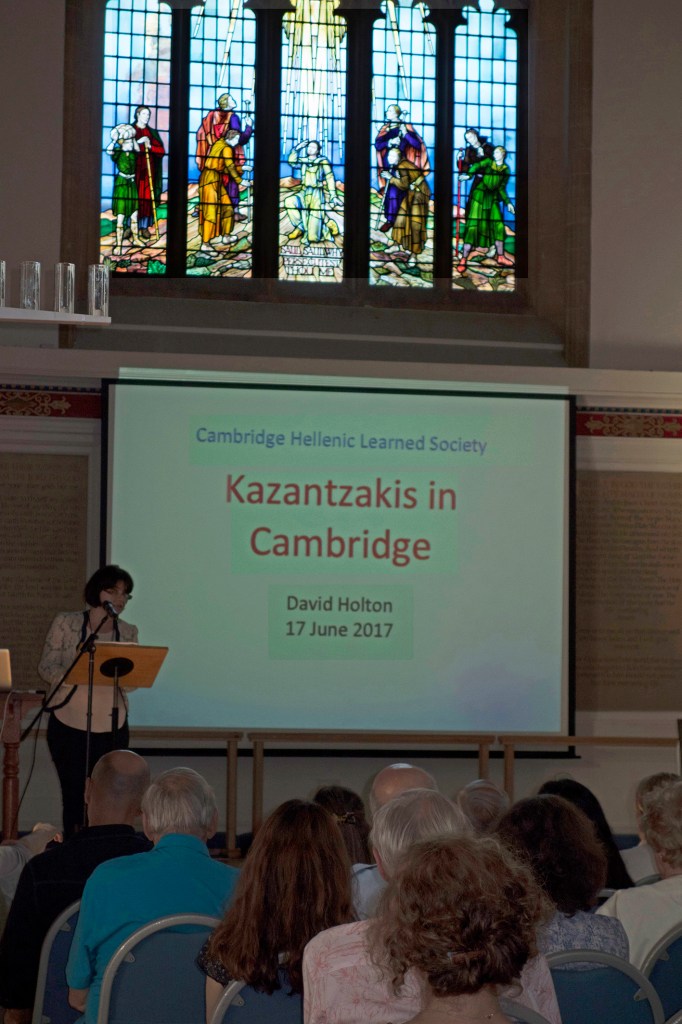
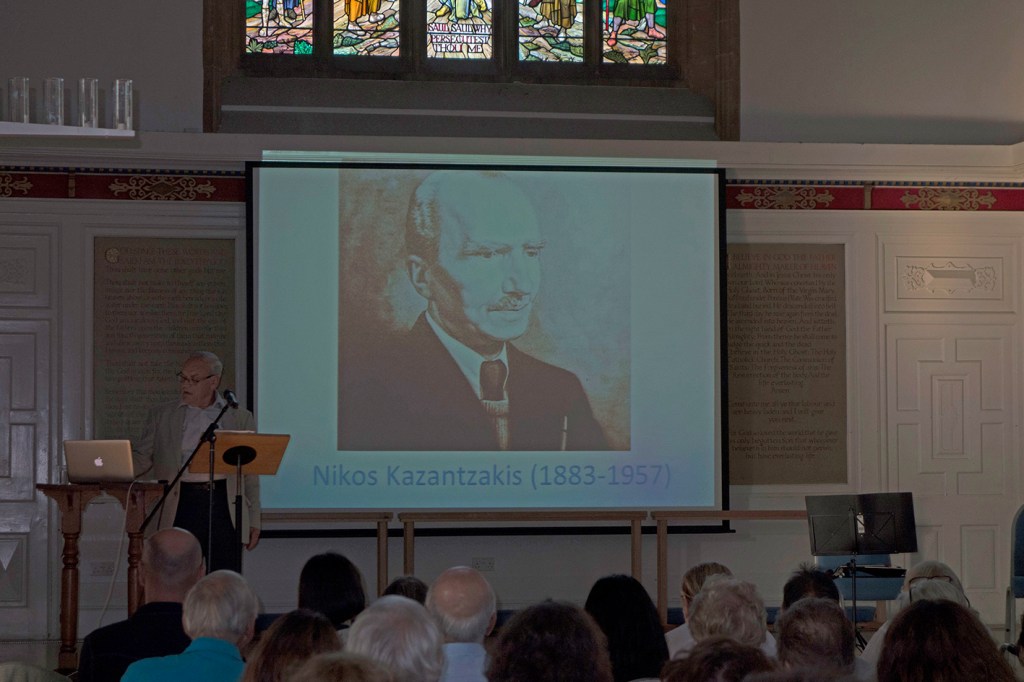
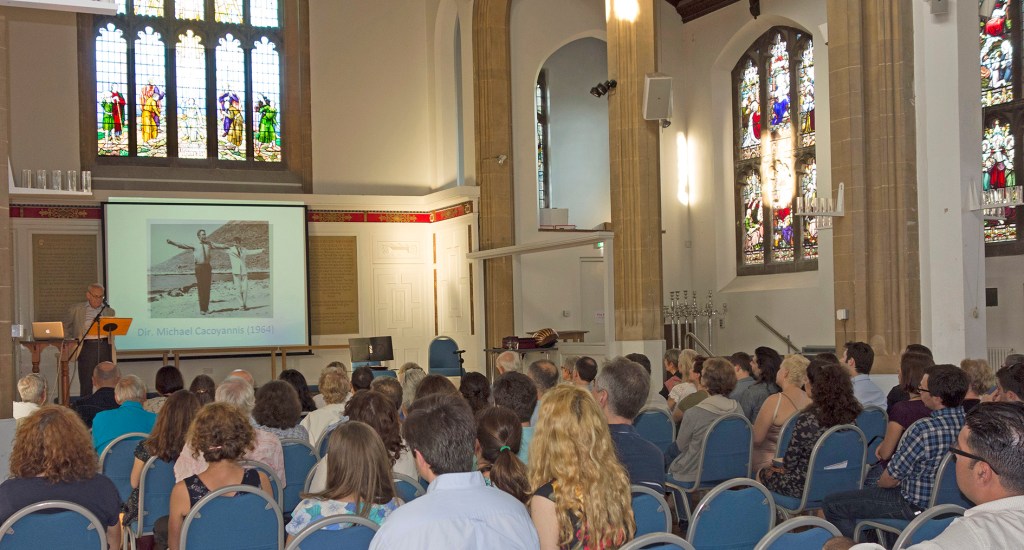
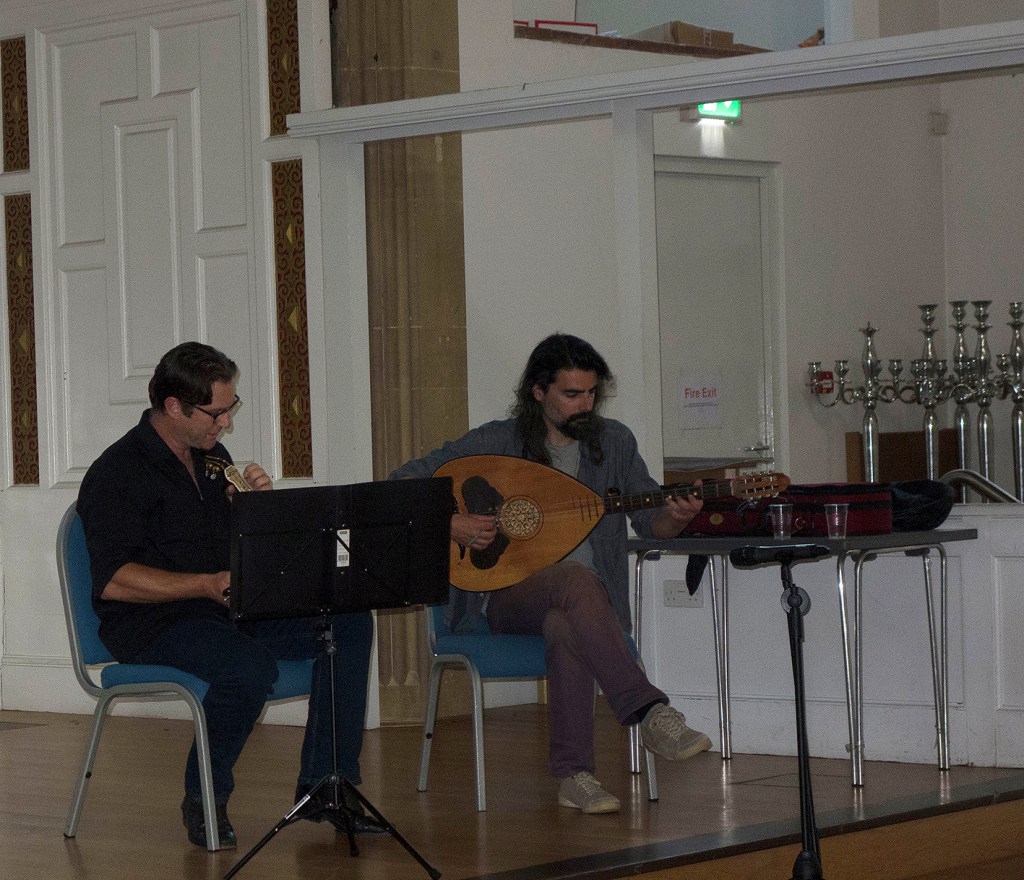
The thirteenth event of the Society was help on June 17th, at St Paul’s Centre and it was organised to honour the memory of Nikos Kazantzakis on the 60th anniversary of his death. Professor David Holton from the University of Cambridge gave a talk titled “Kazantzakis in Cambridge” and he presented us with mostly unknown information on the 3-months that Kazantzakis spent in Cambridge writing a book (that was never published) and trying to organise the UK intellectuals into some type of humanistic society (hard to do!). The talk was organised in association with the Modern Greek Section, University of Cambridge. At the event of the talk, Kostis Karadimas on Lyra and Theofilos Lais on lute played and sang a small piece from Erotokritos, the well-known poem from Crete.
There was a crèche for young children.
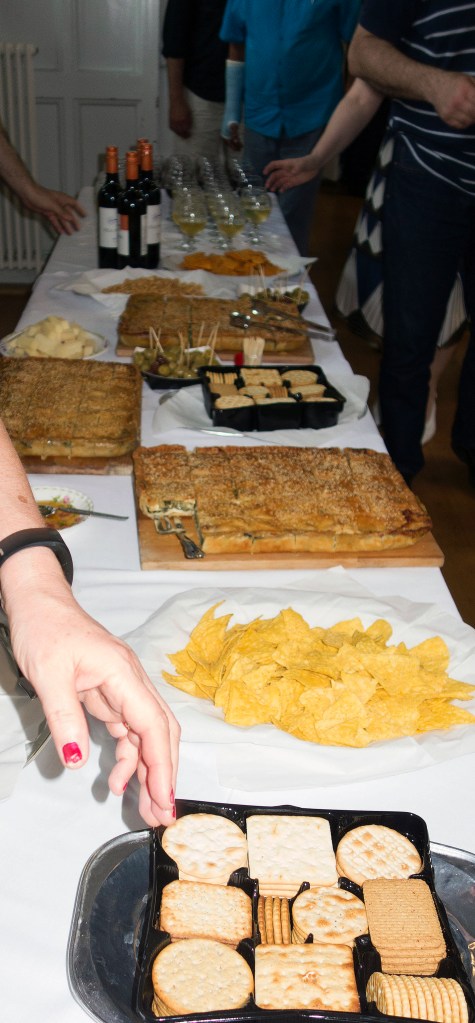
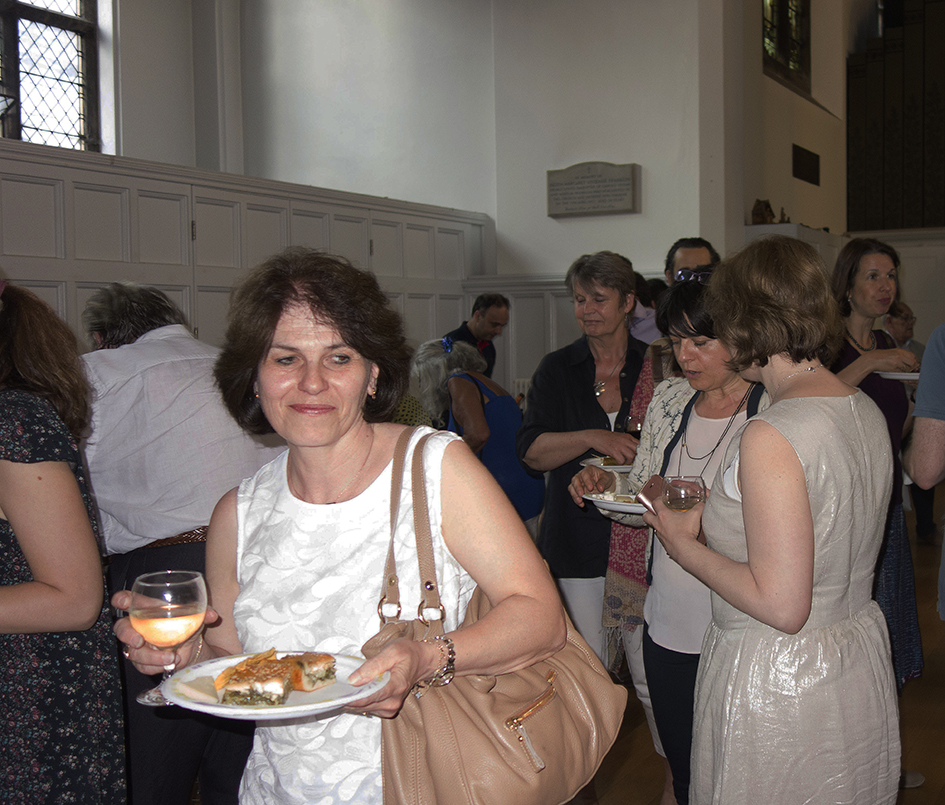
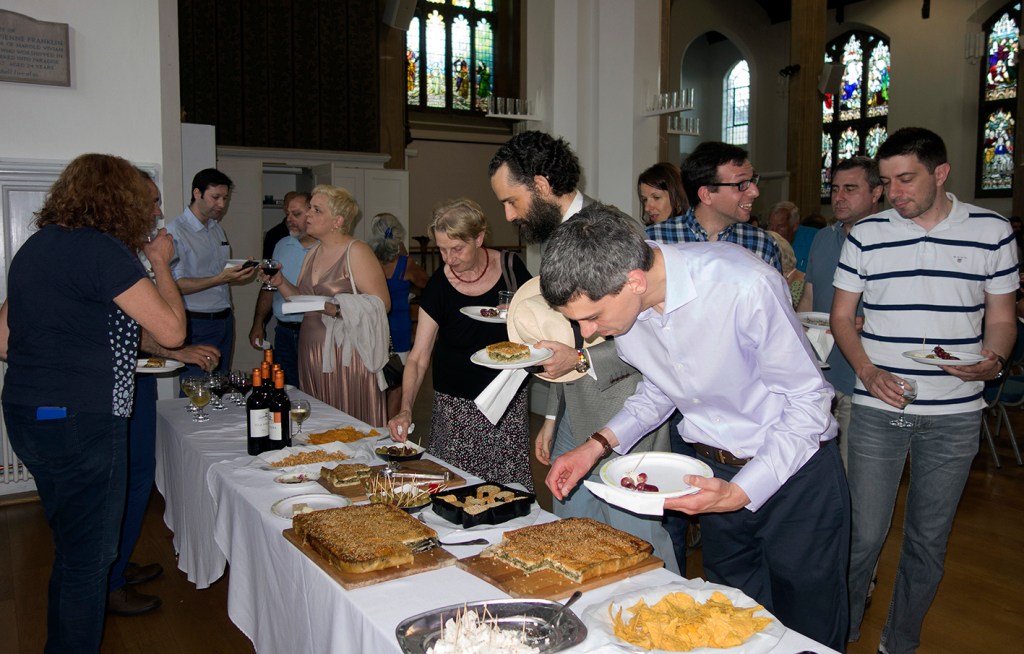
The event was attended by approximately 80 adults and was followed by a get together with sweet and savoury nibbles as well as juice and wine. Due to popular demand, Kostis and Theofilos played some more music at the end so that people could dance.





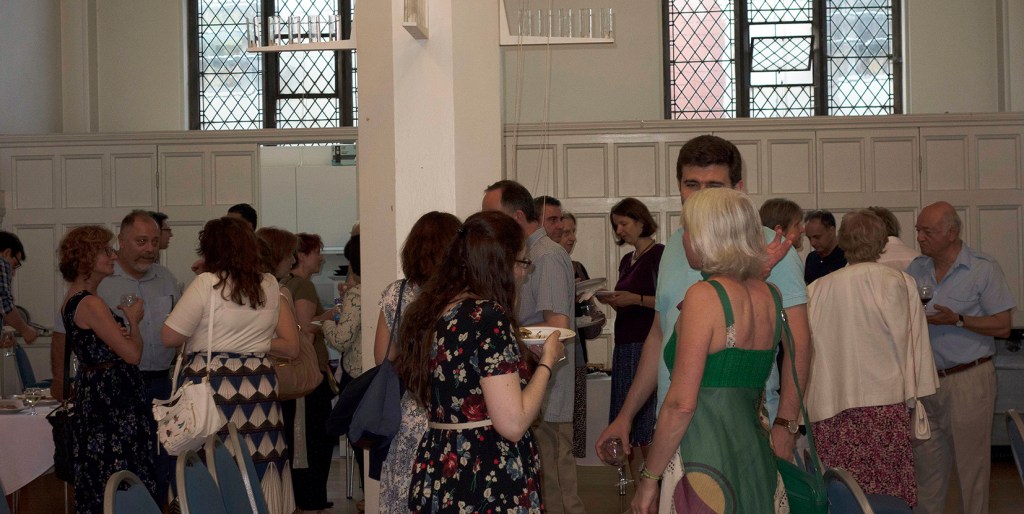
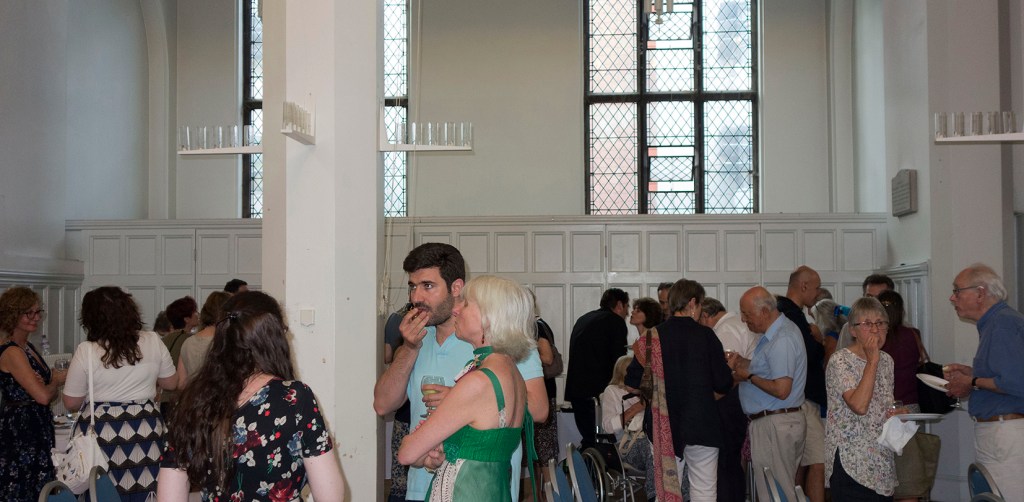

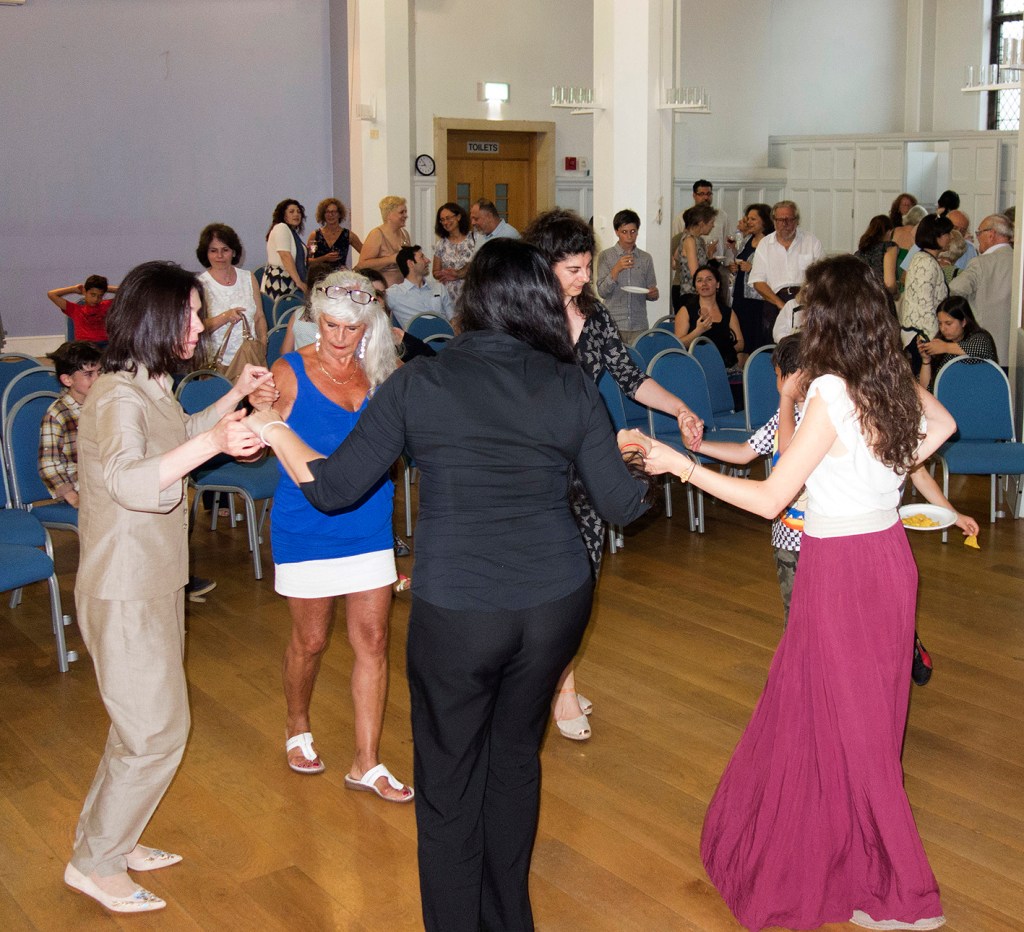
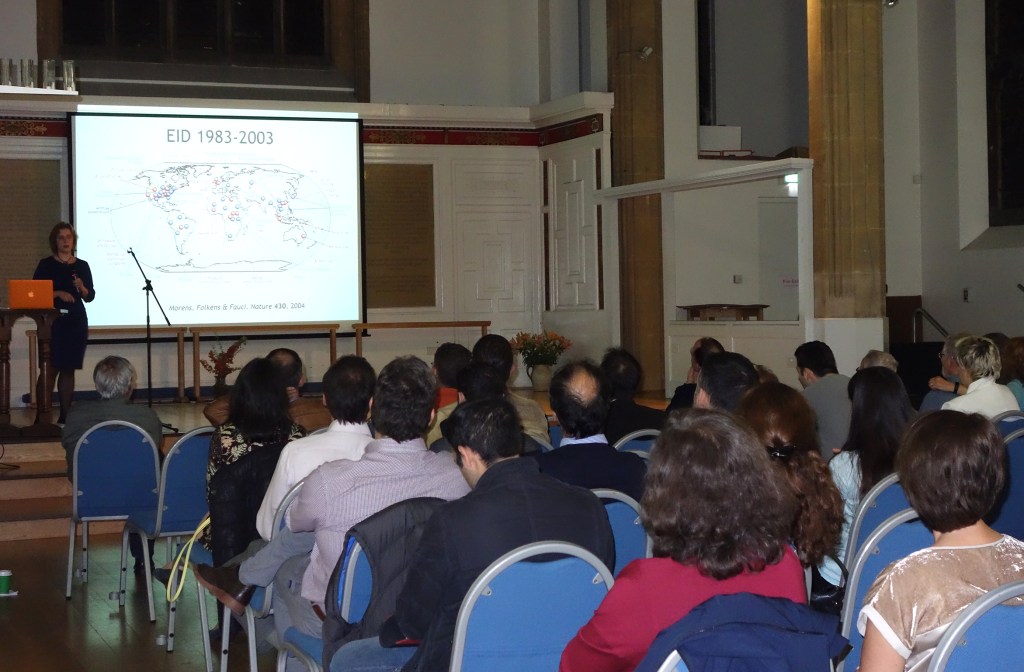
The fourteenth event of the Society was held on Sunday October 8th at St Paul’s Centre and it was a talk by our distinguished member and Trustee Effrossyni Gkrania-Klotsas who works at the Cambridge Infectious Diseases Research Centre (http://www.infectiousdisease.cam.ac.uk/directory/eg318@cam.ac.uk). The title of the talk was “THE EPIDEMICS OF THE MODERN ERA: FROM SUPERBUGS TO ZIKA and EBOLA, WHY AND HOW DO NEW INFECTIONS EMERGE?”
In a very excellent presentation that impressed the audience, Effrossyni discussed why do epidemics happen, why do new infections emerge all the time, what can we do to prevent the end of antibiotics and can we stop the next outbreak? Throughout her talk, Effrossyni used examples from her own work to illustrate how infections are monitored worldwide, and what the current trends may be.
The event was well attended and there as a crèche for young children before the wine and cheese reception.



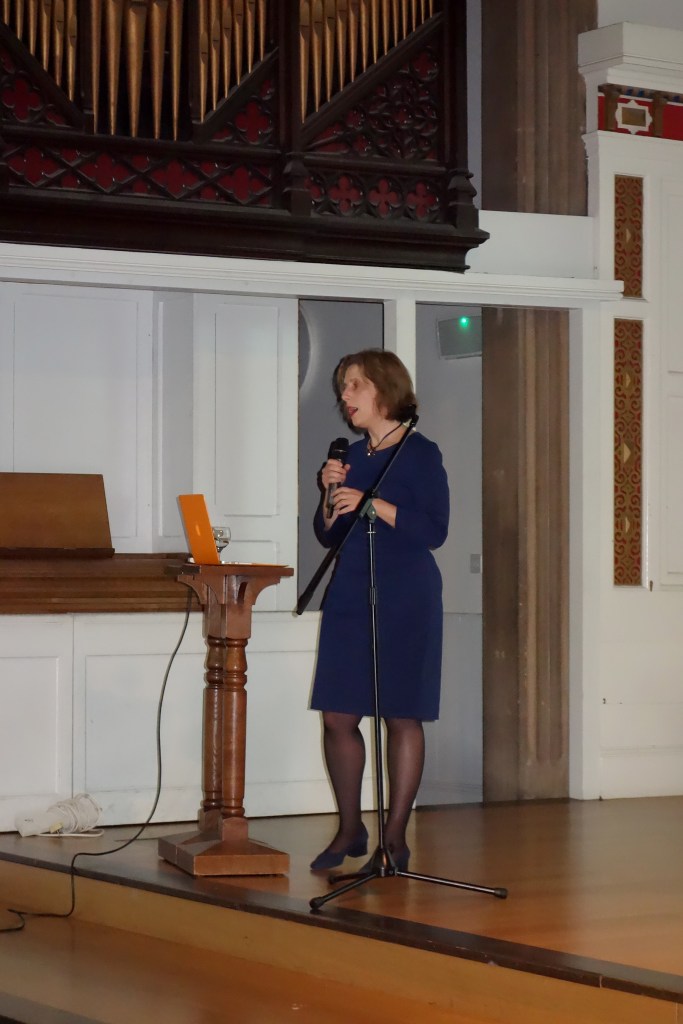
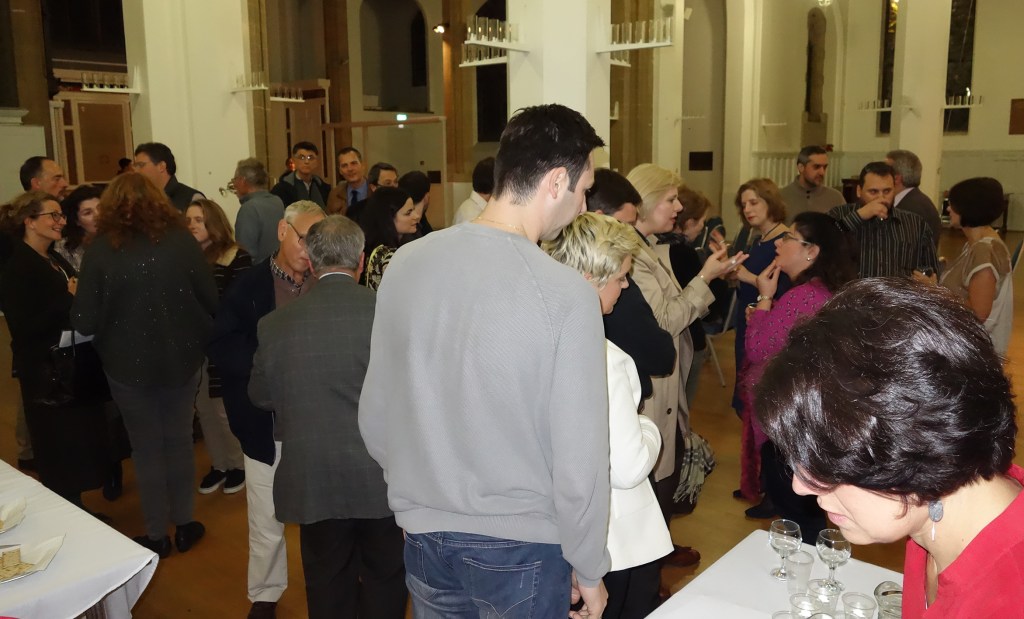
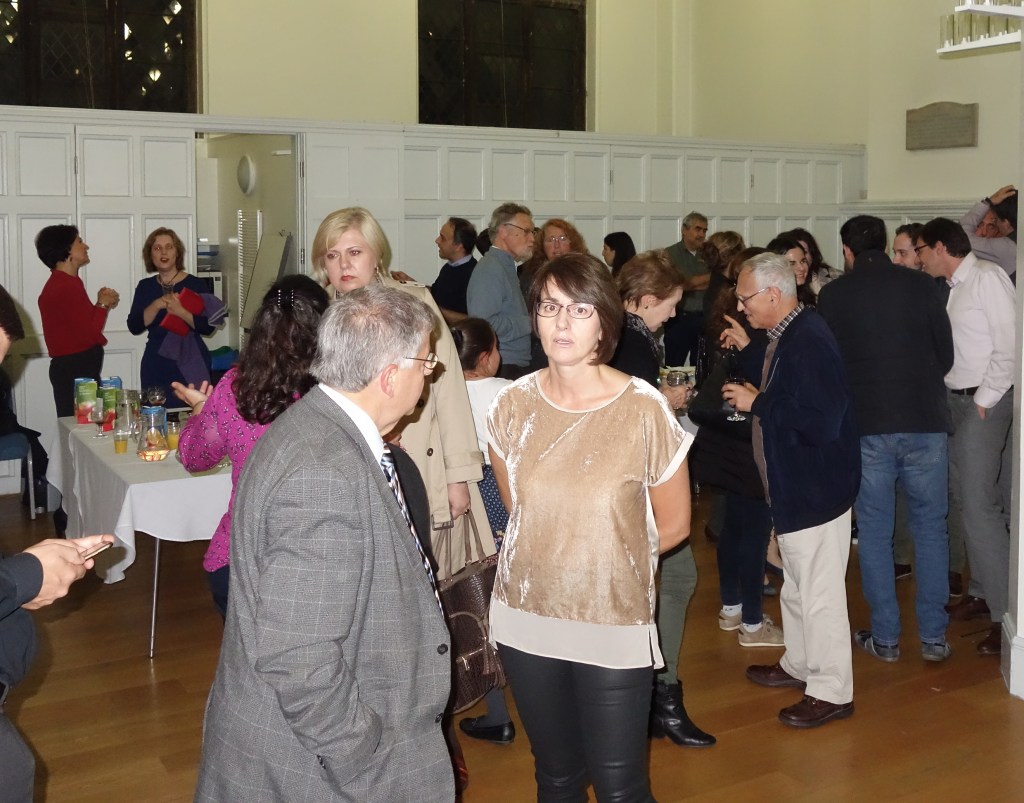
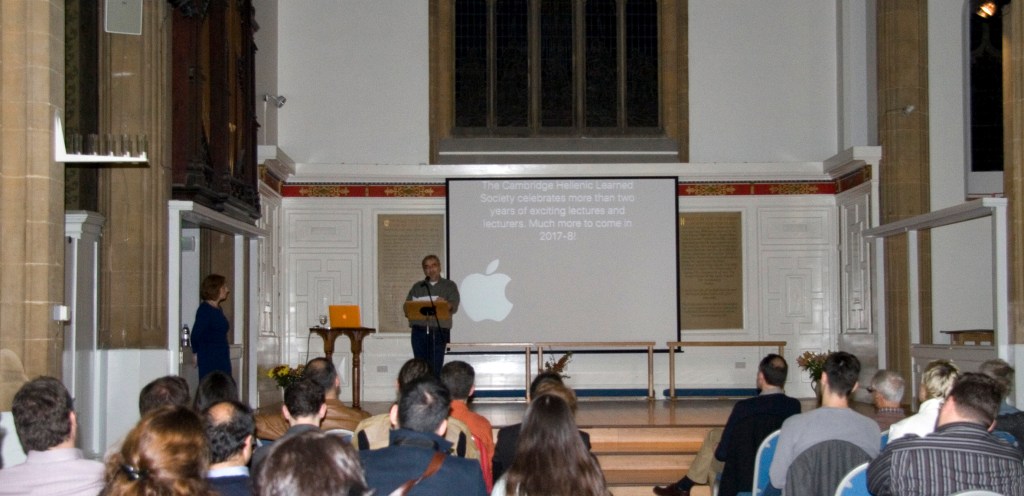
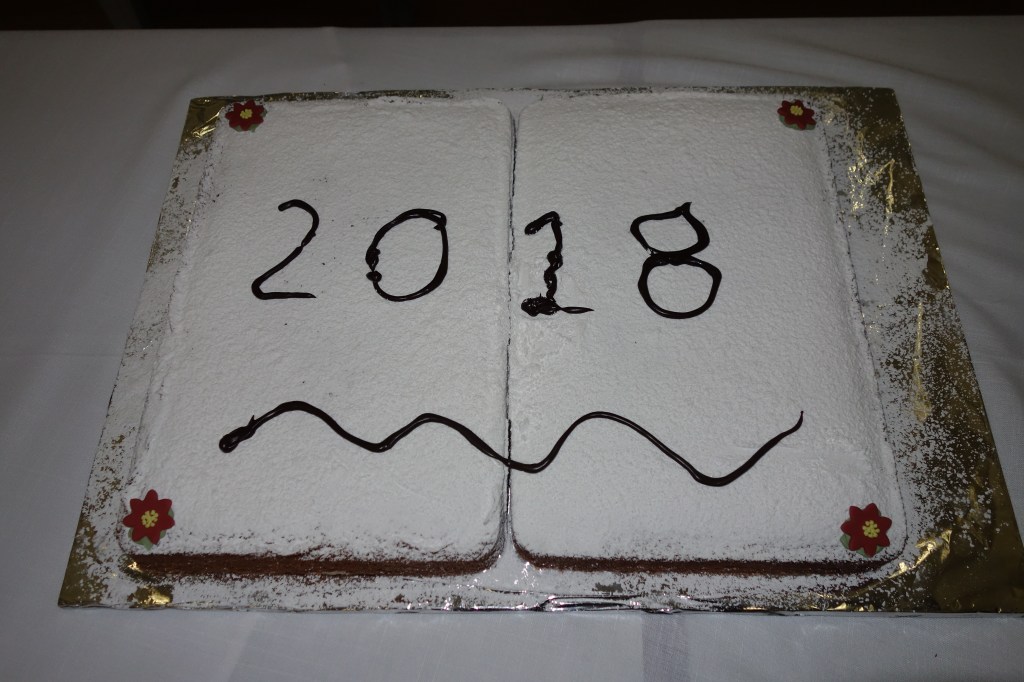
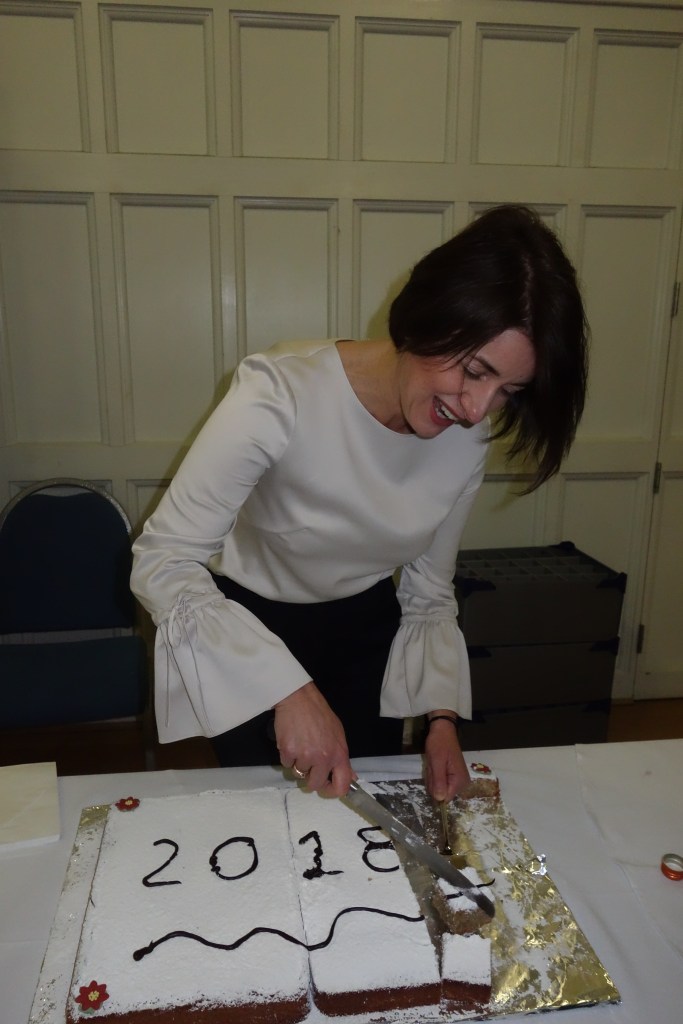
The fifteenth event of the Society was held on Saturday, January 20th 2018 at St Paul’s Centre and was jointly organised with the Society for Modern Greek Studies at the University of Cambridge. This event was quite a departure from our previous events. Here, we invited authors and publishers to present their recent books with a Greek focus. We had also invited the poet Harris Psarras to read from his recent work. At the end of the event, we cut the Vasilopita of the Society, expertly made this year by Regina.


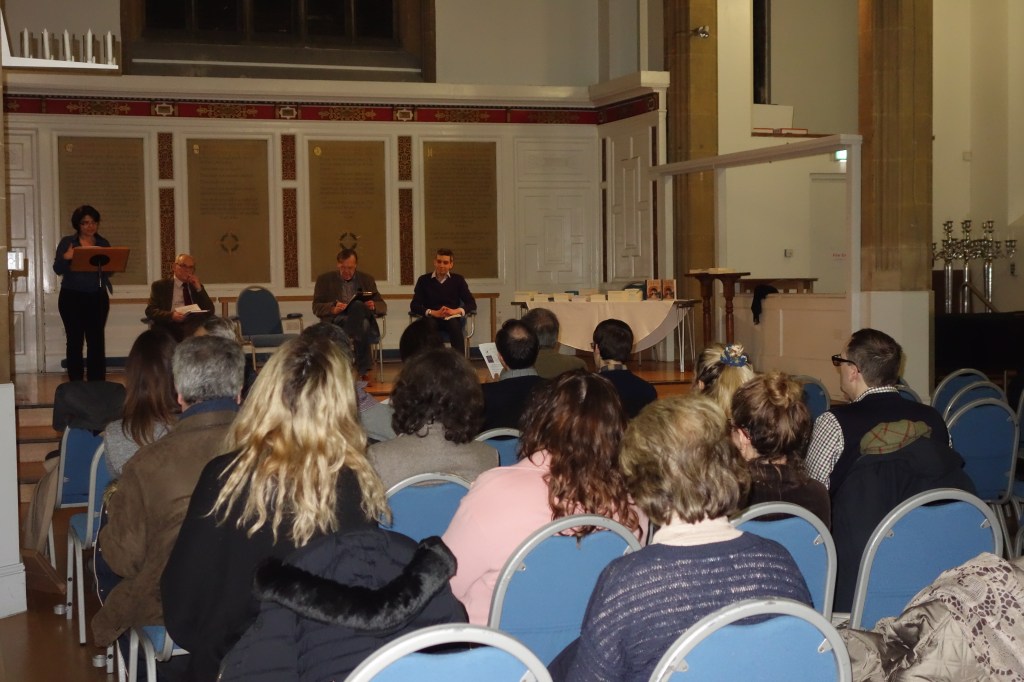
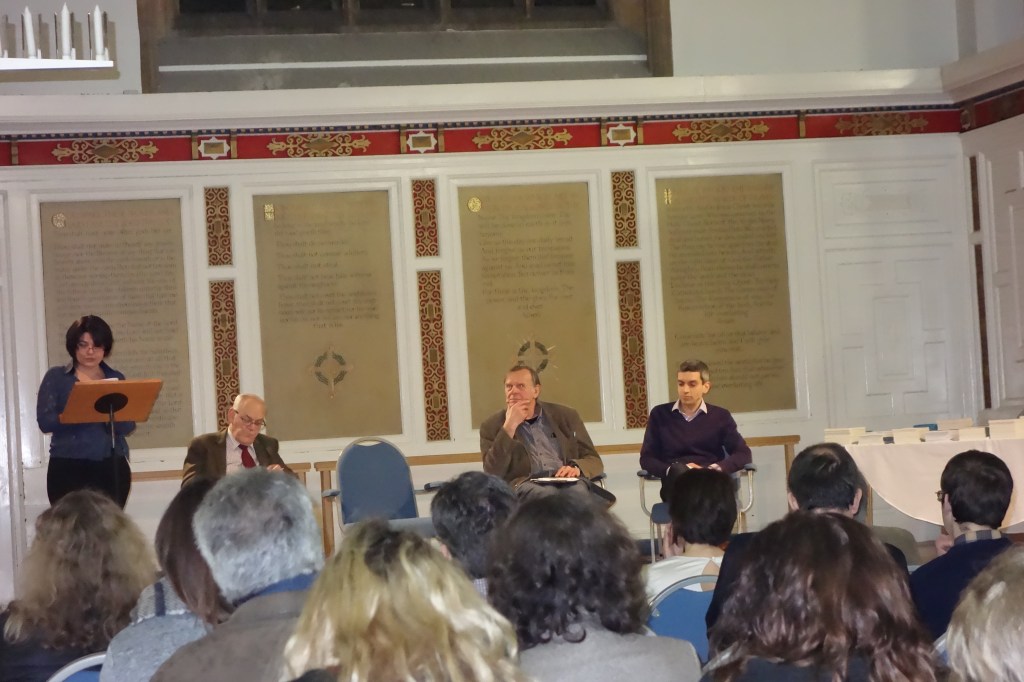


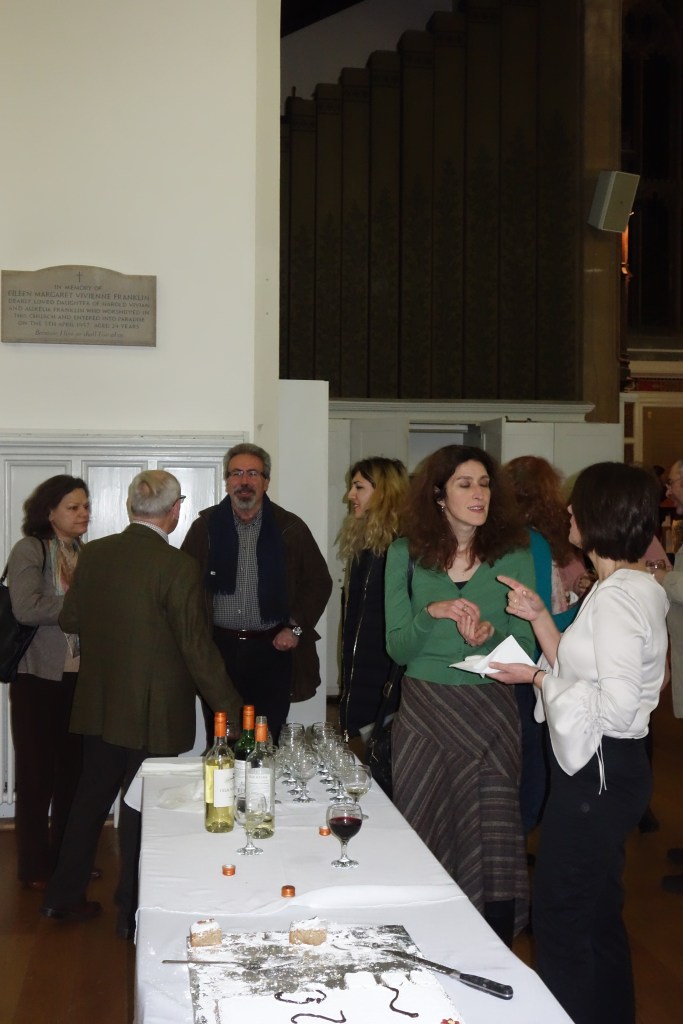
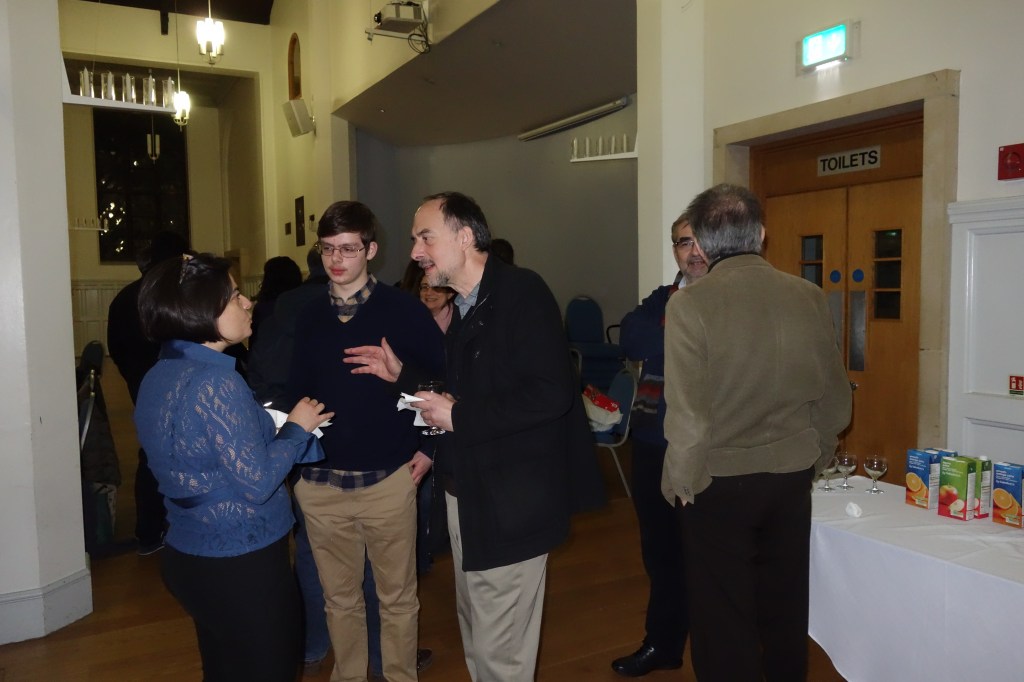
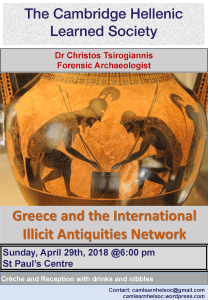
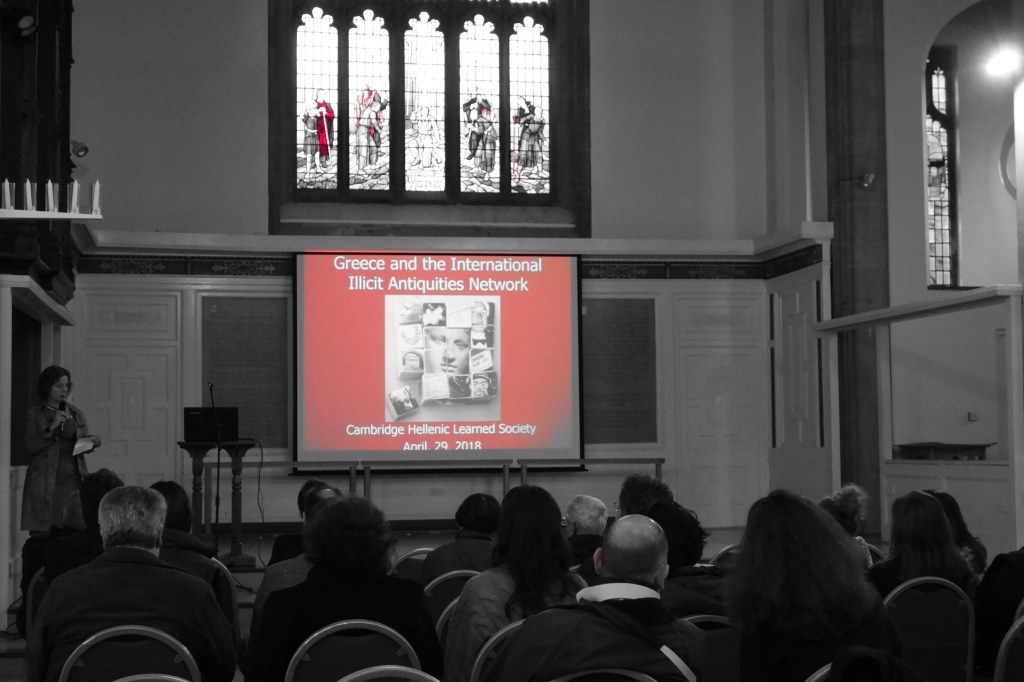
The sixteenth event of the Society was held on Sunday April 29th 2018 at St Paul’s Centre and it was a talk by our member Dr Christos Tsirogiannis, a Forensic Archaeologist, on the important topic of “Greece and the International Illicit Antiquities Network”. Dr Tsirogiannis has been personally involved in uncovering some scandalous cases of antiquities theft (see for example https://www.nytimes.com/2017/07/31/arts/design/ancient-vase-seized-from-met-museum-on-suspicion-it-was-looted.html) and his talk was extremely illuminating on this type of activity and how National Governments react to it.
The event was well attended, and there was a crèche for young children before the wine and cheese reception.

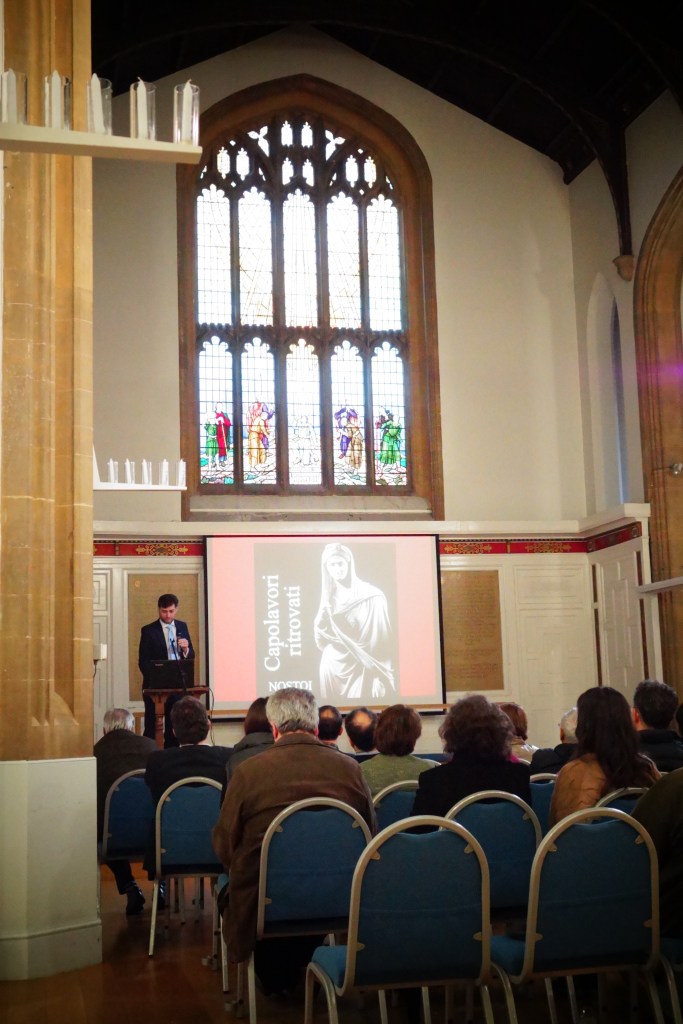


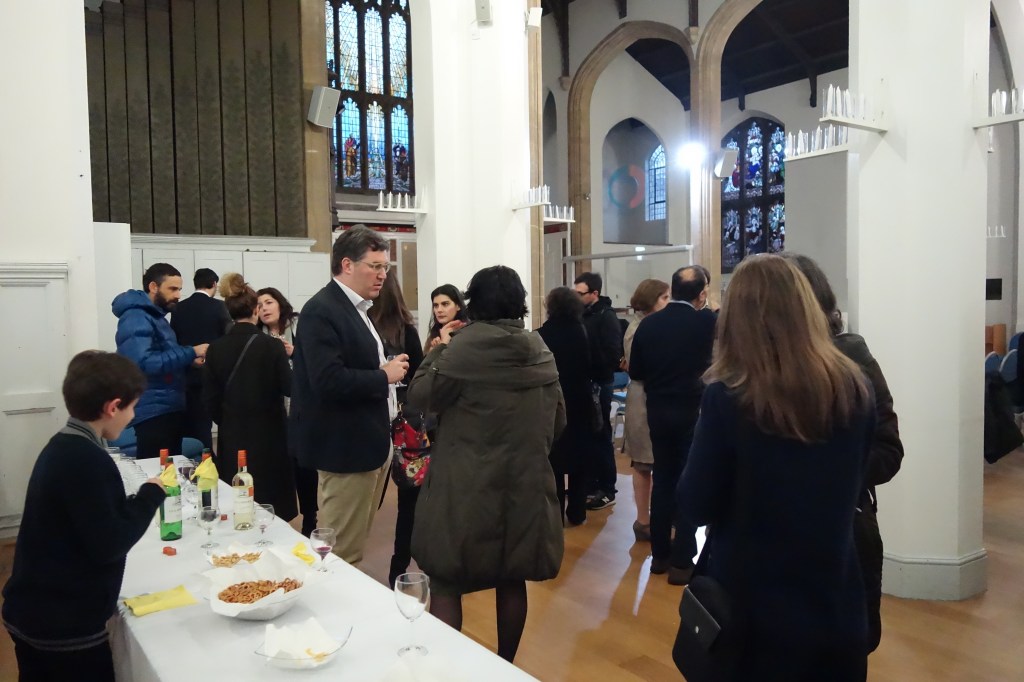
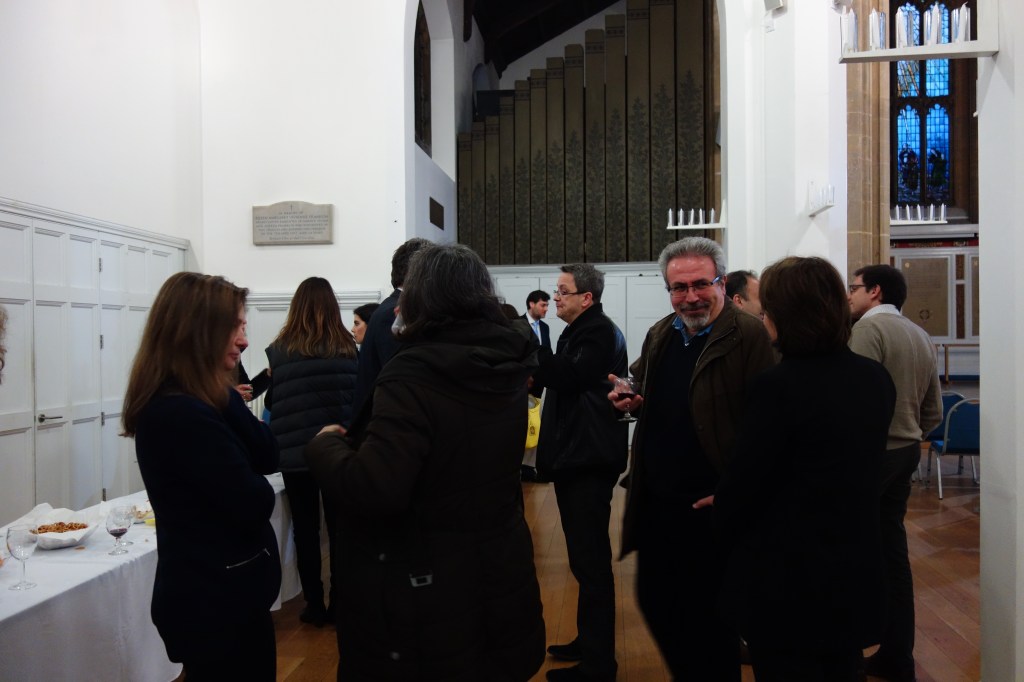

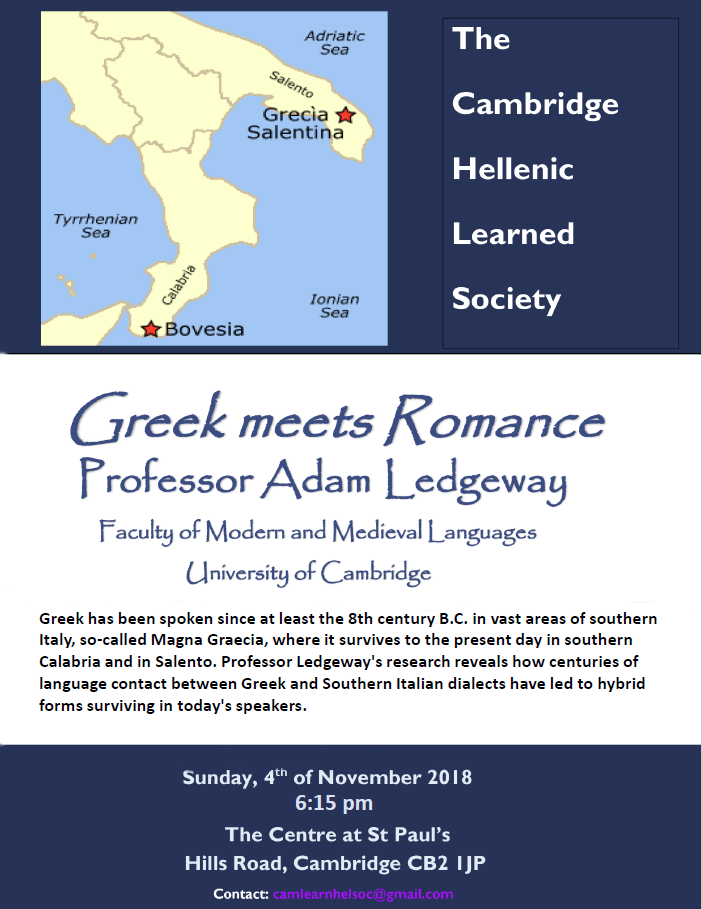
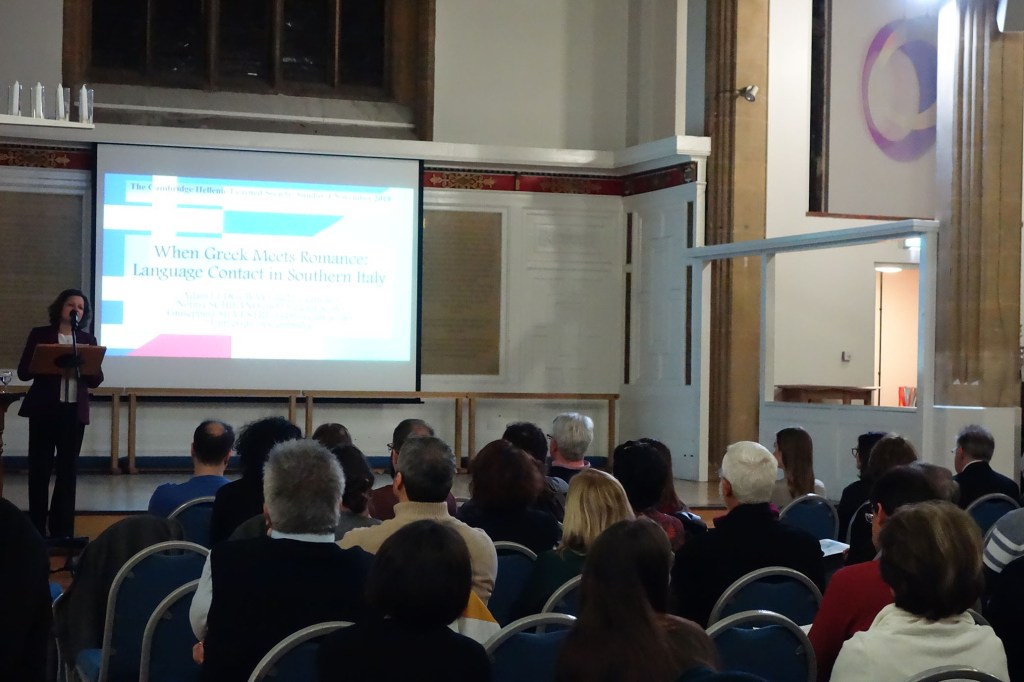
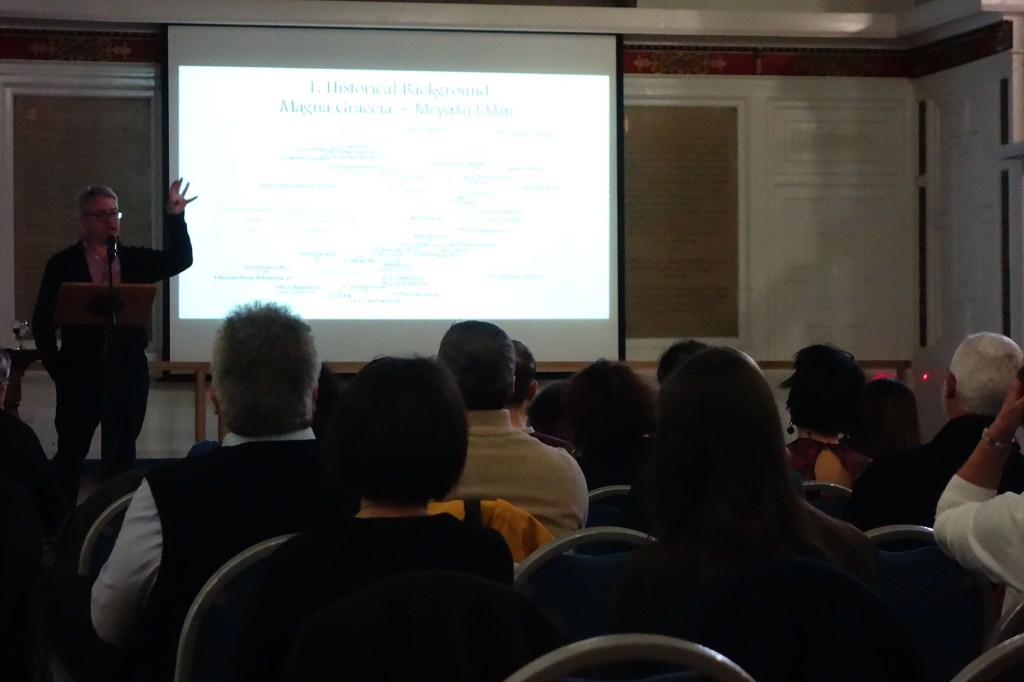
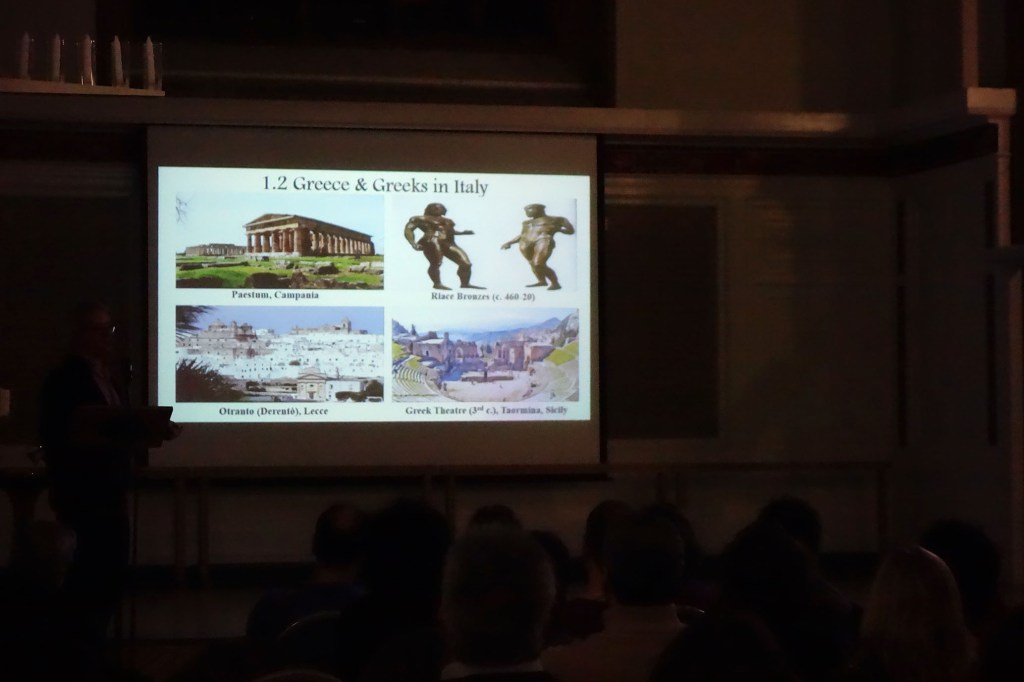
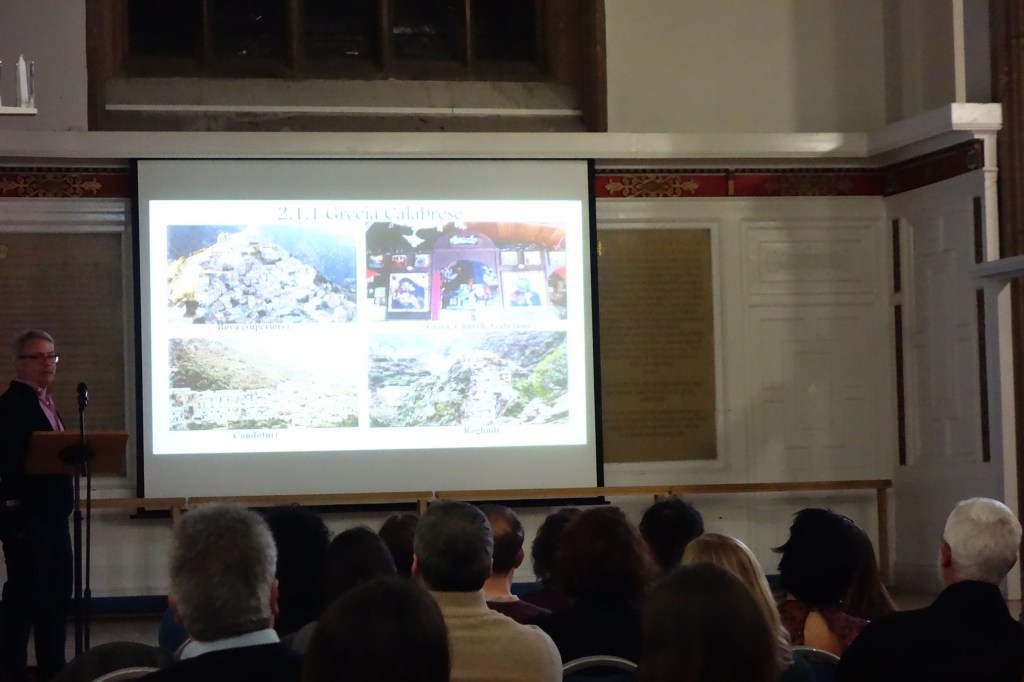
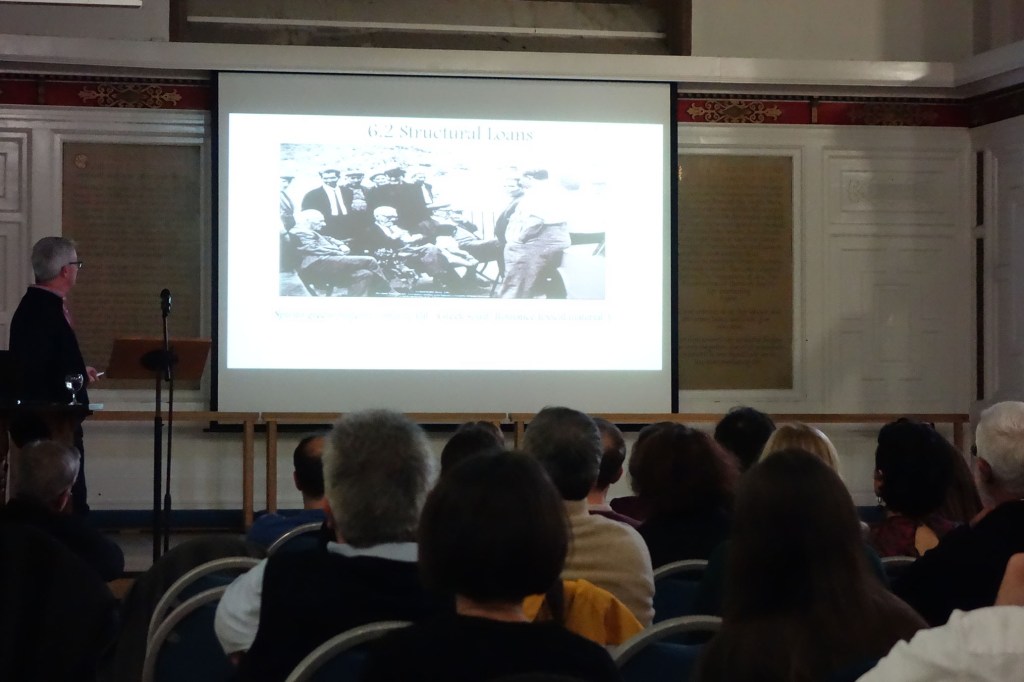
The seventeenth event of the Society was held on Sunday, November 4th 2018 at St Paul’s Centre and was a talk by Professor Adam Ledgeway, University of Cambridge on the persistence of elements of the Greek language in areas of southern Italy, in a hybrid Greek/Italian form. It was a fascinating topic, and we were fortunate to have one of the world’s top experts to develop it for us.


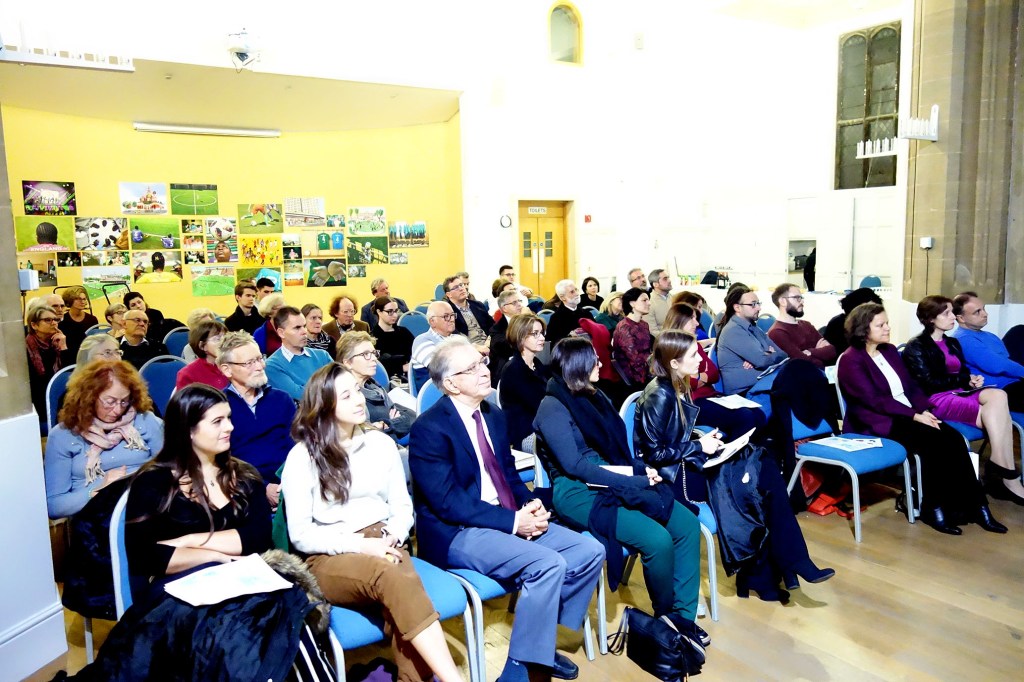

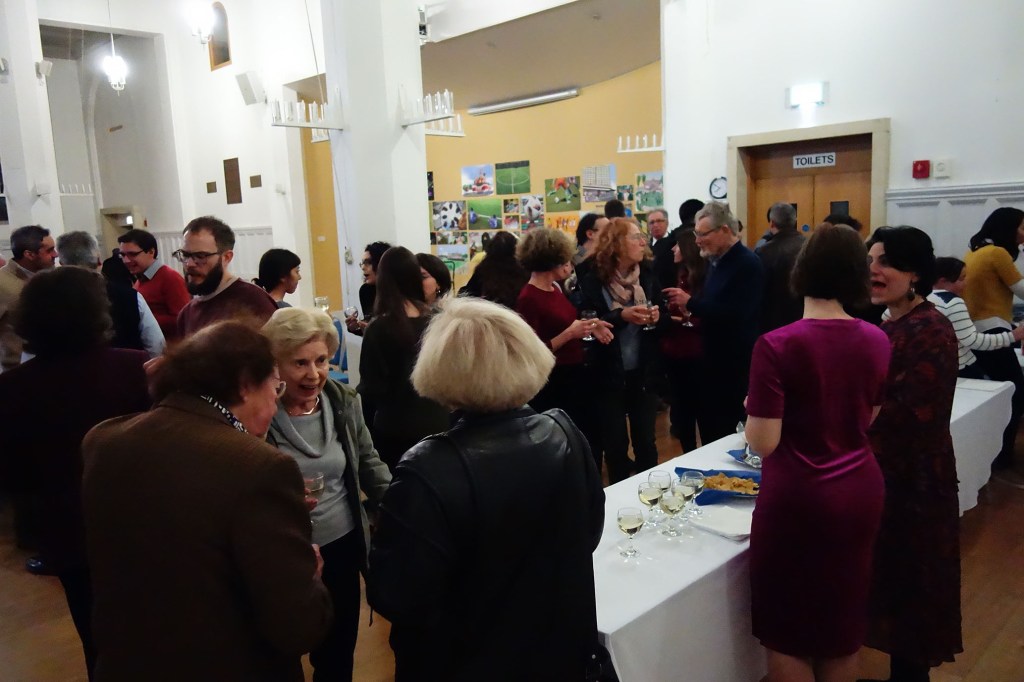
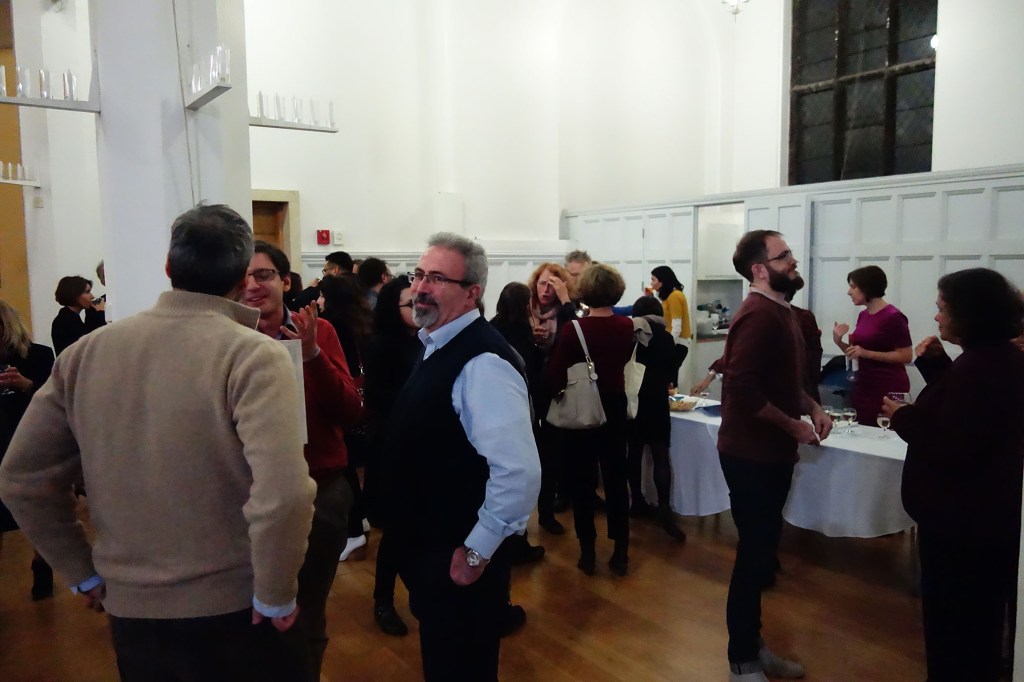
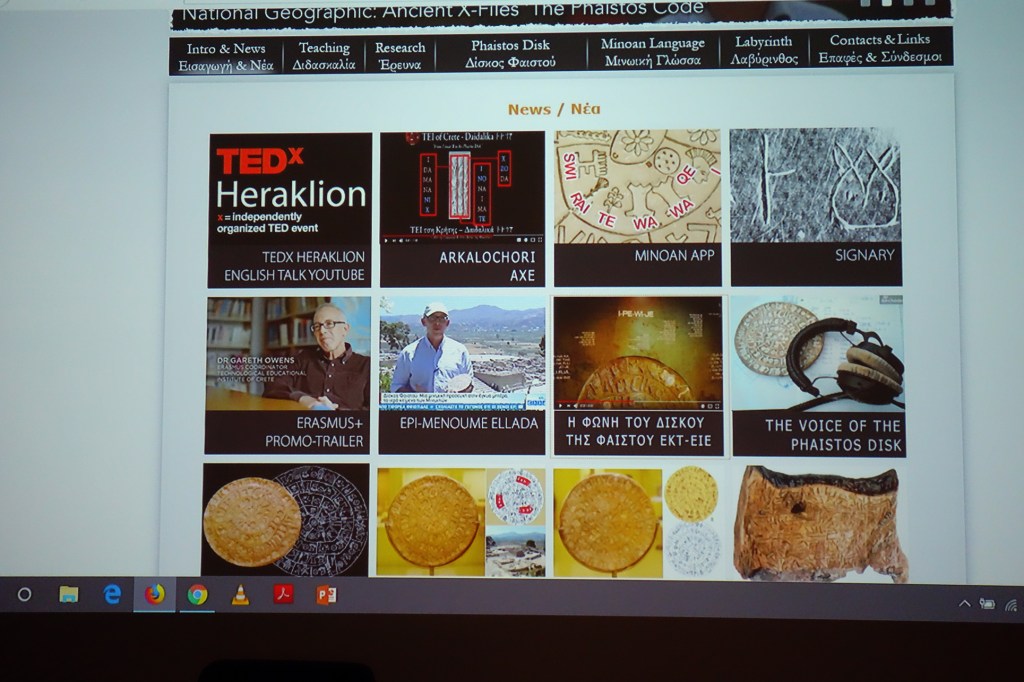
The eighteenth event of our Society was held on Sunday, February 3rd 2019 at Murray Edwards College. Together with the cutting of the Vasilopita expertly prepared by Effrossyni, we heard a talk by Gareth Owens, a UK trained linguist who now works at TEI of Crete. Gareth has spent many years trying to decipher the Phaistos Disk, a rather mysterious and controversial inscription found at the archaeological site of Phaistos near the beginning of last century. Gareth described his current efforts in deciphering the writing of the Disk in collaboration with Professor John Coleman in Oxford. Their work has allowed them to believe that they can decipher over 99% of the symbols. Gareth also described his interpretation of what the symbols mean.
The event was well attended. Although there was no official crèche we did have a number of young children who either listened to the talk or were kept entertained in the back by their parents’ phones!!




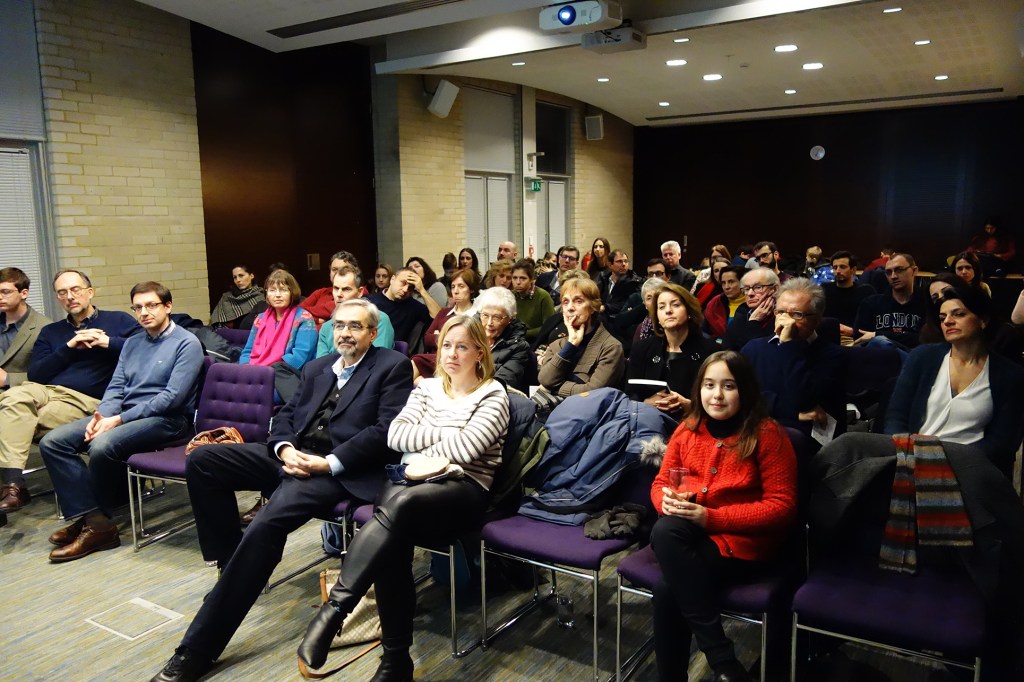


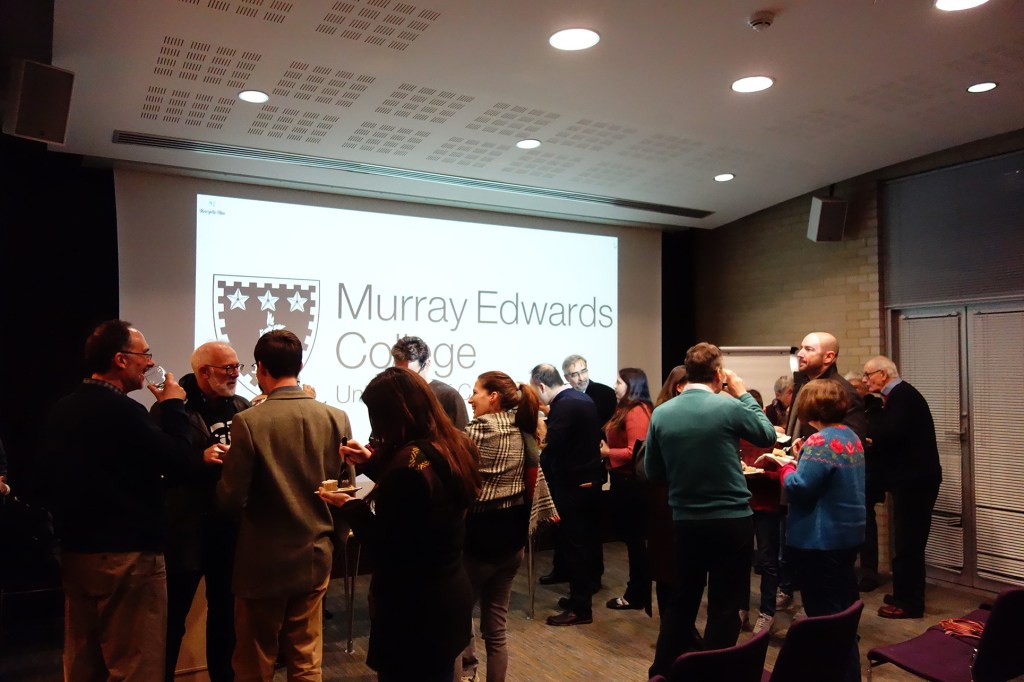
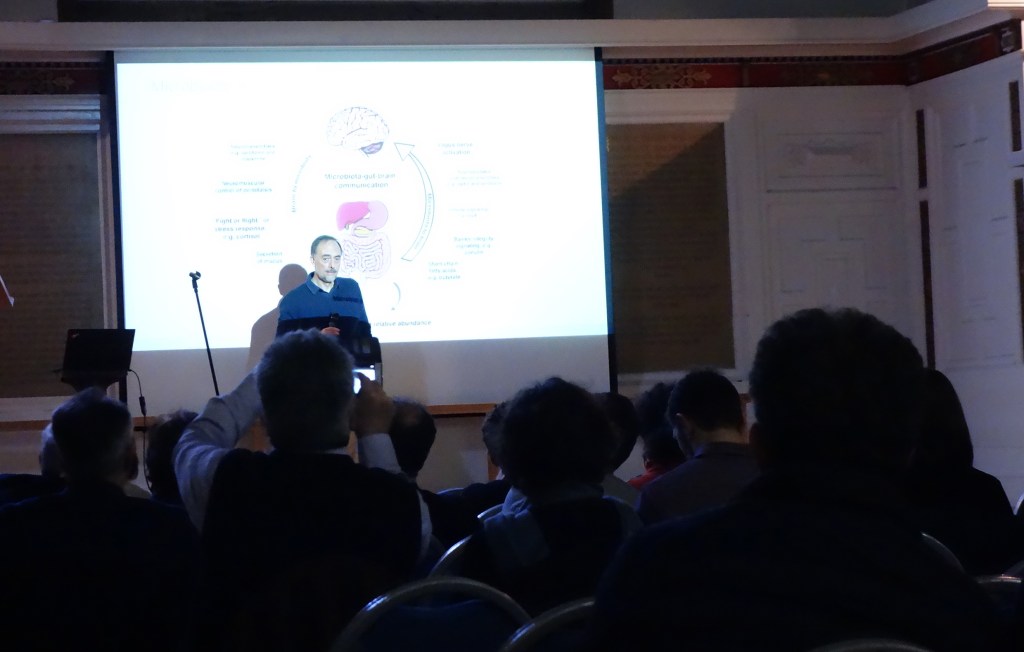
The nineteenth event of our Society was a talk by Dr Mike Romanos, CEO of Microbiotica and a Trustee, on Saturday, March 9th 2019 at St Paul’s Centre. The title of the talk was “The human microbiome: new biology, new medicine”. Mike described in lay accessible terms what the microbiome is, and how its function is being explored at the clinic and by biotechnology companies in various settings of disease, from irritable bowel syndrome to cancer and even – surprisingly – to neurodegeneration. As CEO of one of the main companies in the field, Mike was extremely well placed to describe this fascinating area of biology and medicine to our members.
The event was well attended, and there was a crèche for young children before the wine and cheese reception.
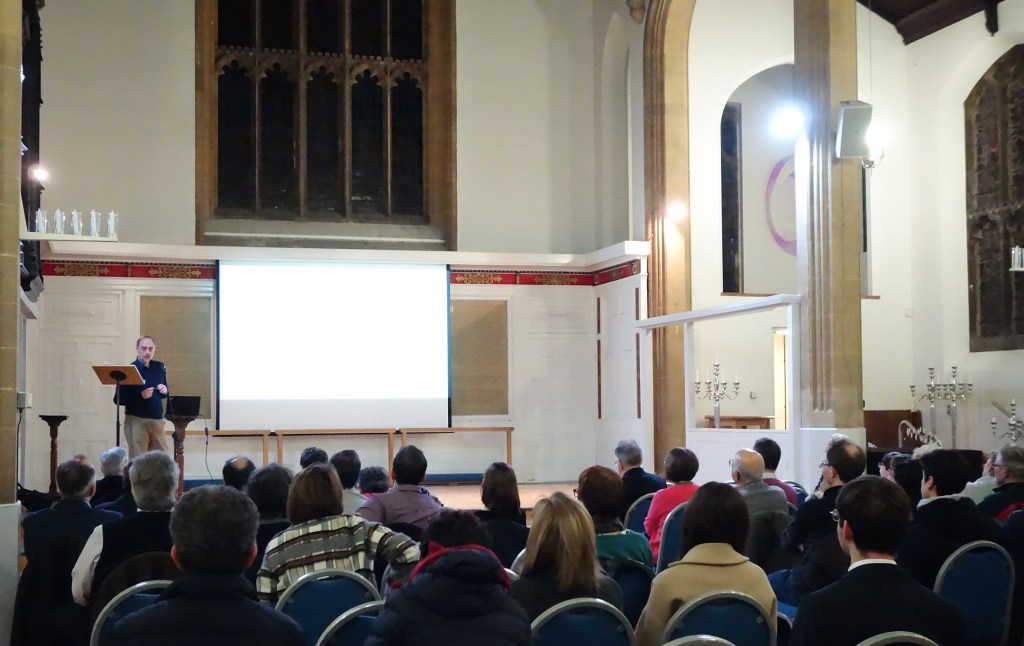


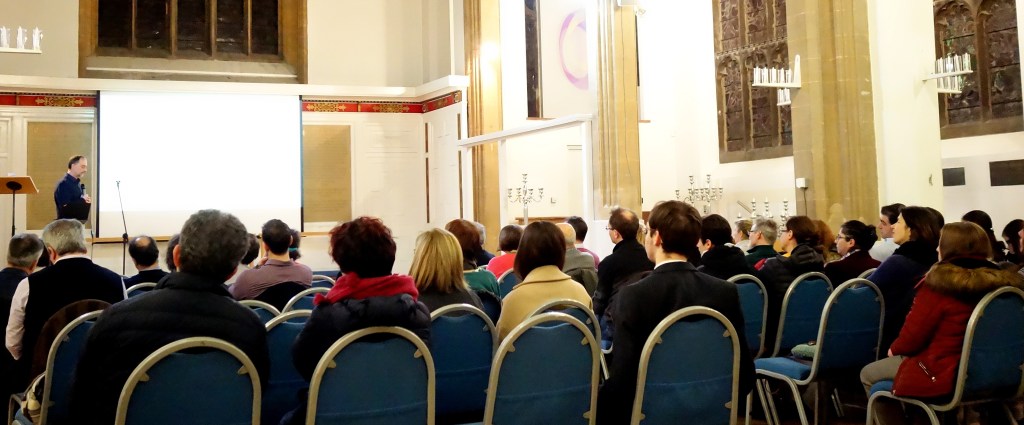

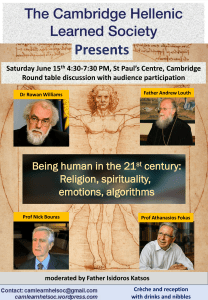
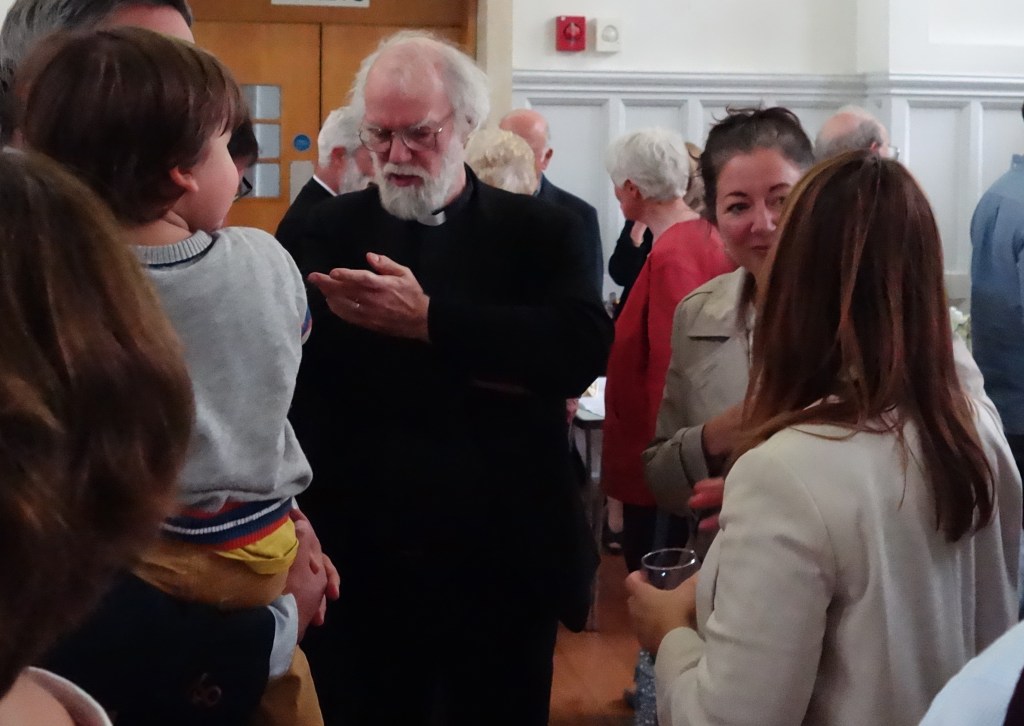
The twentieth event of our Society was a round table discussion on the topic “Being human in the 21st century: religion, spirituality, emotions, algorithms” on Saturday June 15th 2019 at St Paul’s Centre.
Participating in the discussion and focusing their segments to the indicated topics were:
Bishop Rowan Williams (religion/art)
Father Andrew Louth (spirituality)
Professor Nicandros Bouras (emotions)
Professor Thanasis Fokas (algorithms, artificial intelligence)
Father Isidoros Katsos, moderator
After some brief introductory remarks by each of the 4 speakers, there was a short segment where they discussed topics amongst themselves, and then the floor was opened for questions and discussion with participation of the audience. As with all of our events, the discussion was extremely high quality, to the extent that all four speakers commented on it. At the end we had an extended buffet of snacks for everybody.
The event was well attended including local people, and there was a crèche for the young children.
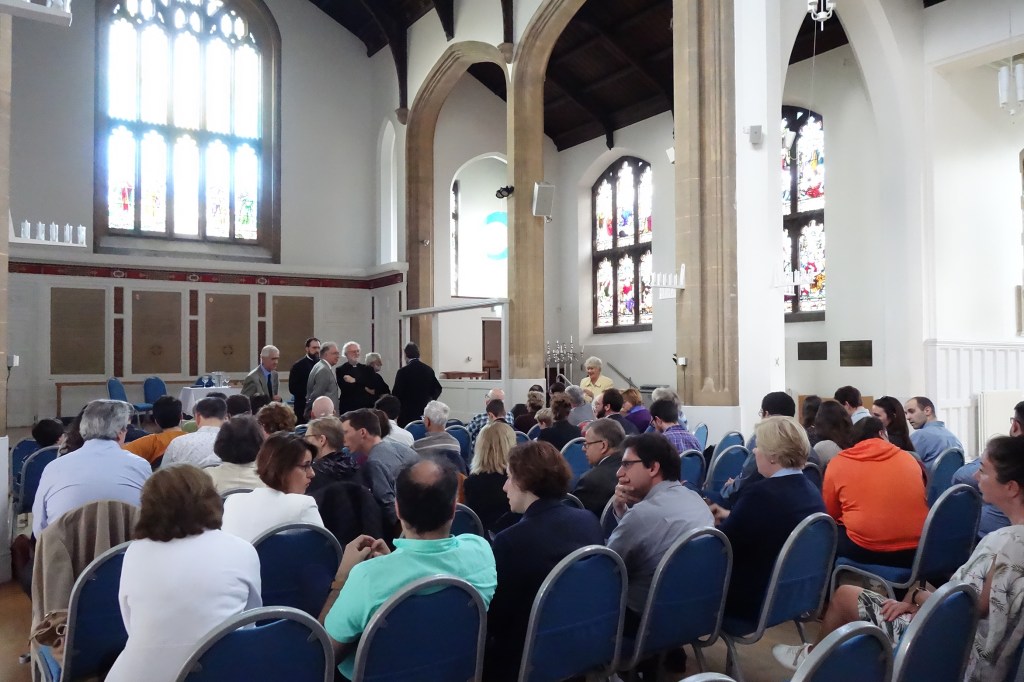

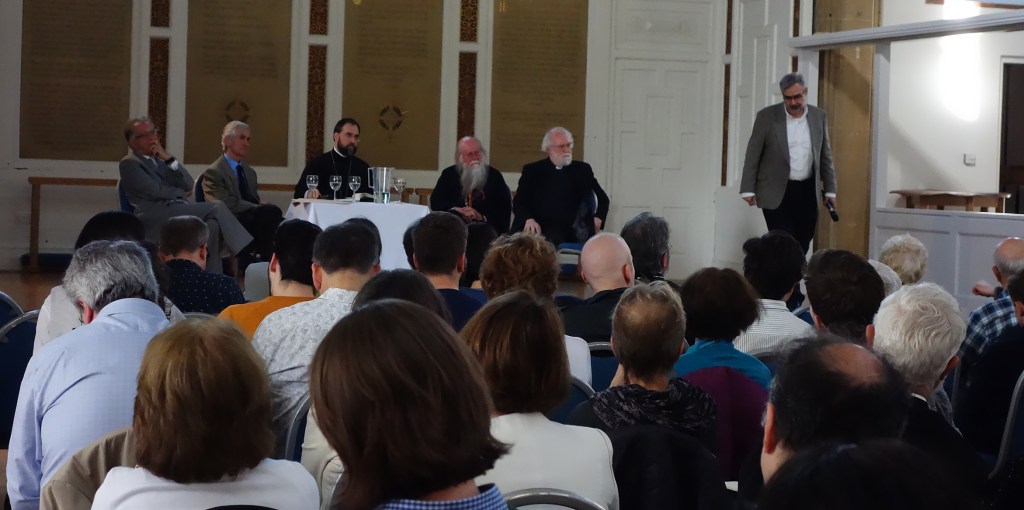
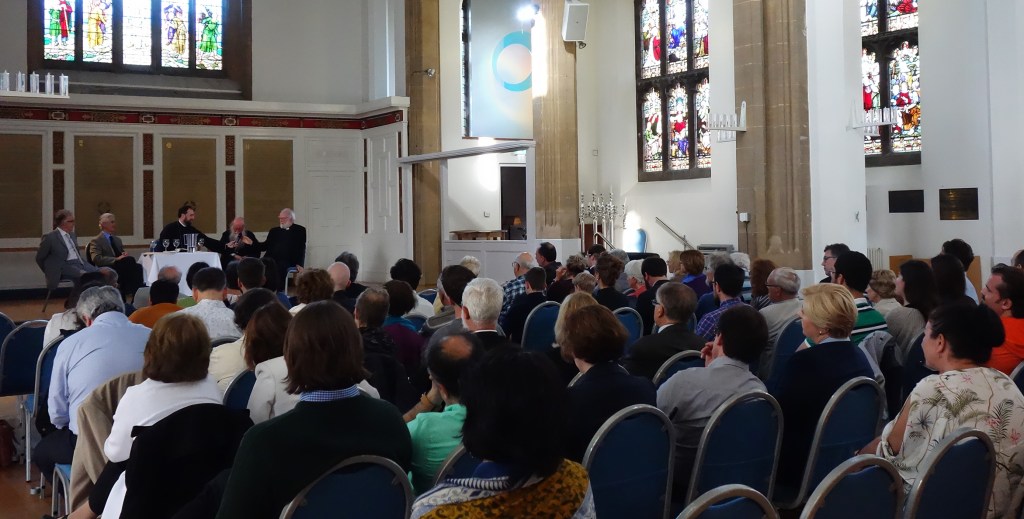
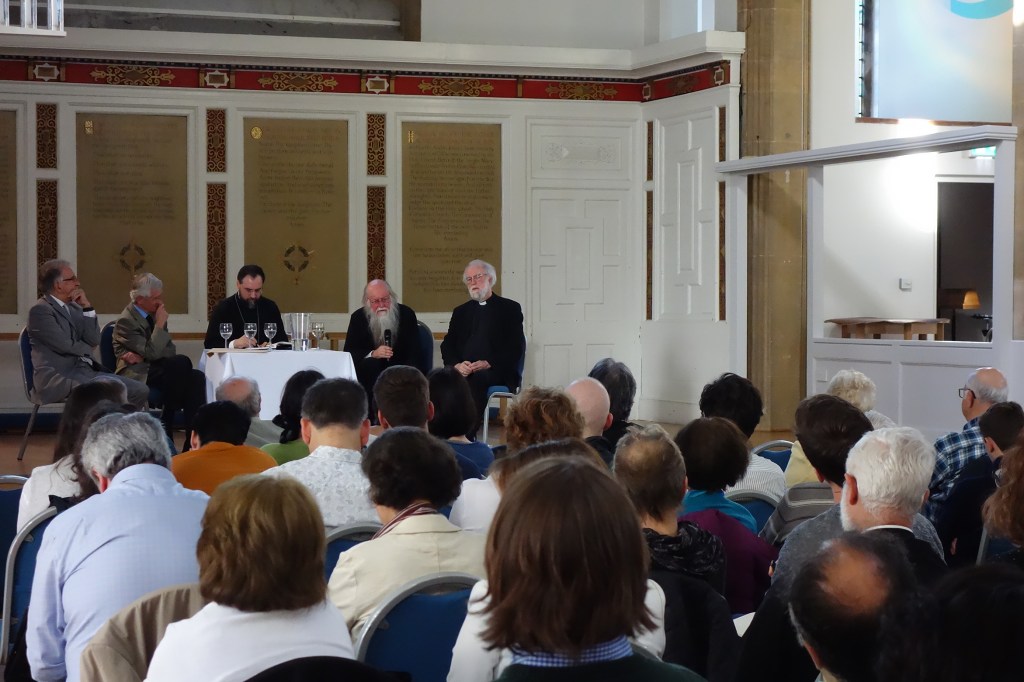

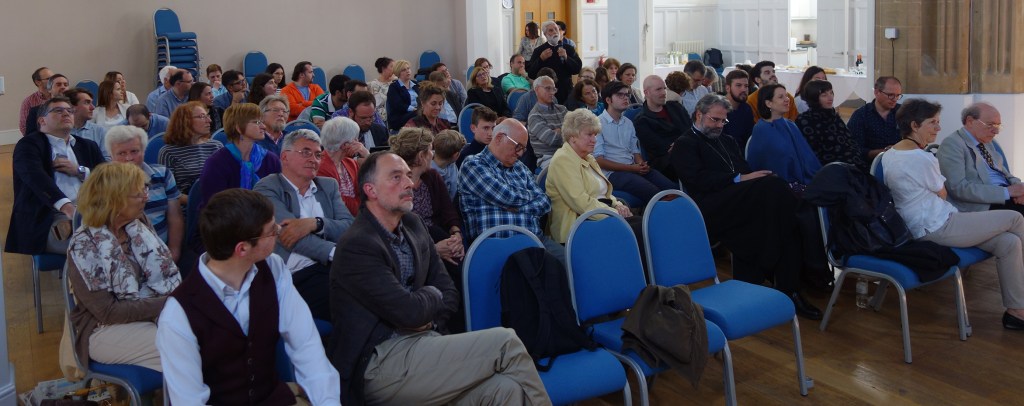
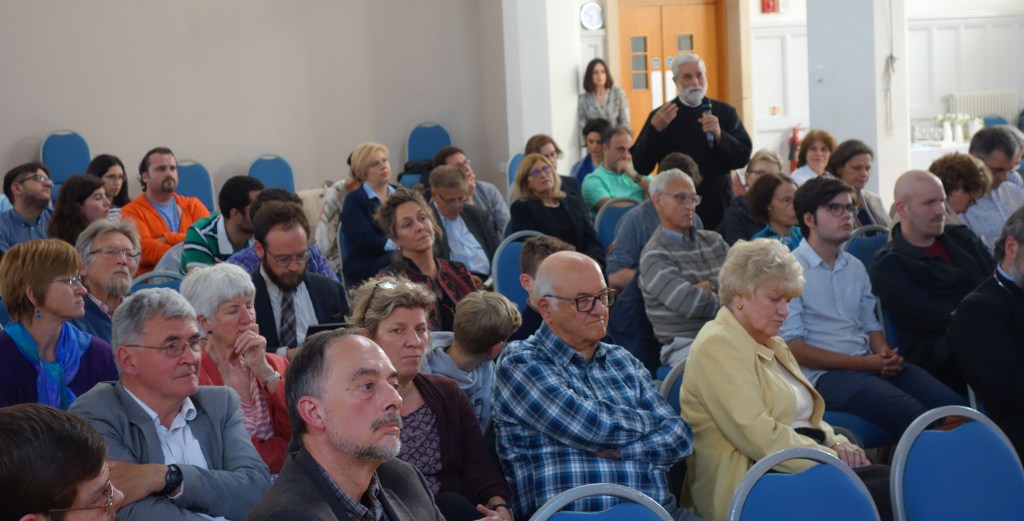
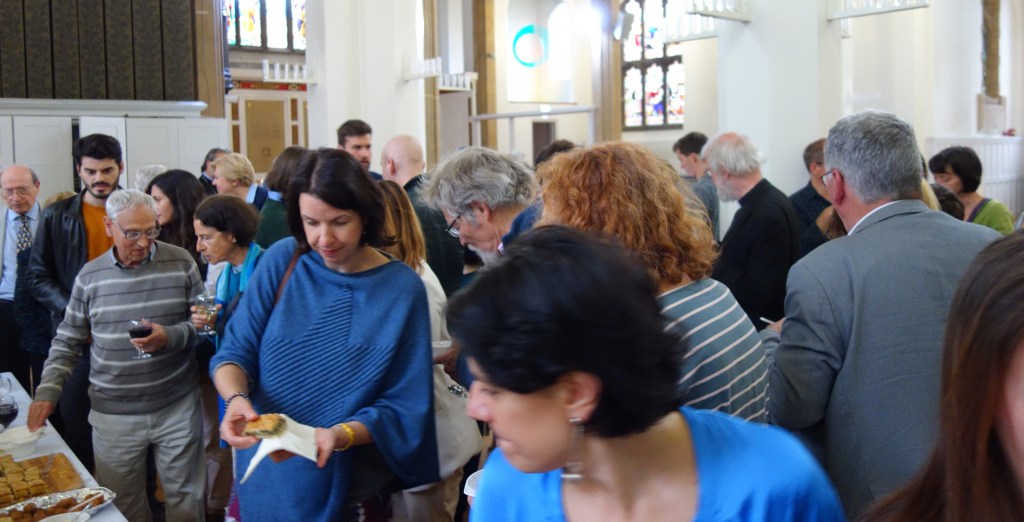
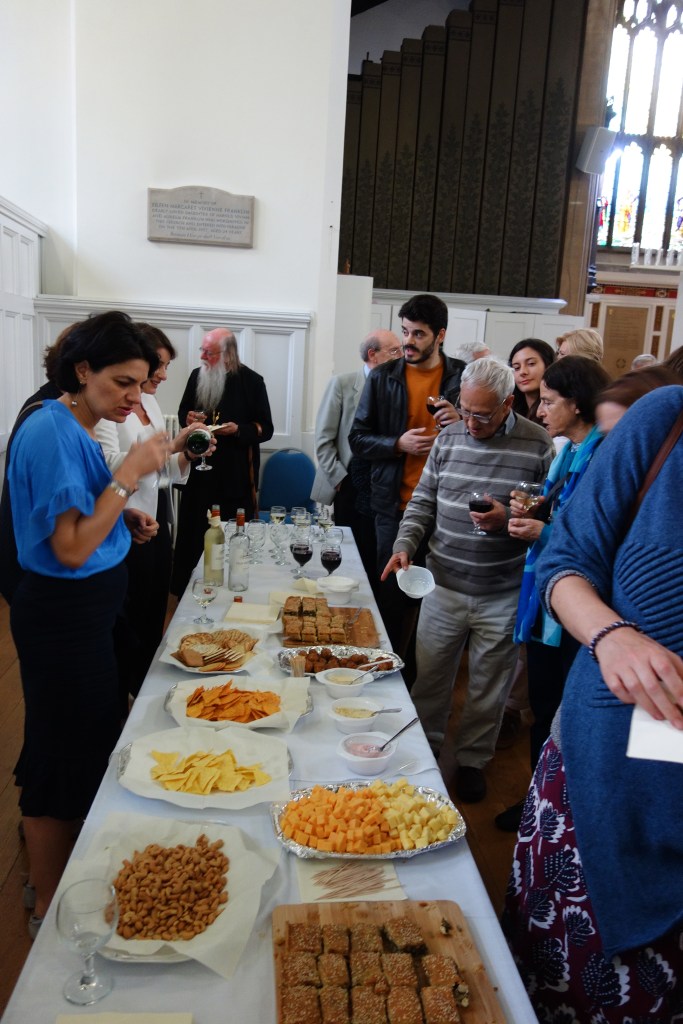


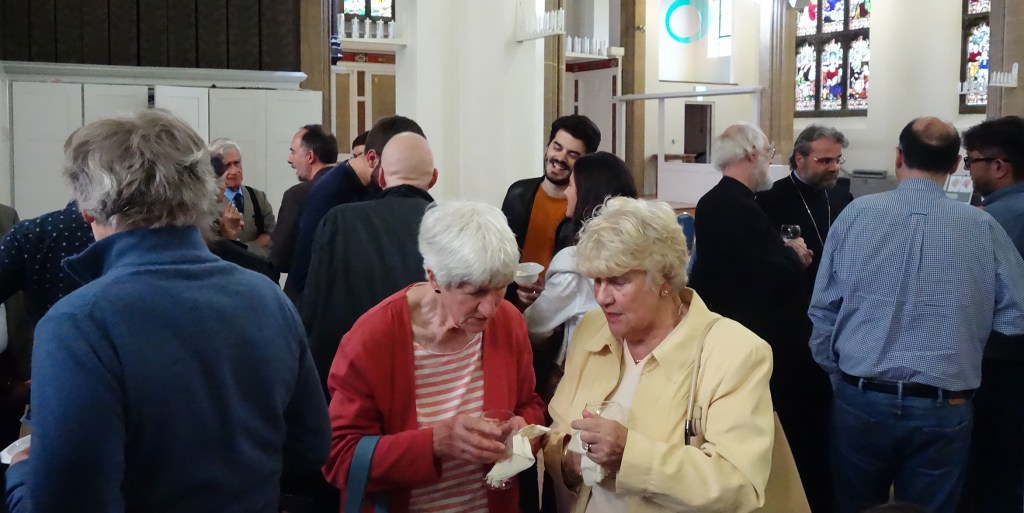

The 21st event of our Society took place on November 24th 2019 at Murray Edwards College. Prof. Gonda van Steen and Dr Othon Anastasakis gave us a very interesting overview of the topic of ‘The Great Migration’ of the Greek diaspora.
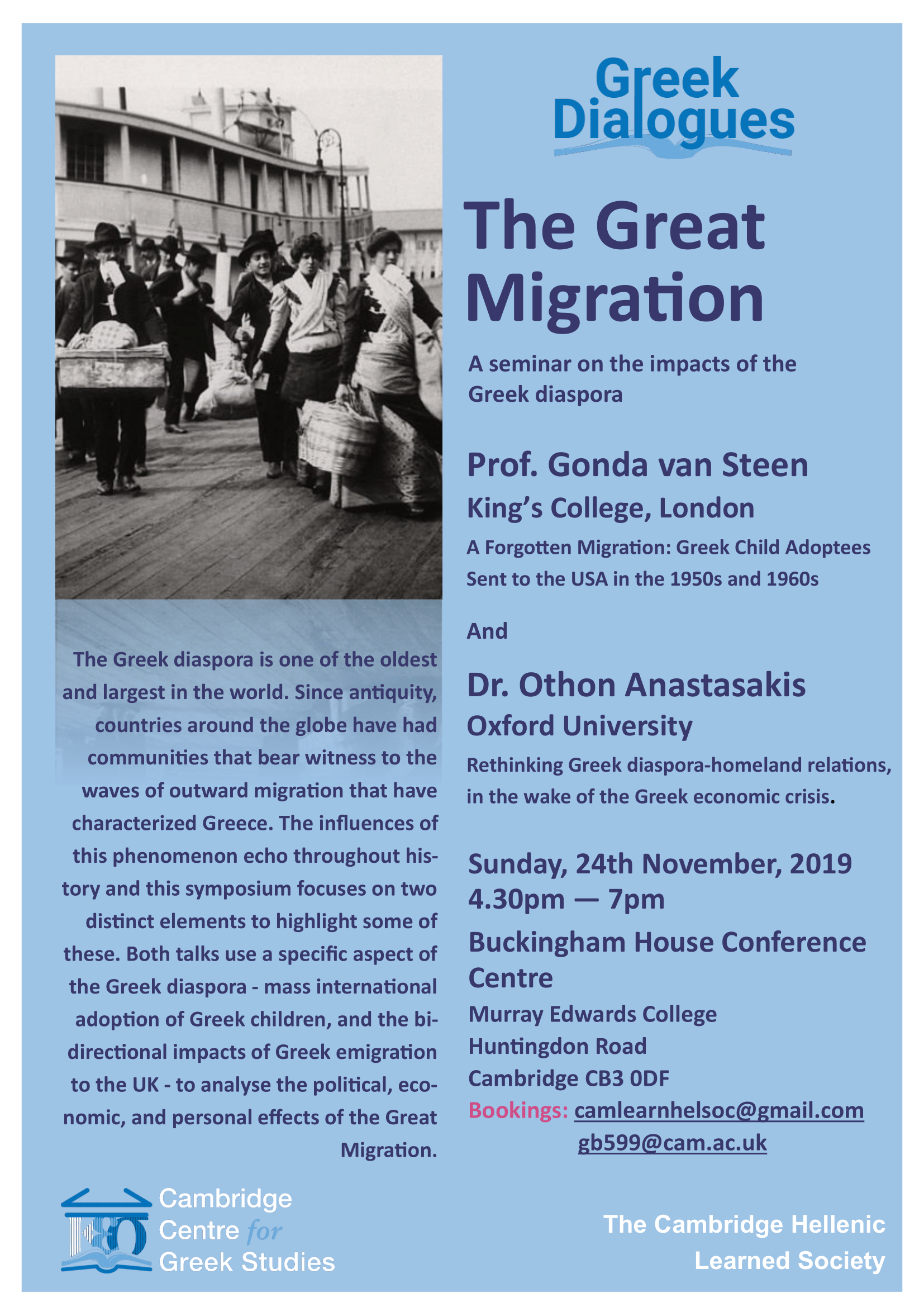
“A Forgotten Migration: Greek Child Adoptees Sent to the USA in the 1950s and 1960s”
by Professor Gonda van Steen, King’s College, London (https://www.kcl.ac.uk/people/gonda-van-steen)&
“Rethinking Greek diaspora-homeland relations, in the wake of the Greek economic crisis” by Professor Othon Anastasakis, Oxford University (https://www.sant.ox.ac.uk/people/othon-anastasakis)
The Society’s 22nd event was a virtual event over Zoom.
In the face of this pandemic which has touched the lives of so many people the Cambridge Hellenic Learned Society is organizing a virtual Q&A on Covid-19 and the current pandemic with Dr Effrossyni Gkrania-Klotsas.
Dr Gkrania-Klotsas is a member and vice president of the Society, an Infectious Diseases Consultant at Cambridge University Hospitals and one of the top experts on viruses and epidemiology in our community and the country.
Dr Gkrania-Klotsas has been involved in the response to the pandemic by Addenbrooke’s University Hospital and she will be able to give us an inside view of what is going on right now in the country and in general.The virtual Q&A event took place over Zoom on Sunday November 8th 2020, at 3 PM and was well-attended.
Questions from the audience were welcomed and answered.
The Society’s 23rd event was a virtual event over Zoom.
Tasoula Hadjitofi was invited to talk about her role in trying to prevent stolen icons from Cyprus from entering the art market. Her book titled “Icon Hunter” relates this story, and it was in fact because of the book that we decided to invite her to talk.
http://www.tasoulahadjitofi.com/about/
We also offered the book to all interested people with the proceeds benefiting the Greek church of St Athanasios.
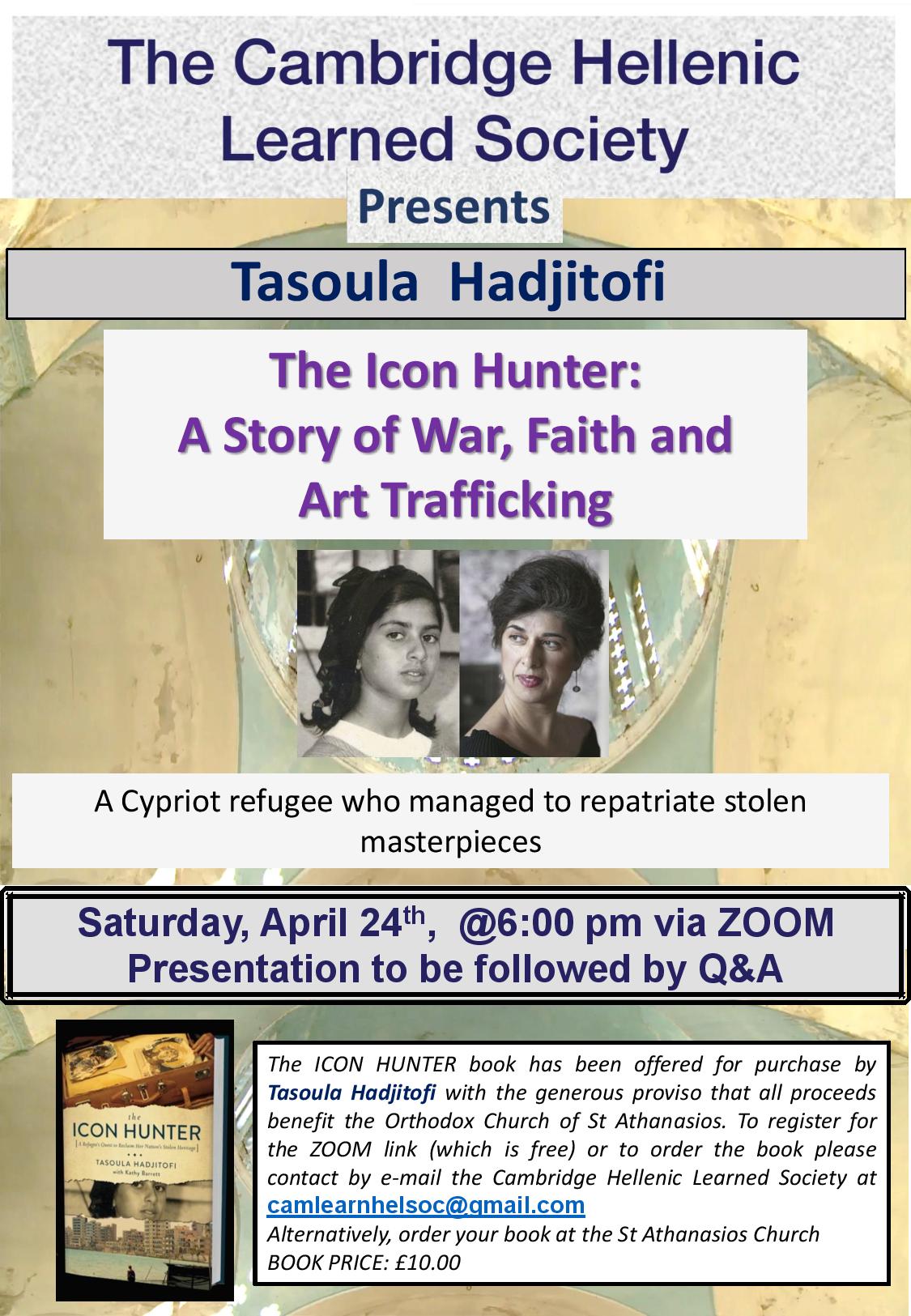
The virtual Q&A event took place over Zoom on Saturday April 24th 2021 at 6 PM and was well-attended.
Questions from the audience were welcomed and answered.
The Society’s 24th event was the first in-person event since the start of the pandemic and a good opportunity for people to meet again and interact in person.
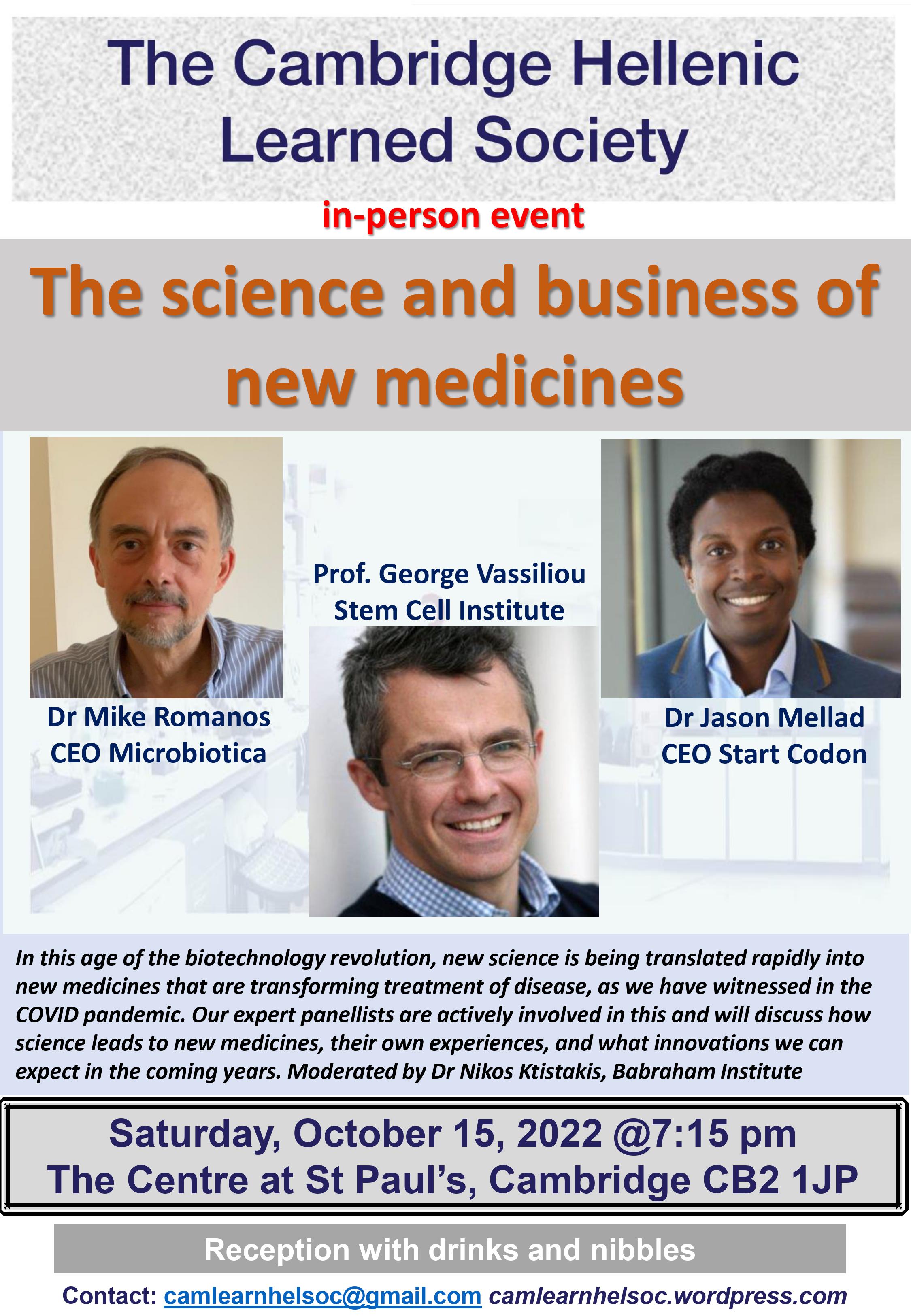
The event took place on October 15, 2022 at St Paul’s Church, Cambridge.
The topic was “The science and business of new medicines” and it was a panel discussion with Mike Romanos, CEO of Microbiotica, George Vasilliou from the Stem Cell Institute and Jason Mellad CEO of Start Codon. Nikolaos Ktistakis moderated the discussion.
In this age of the biotechnology revolution, new science is being translated rapidly into new medicines that are transforming treatment of disease, as we have witnessed in the COVID pandemic. Our expert panellists are actively involved in this and will discuss how science leads to new medicines, their own experiences, and what innovations we can expect in the coming years.
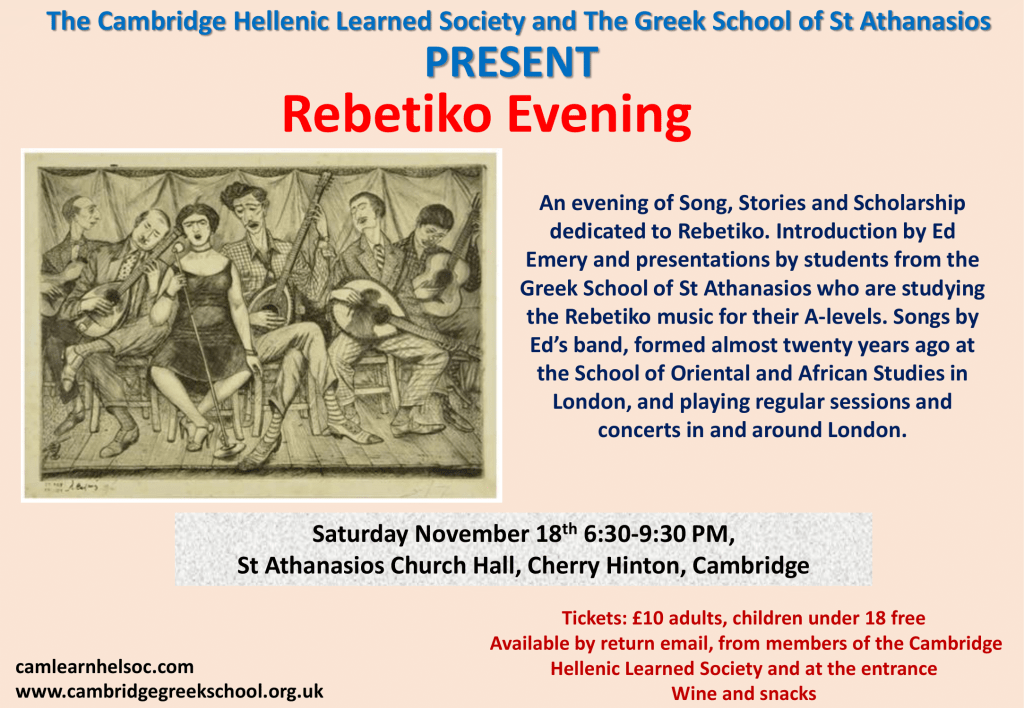
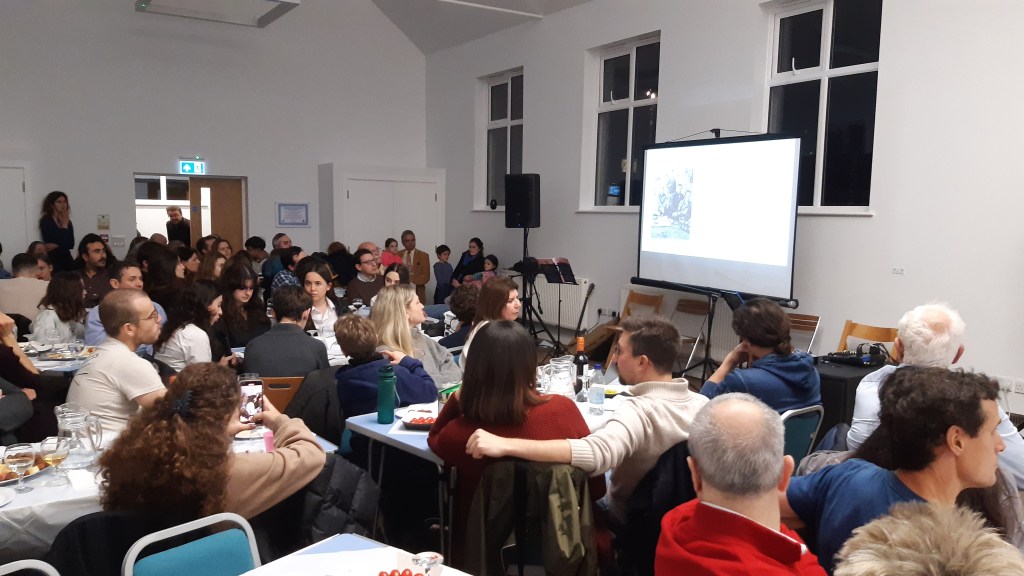
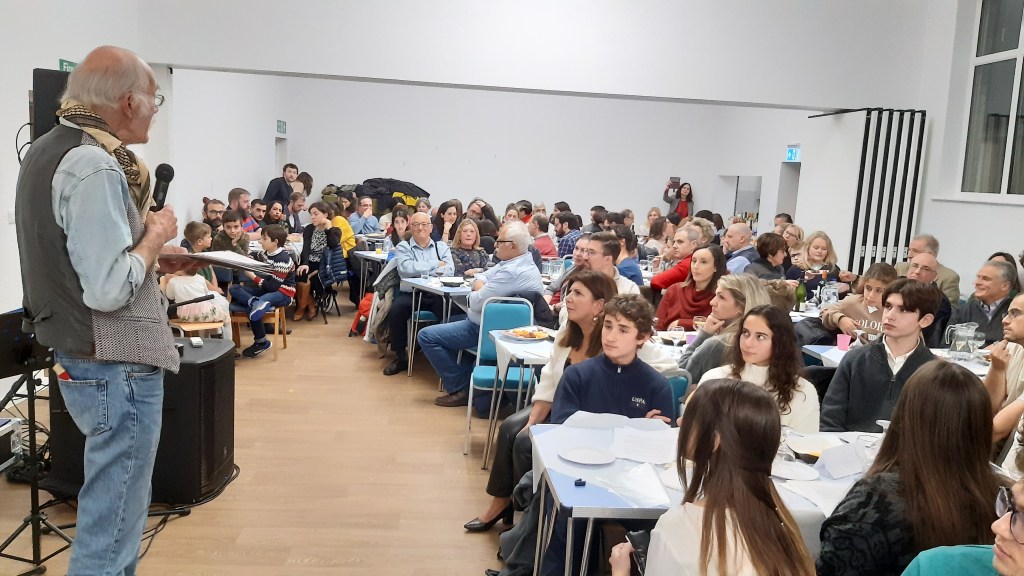
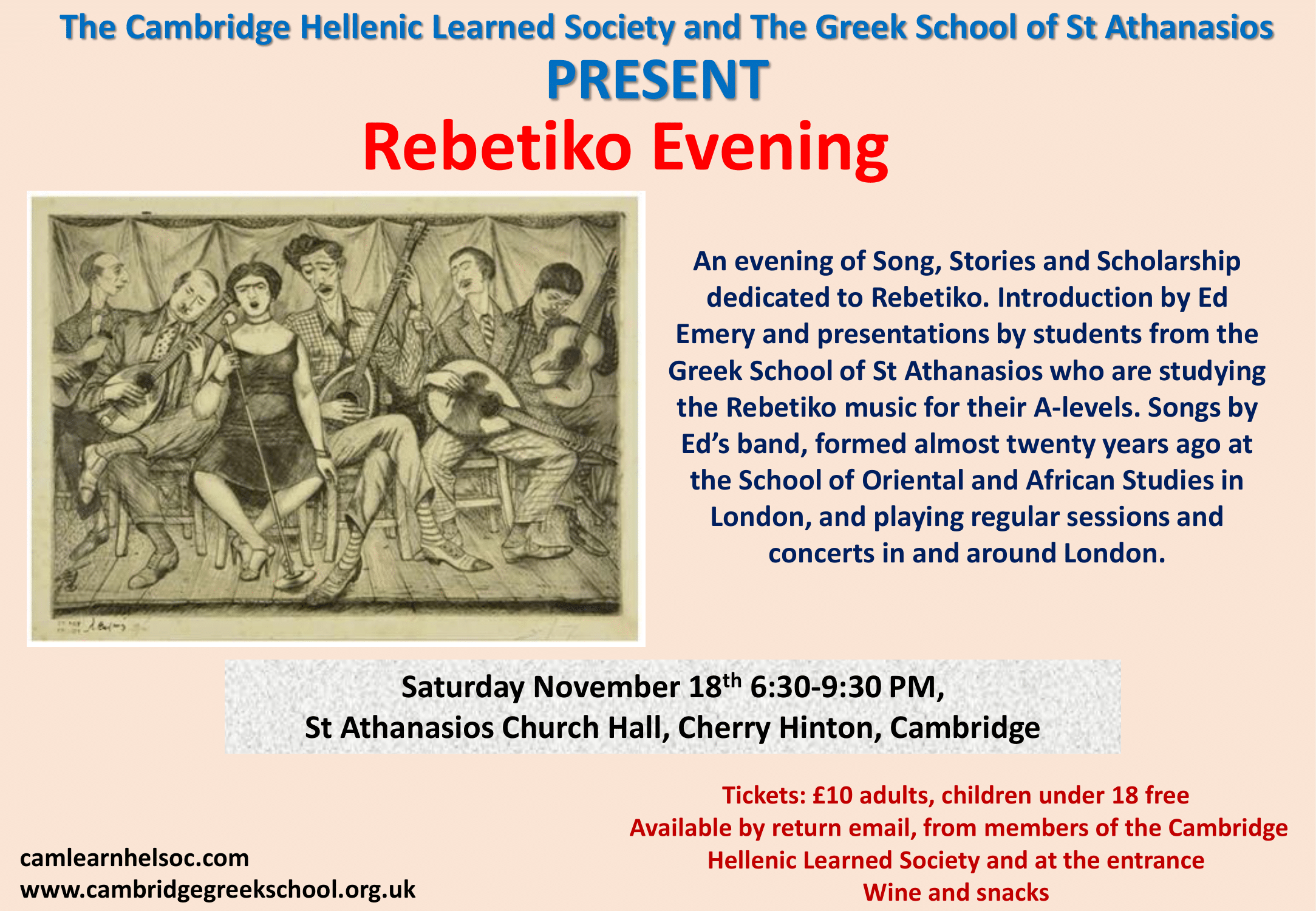
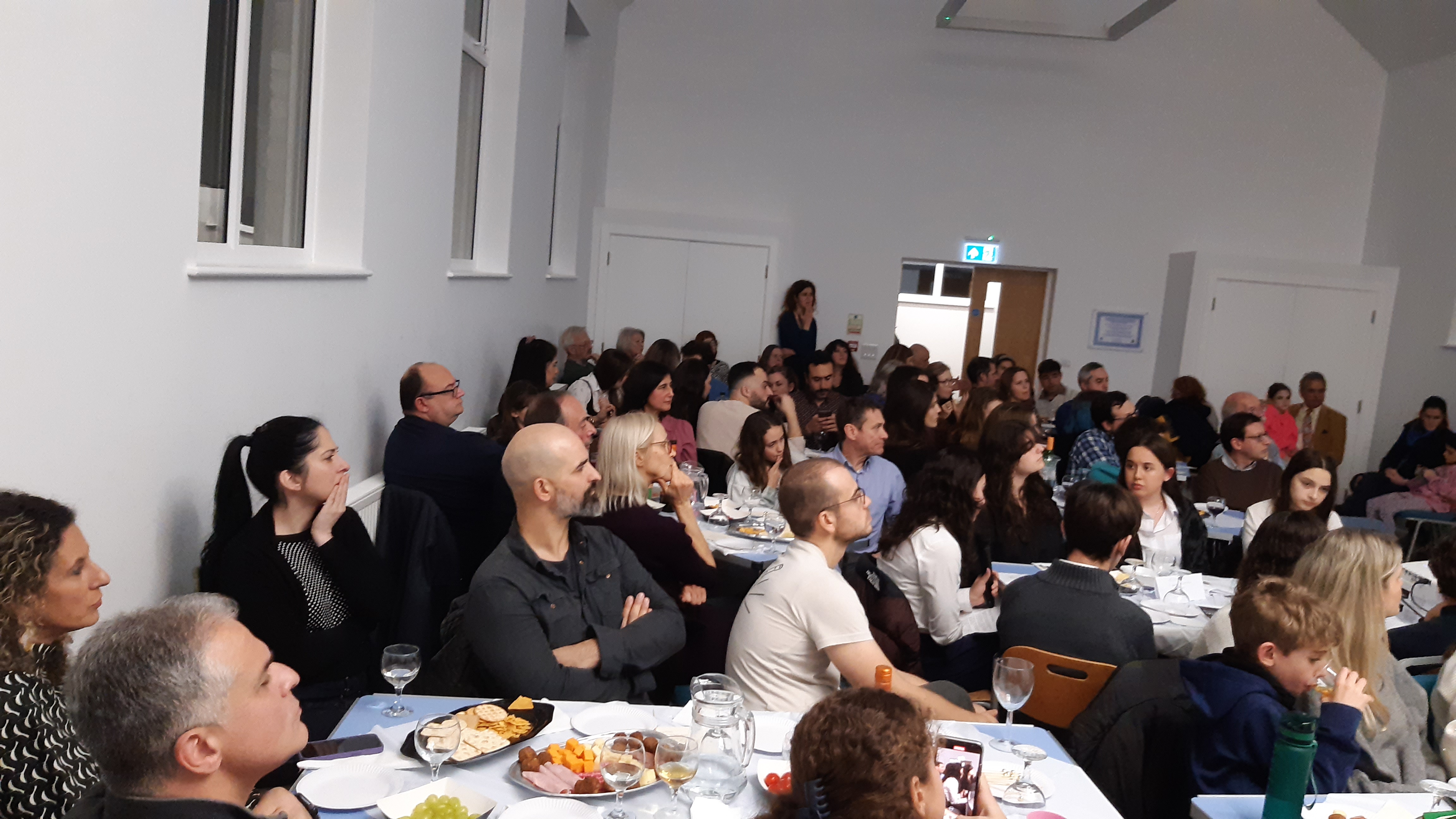
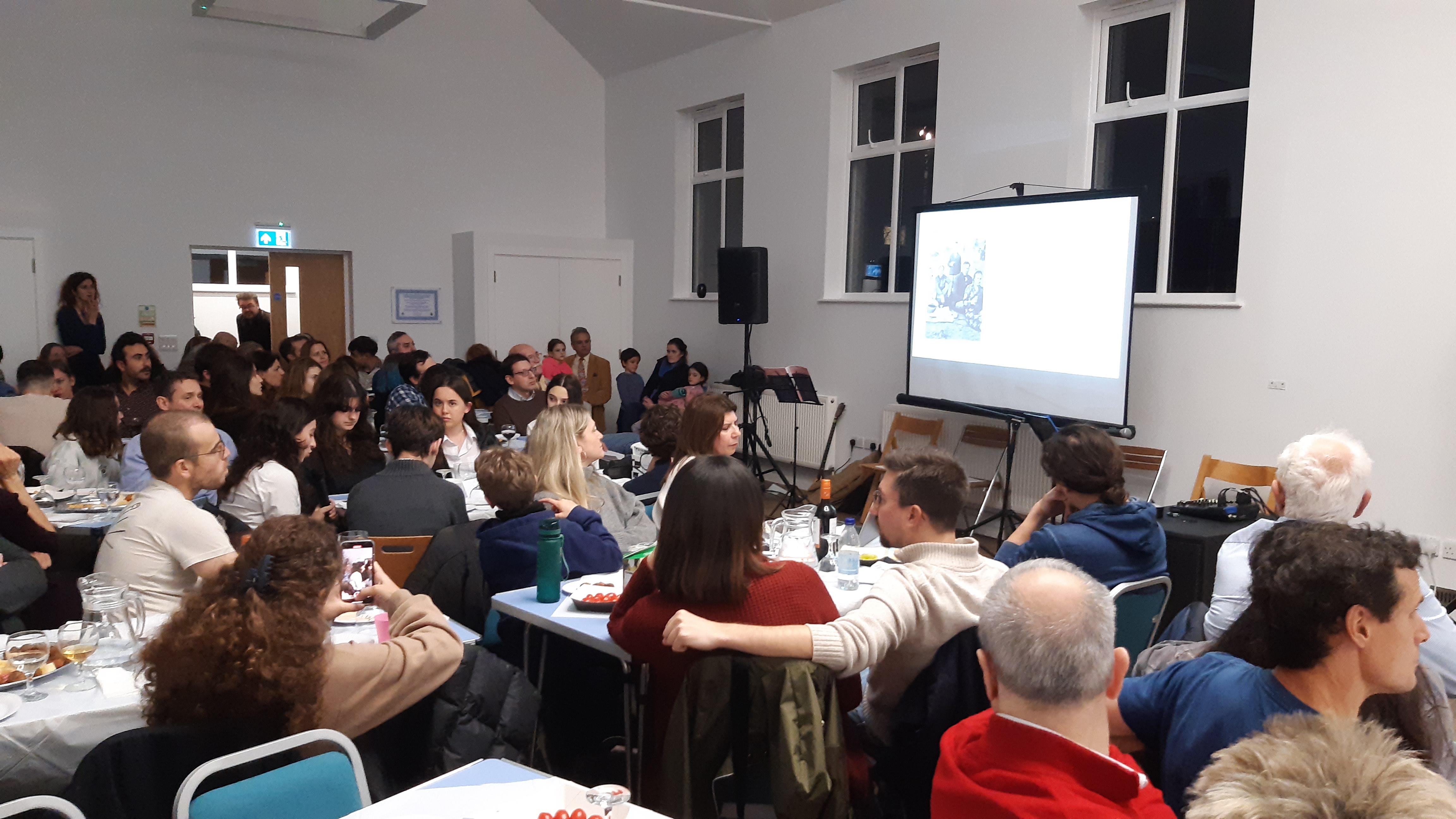
The Society’s 25th event was a Rebetiko evening social in the St Athanasios Church Hall on Saturday November 18th, 2023. In collaboration with the Greek School of St Athanasios we organised a hybrid event, part “learned” with students from the Greek school, who are studying the rebetiko for their A levels, presenting a brilliant set of short talks on various aspects of the rebetiko music and the people who popularised it, followed by live music with Ed Emery and his band, dedicated primarily to rebetiko songs. To support the expenses for food and music, this was a ticketed event which attracted 150 people and was sold out.


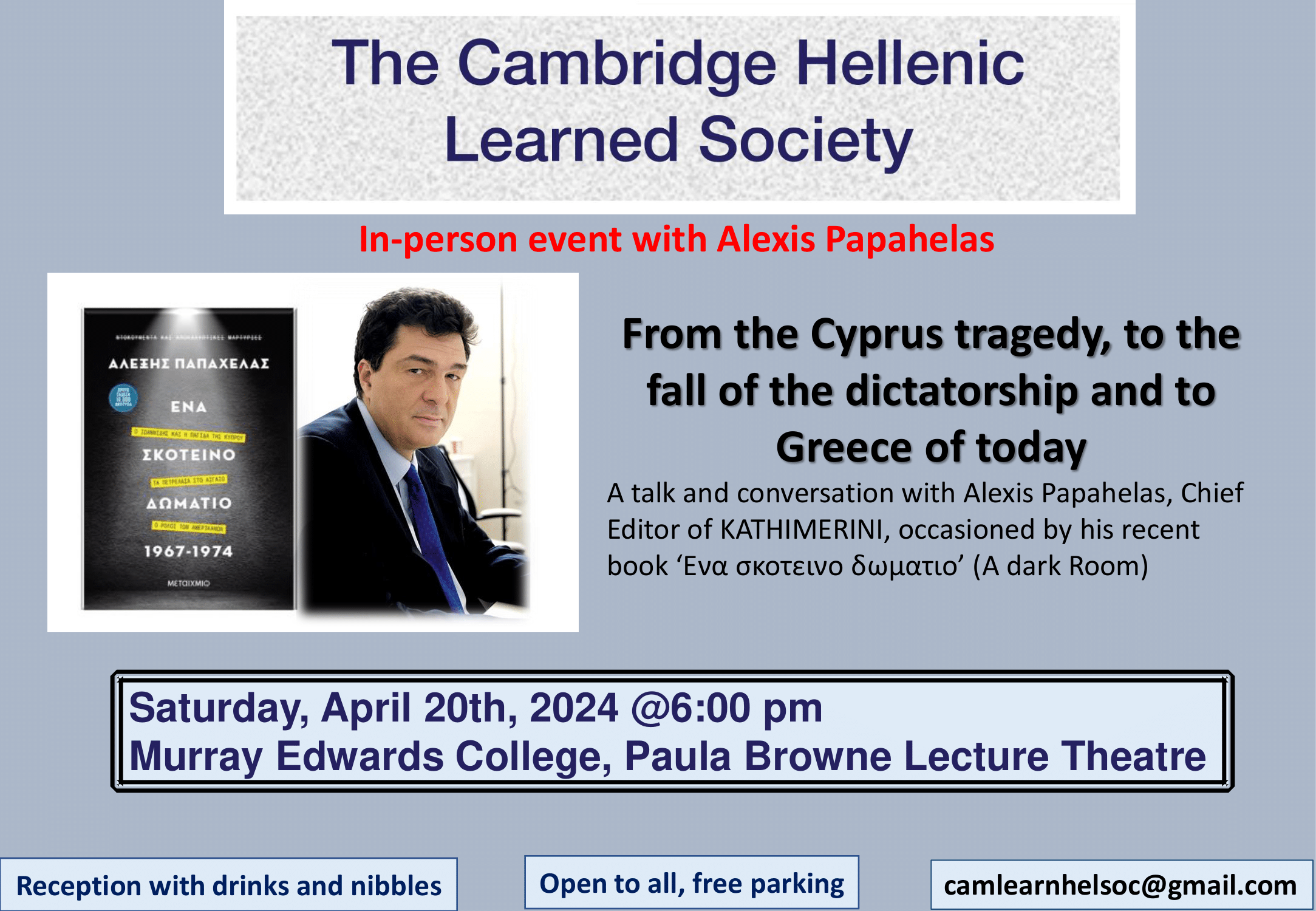
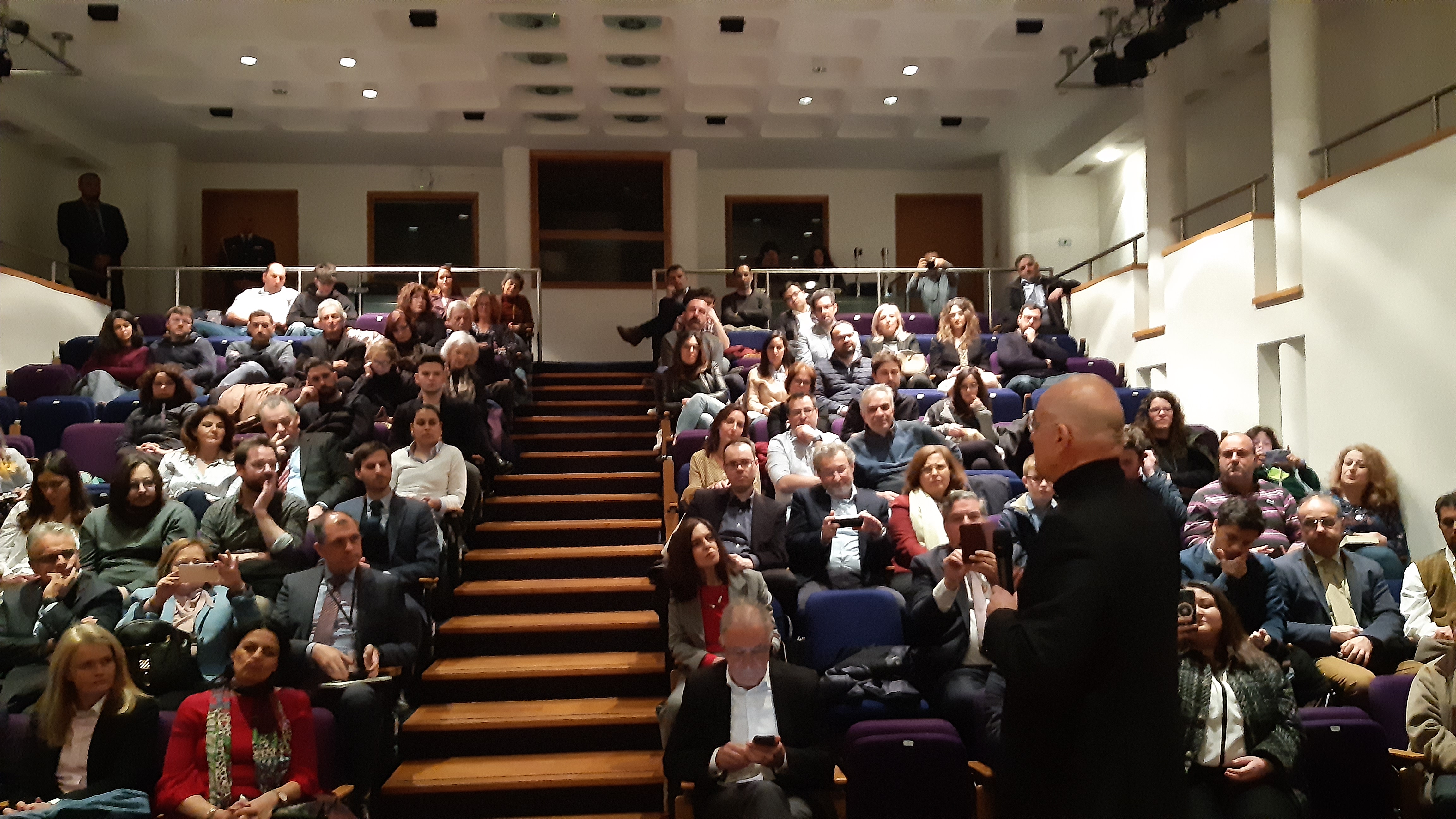
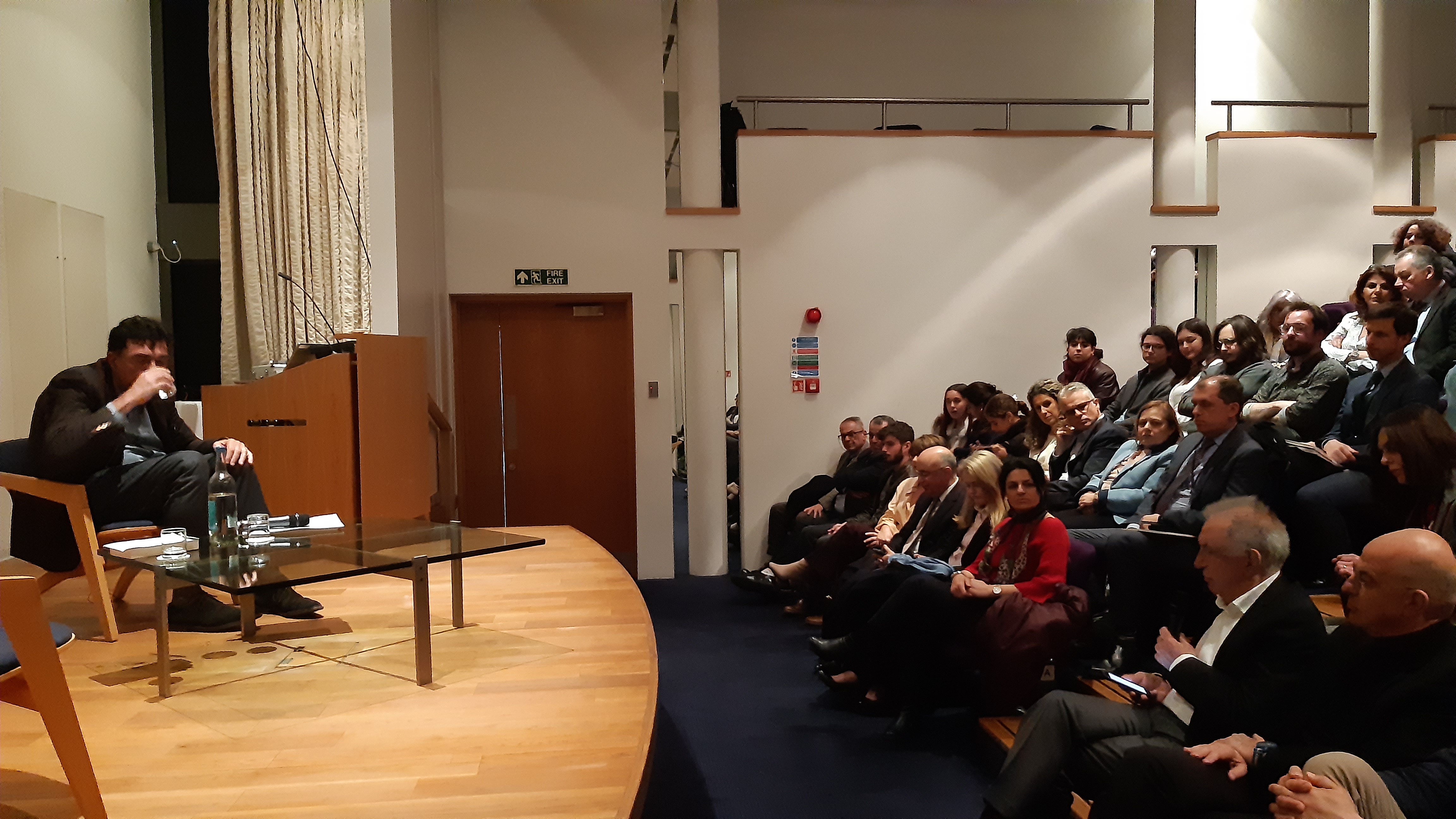
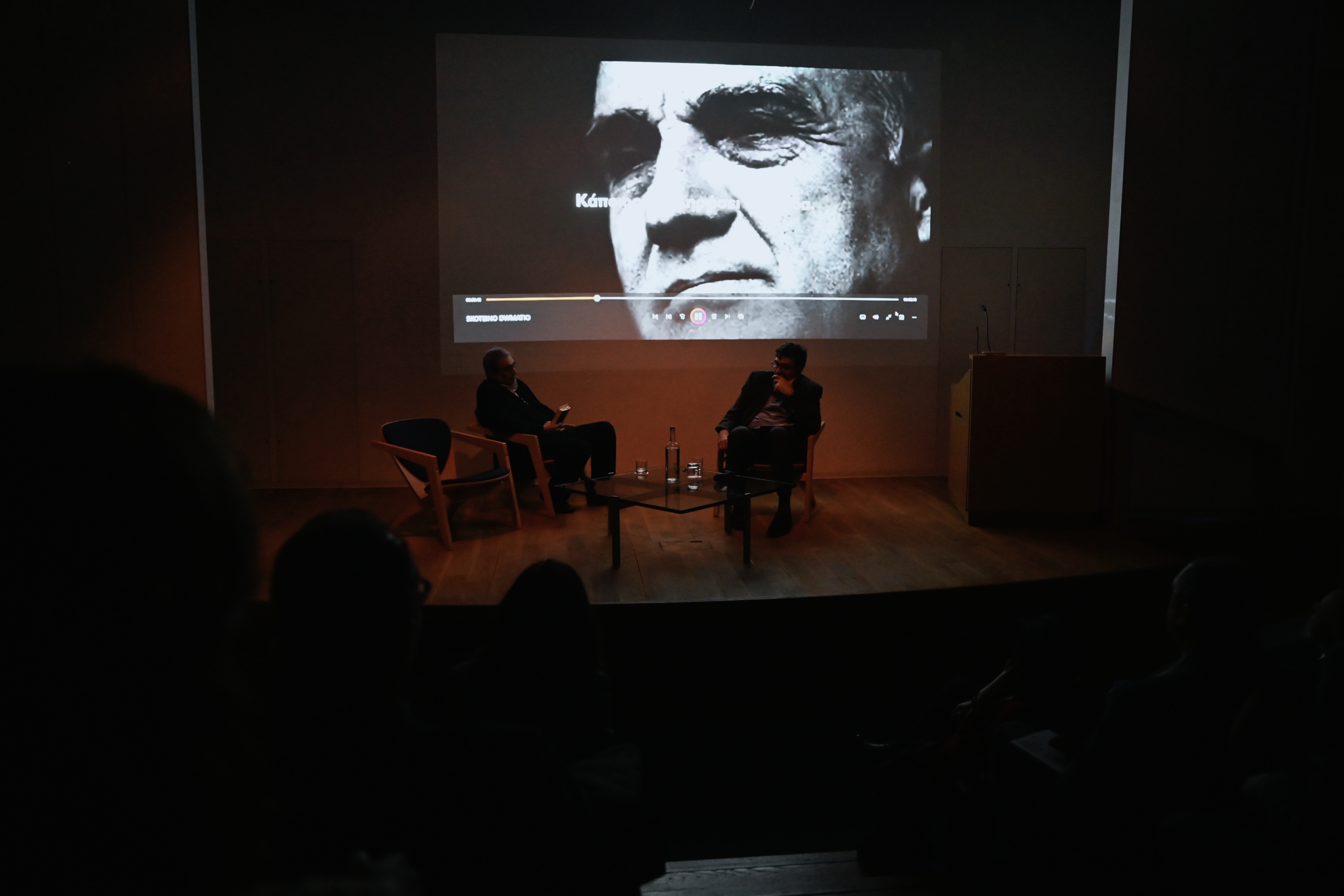
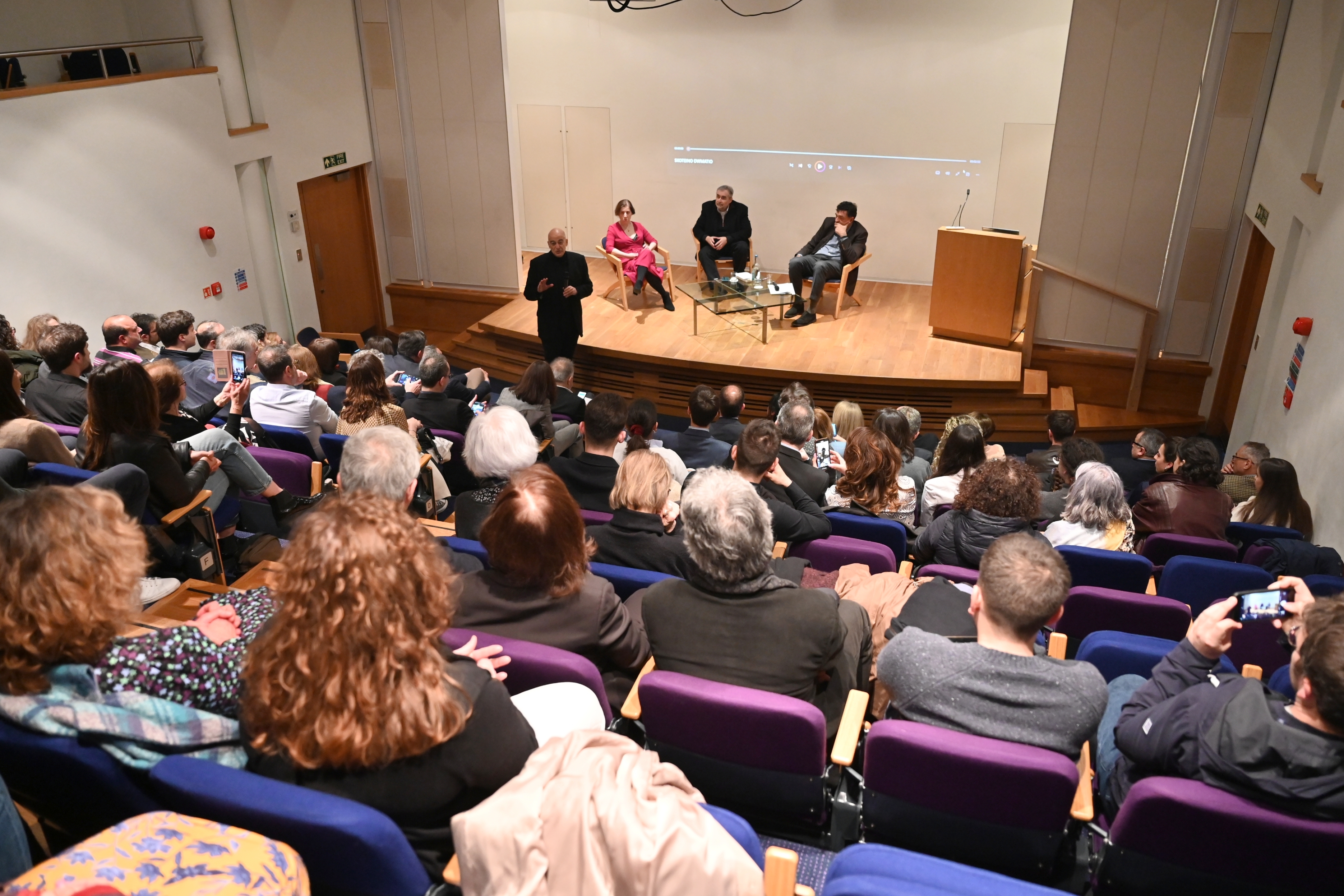
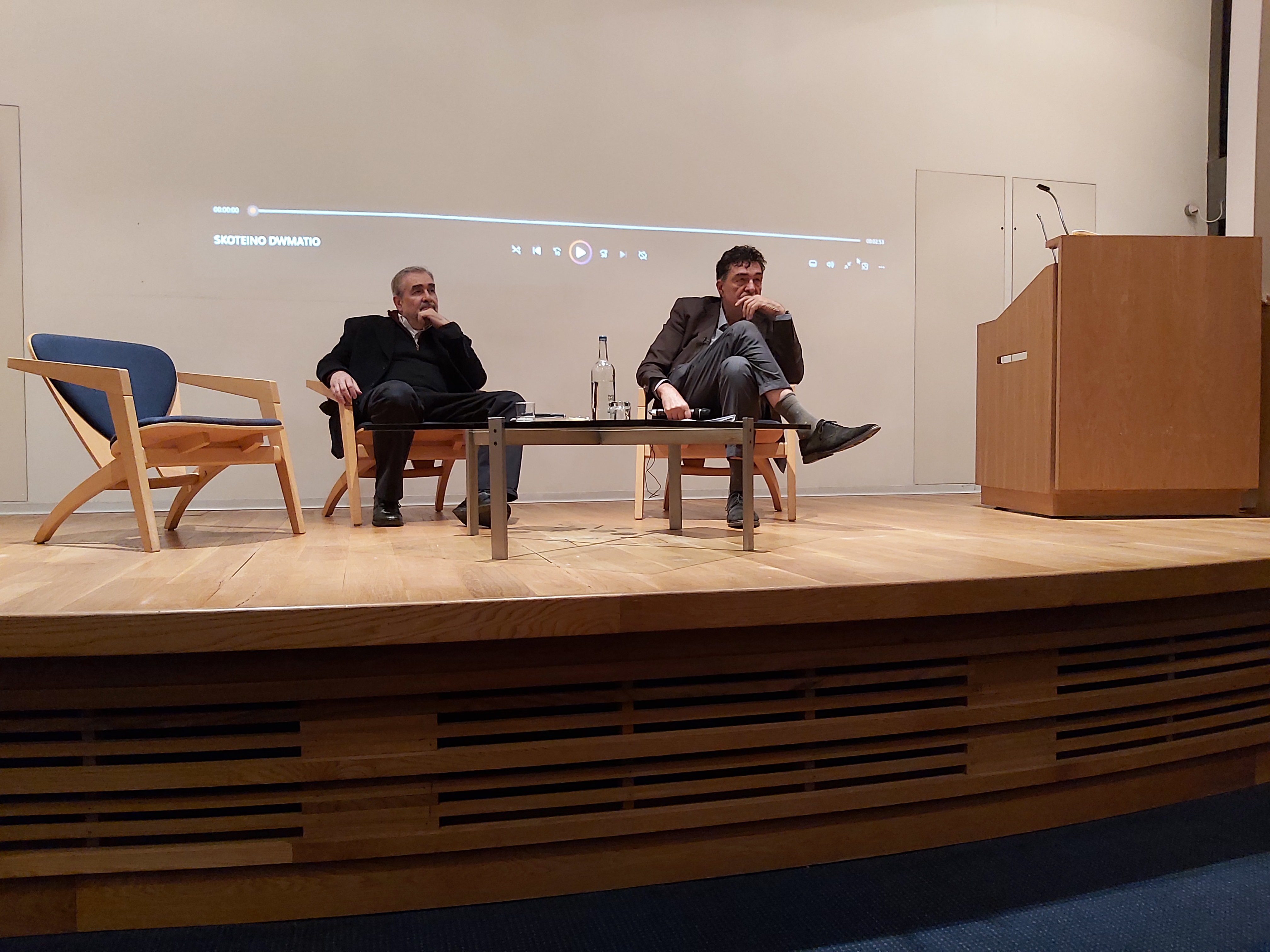
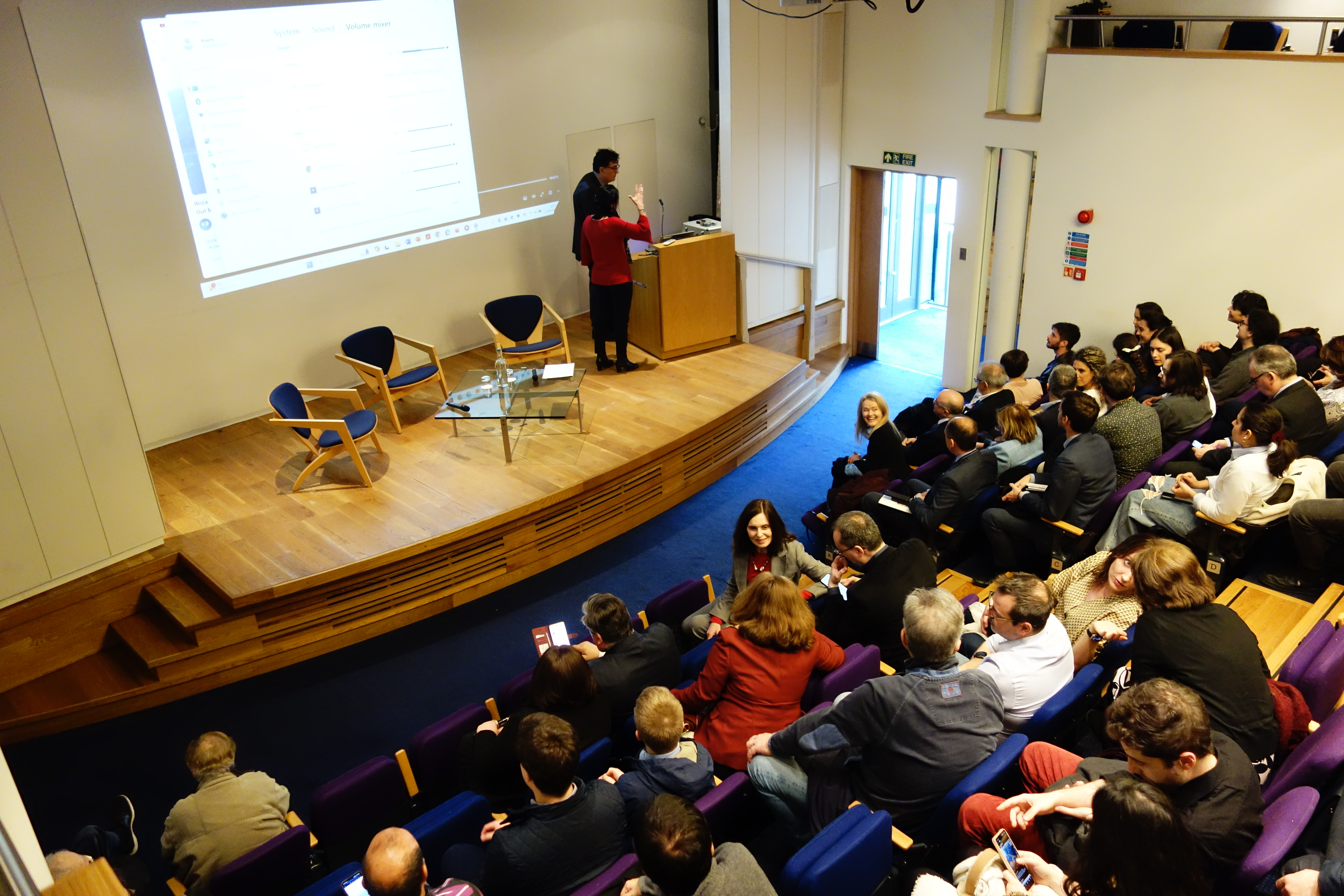
The Society’s 26th event was an in-person event that took place on April 20, 2024 at the Murray Edwards College, University of Cambridge.

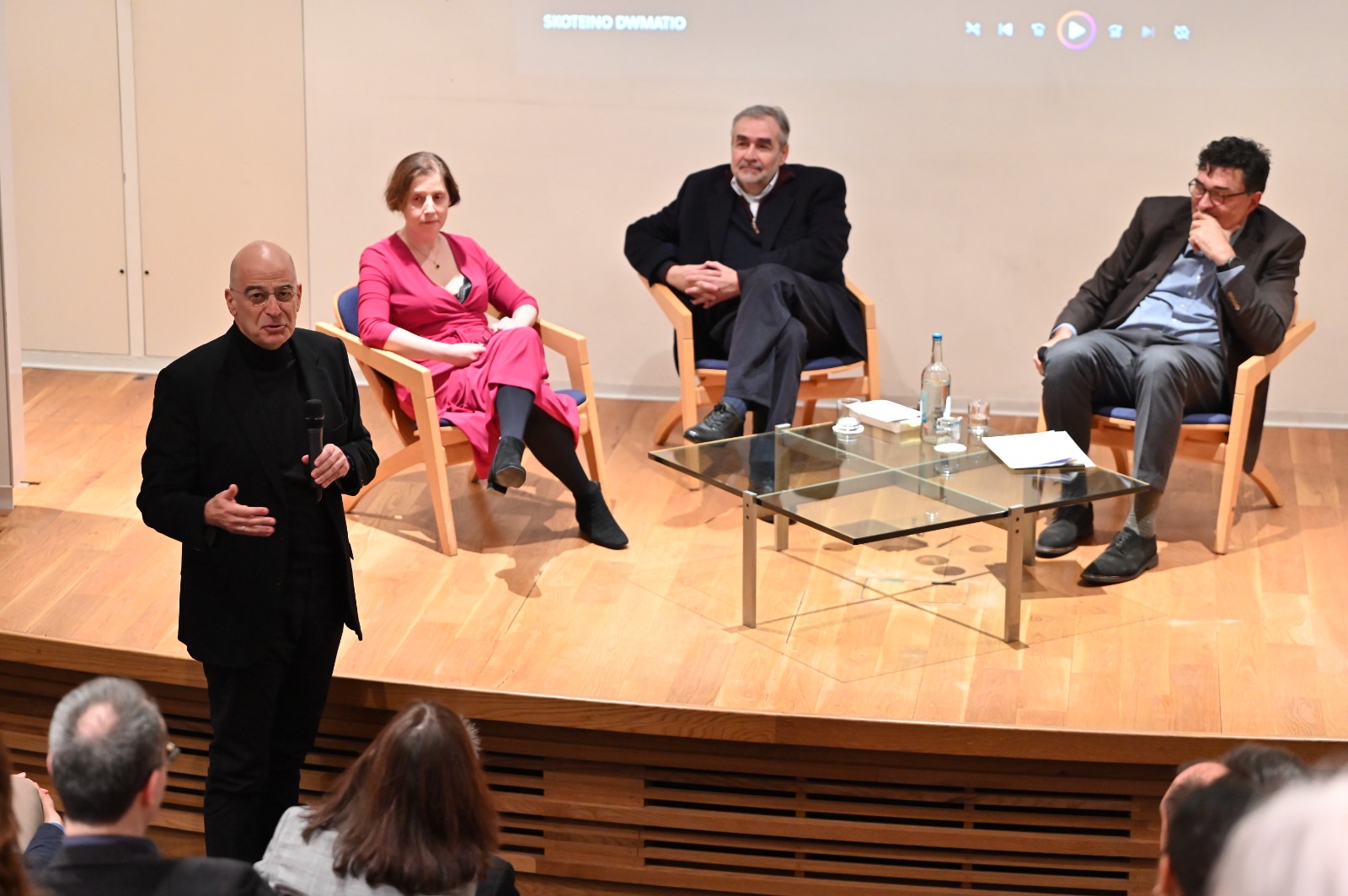
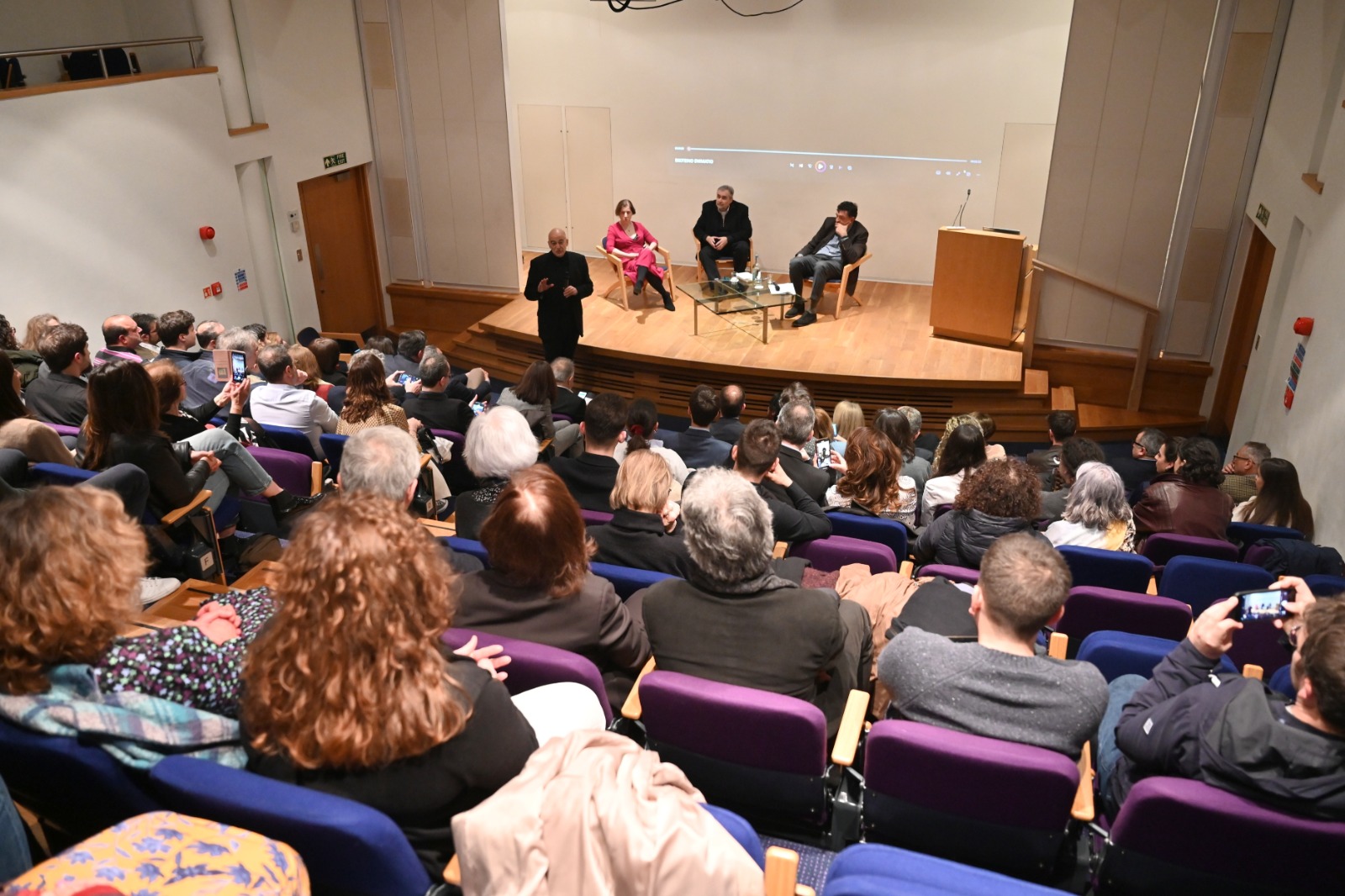
The main element of the event was a talk by Mr Papahelas on the actions that led to the Cyprus tragedy and to the restoration of democracy in Greece, occasioned by his recent book “A Dark Room”. The event was followed by an extended open Q&A session discussing the evolution of Greek democracy since 1974 and the situation of Greece today – where particularly younger members of the audience were encouraged to participate. The discussions continued during a reception at the College.
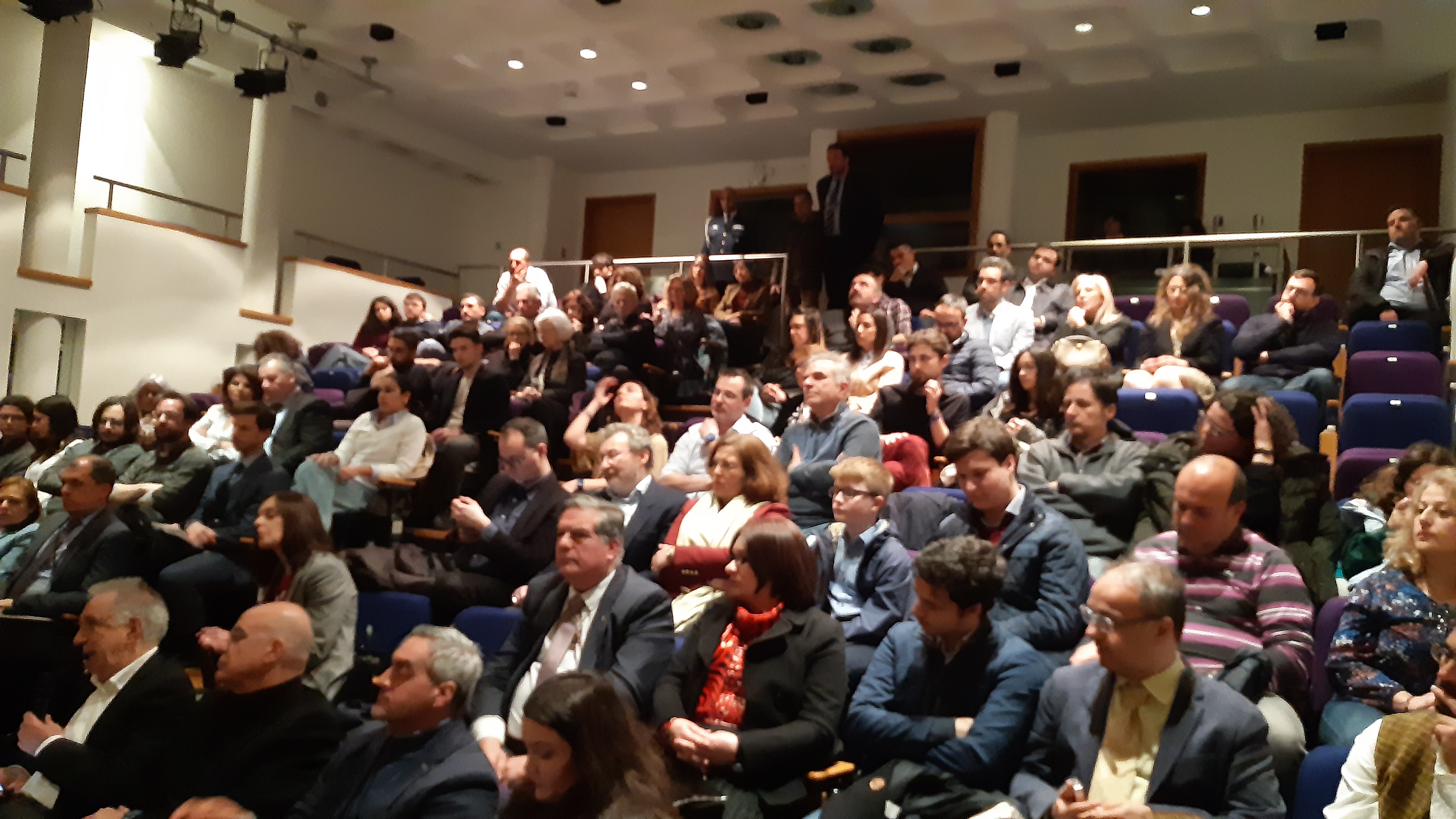
Mr Papahelas is the Chief Editor of the Greek daily newspaper KATHIMERINI and one of the most influential journalists in Greece. He recently organised an event commemorating 50 years since the fall of the dictatorship (https://www.kathimerini.gr/tag/metapoliteysi/).It was a very well attended event with more than 100 people in the audience.
In attendance we also had the Minister of Defence, Mr Nikos Dendias, and the Consulate from the Greek Embassy in London, Mr Christos Goulas.The video album from this event can be found here: https://photos.app.goo.gl/WCbUvZSXiLtq2mHj9
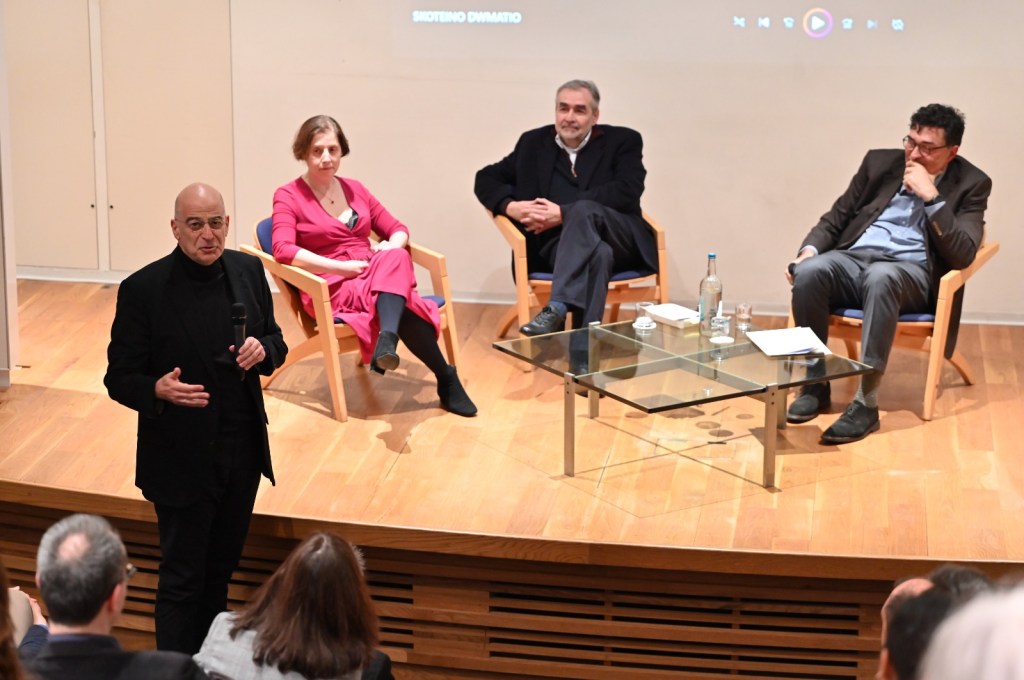


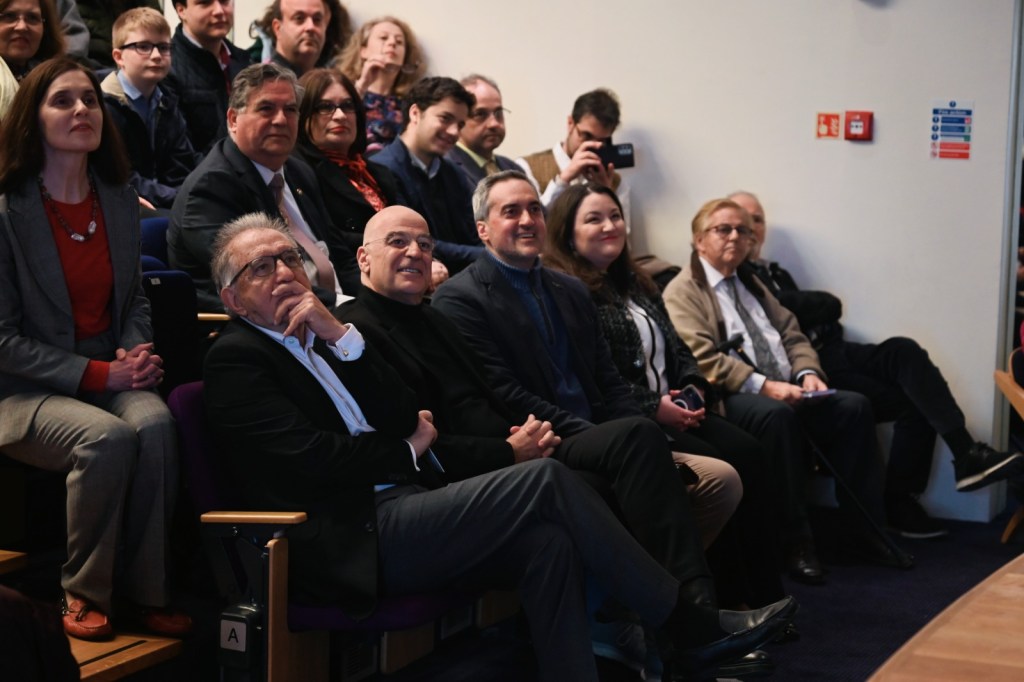

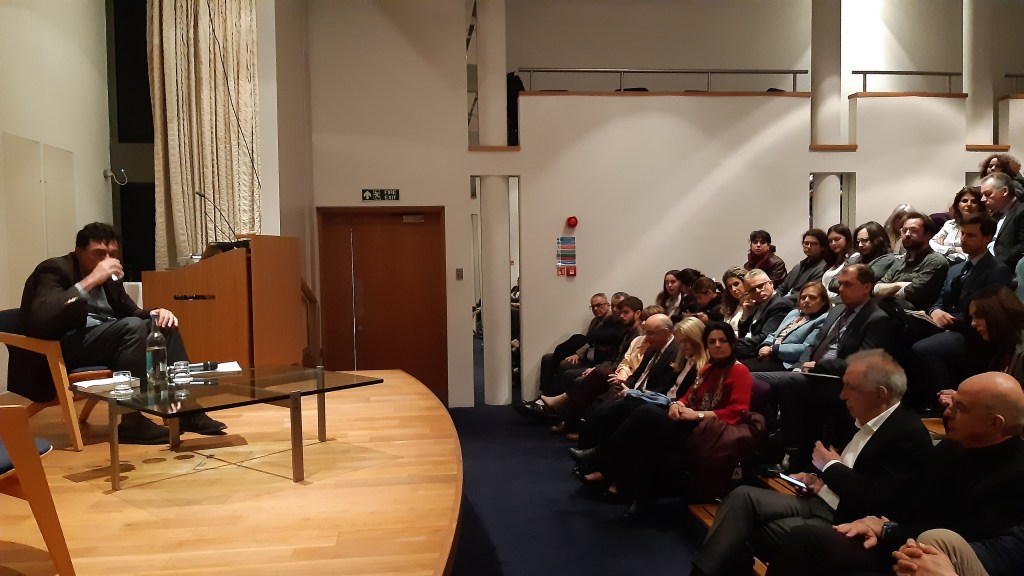
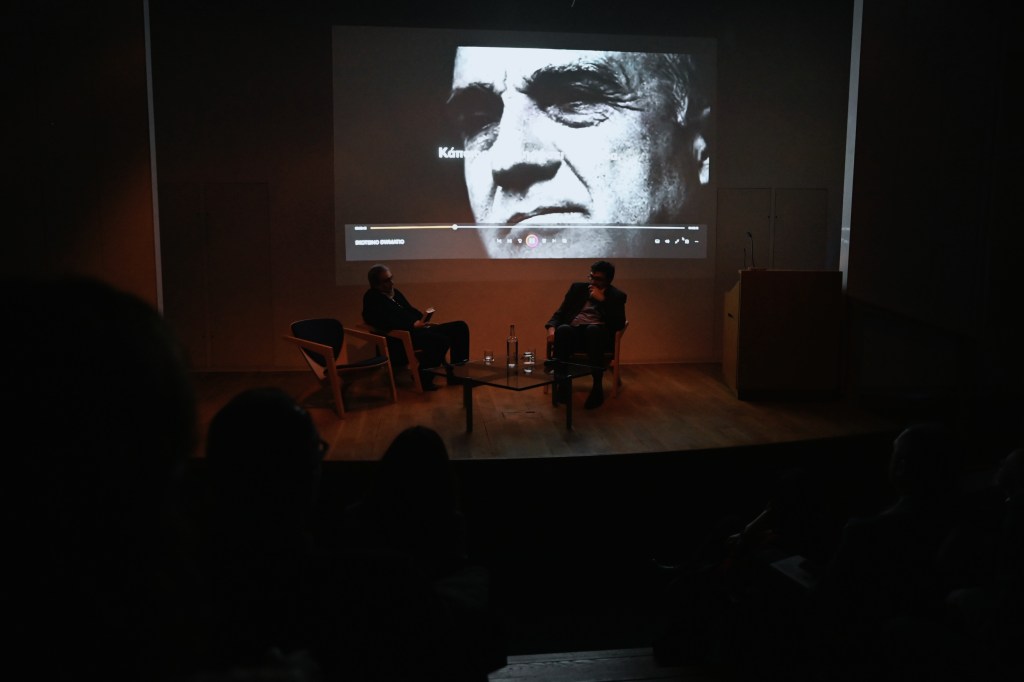
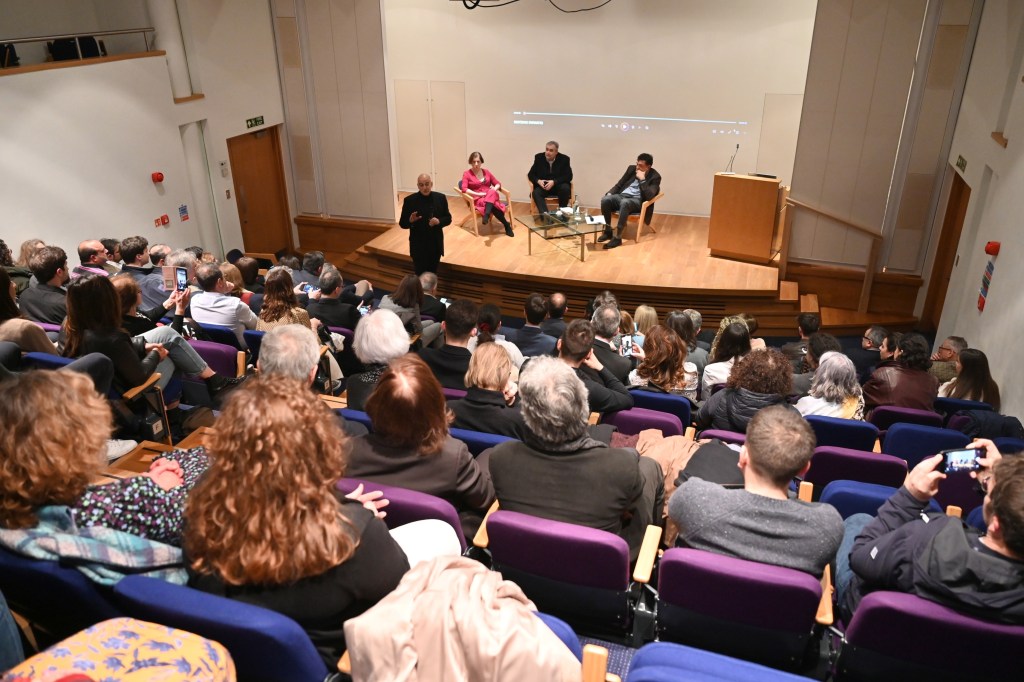

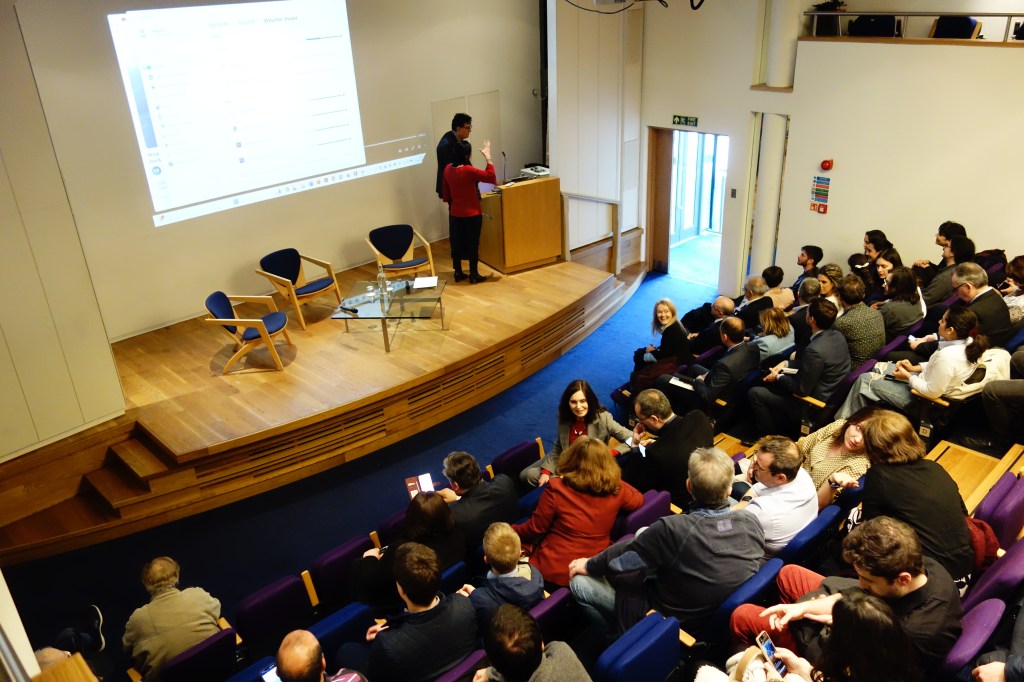
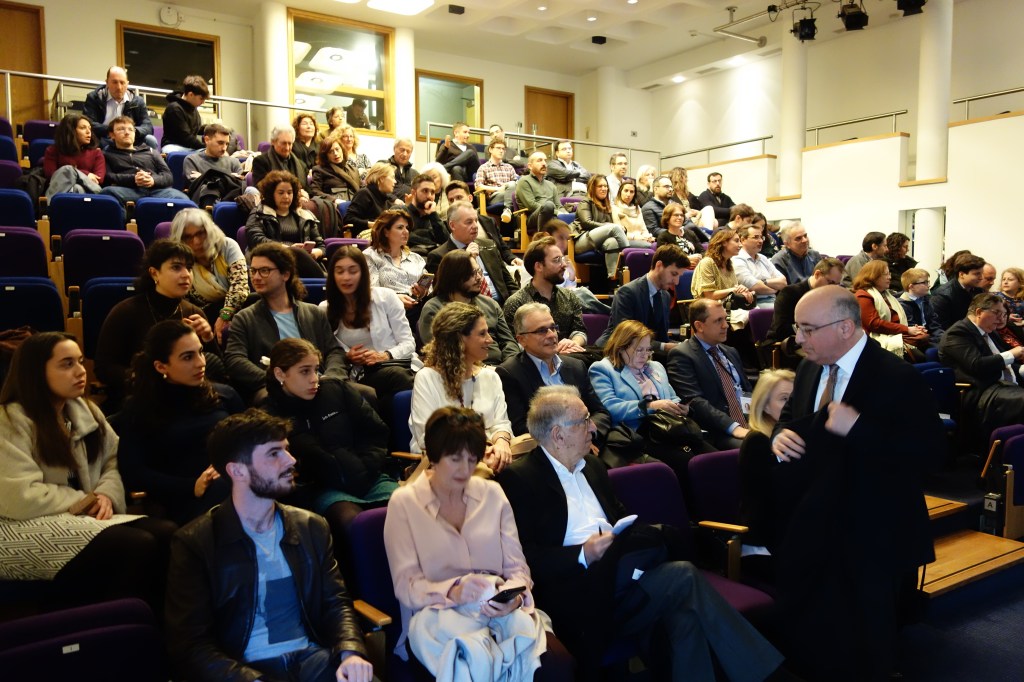

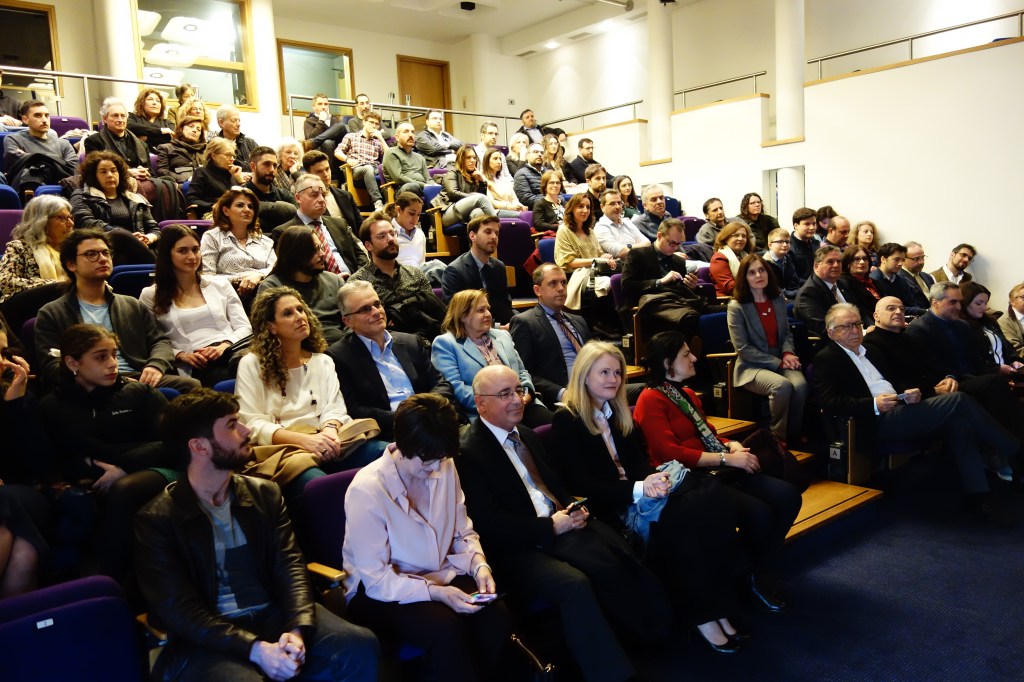
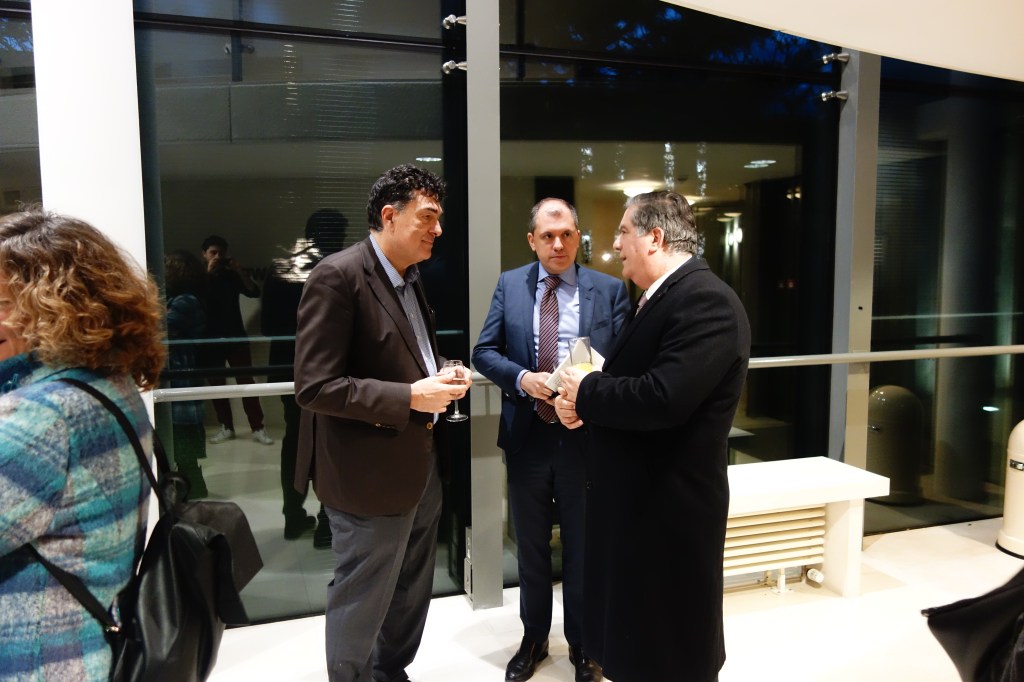

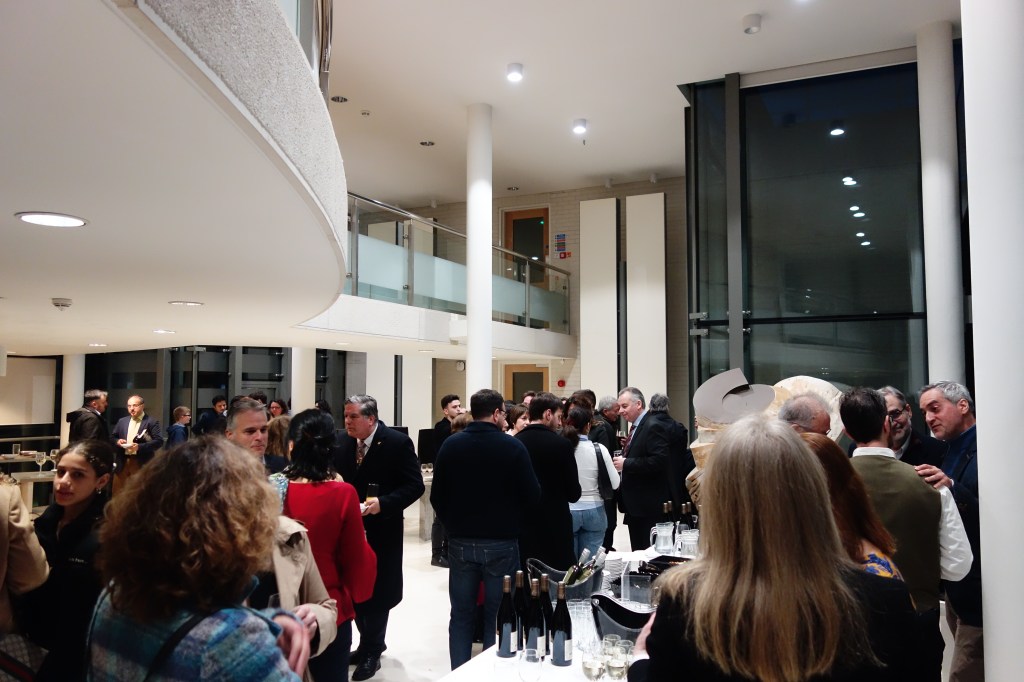


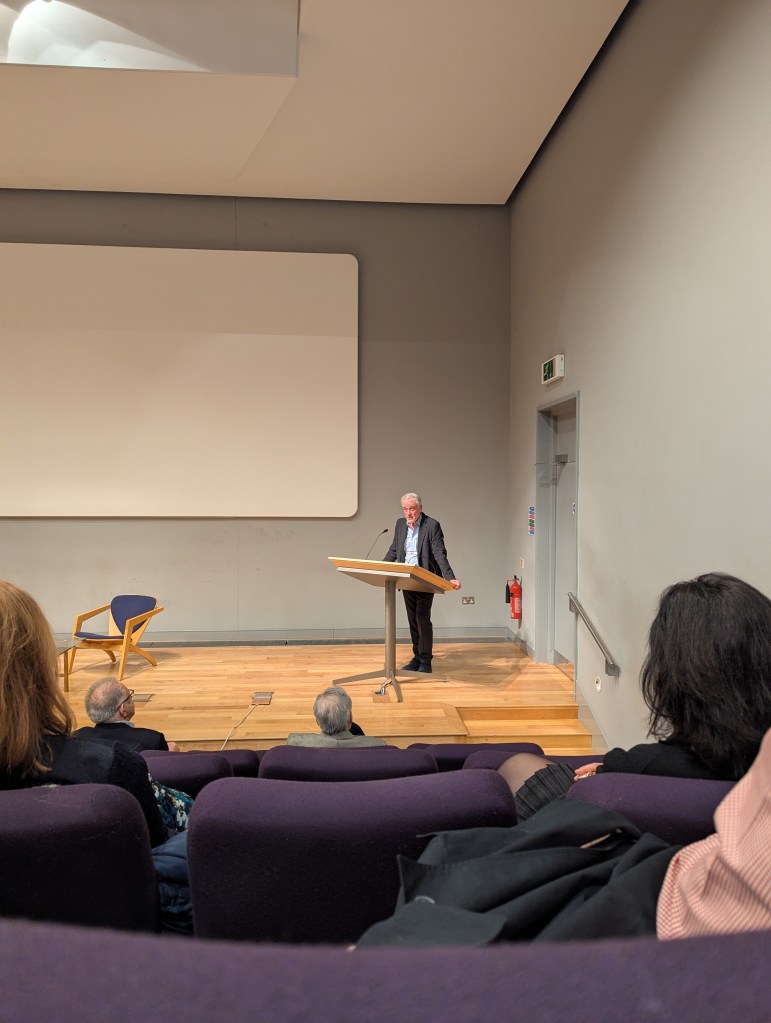
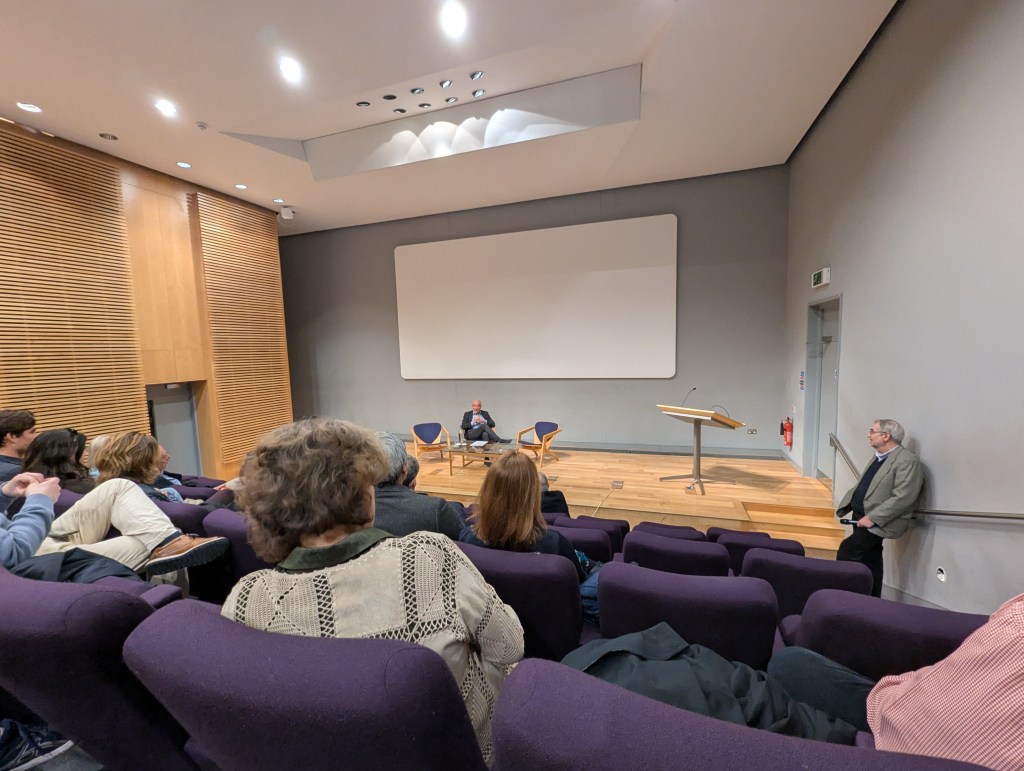
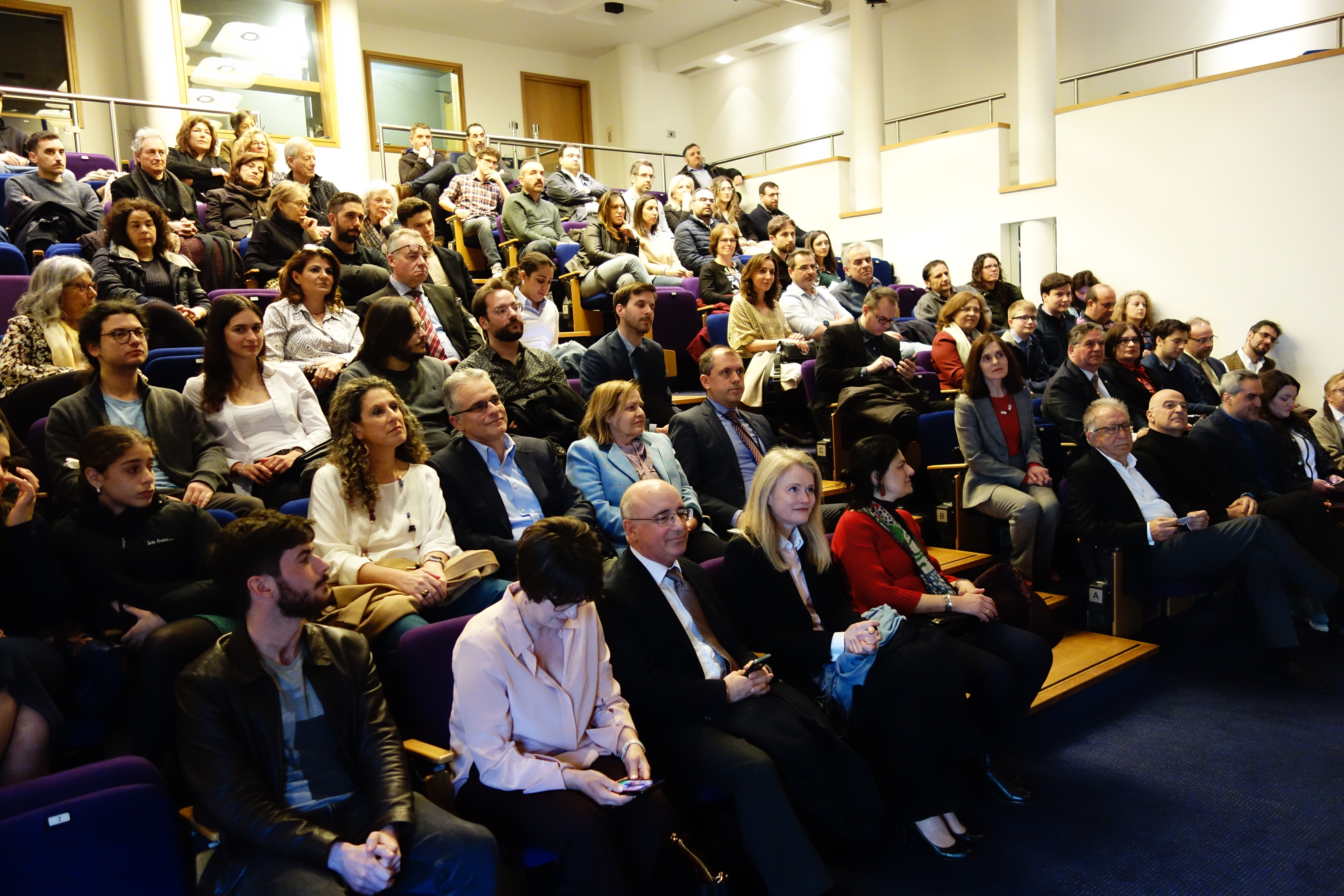
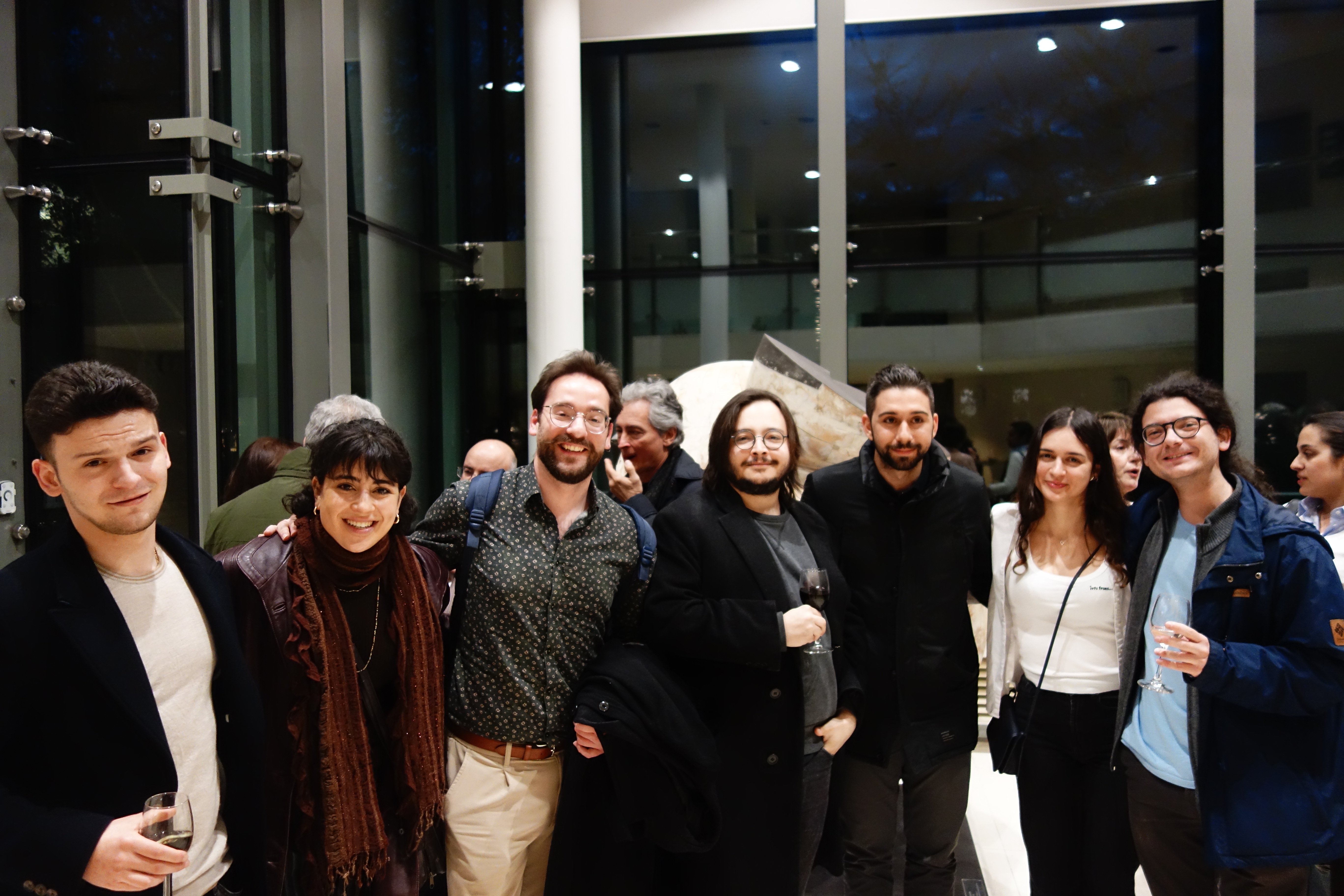
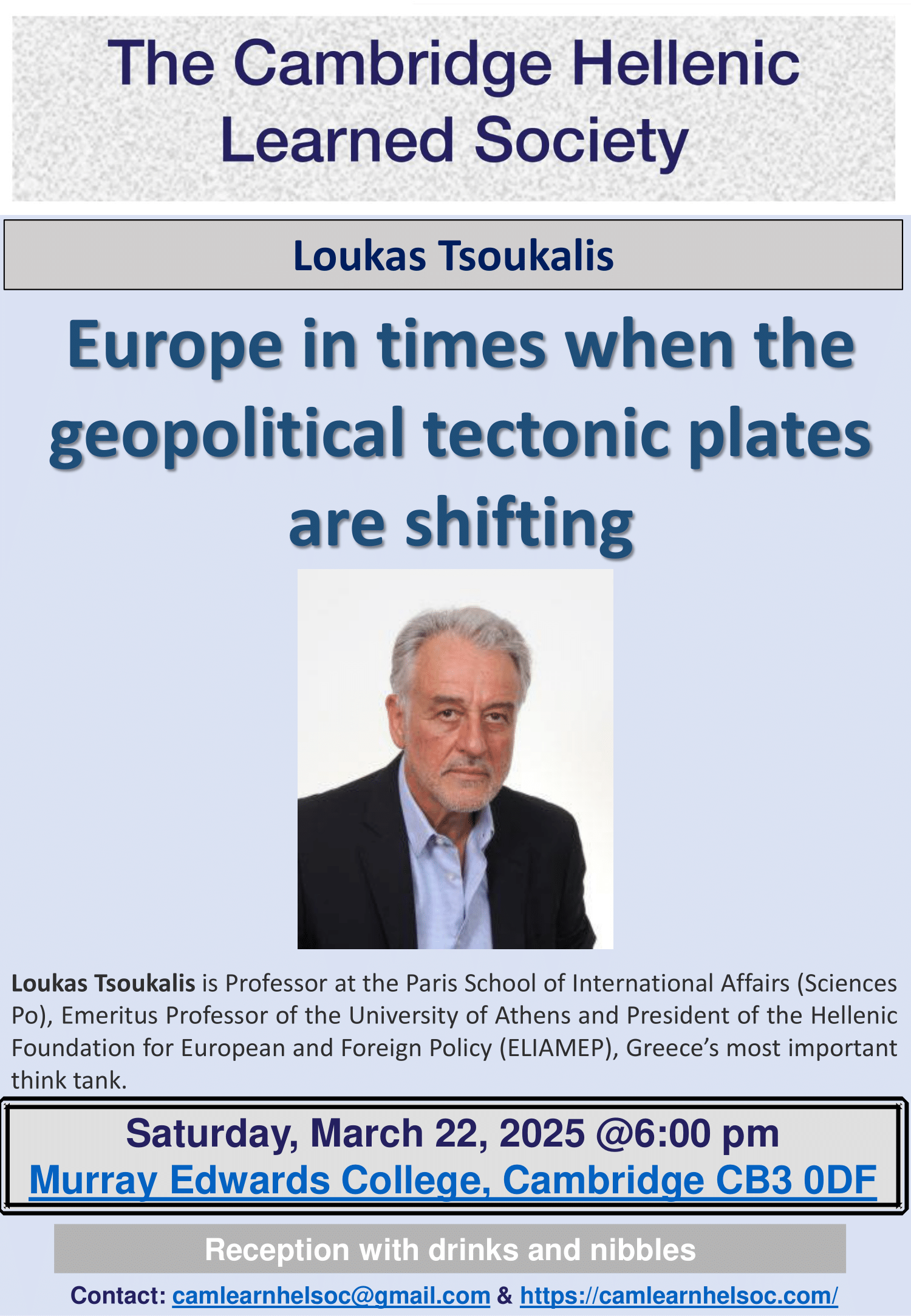
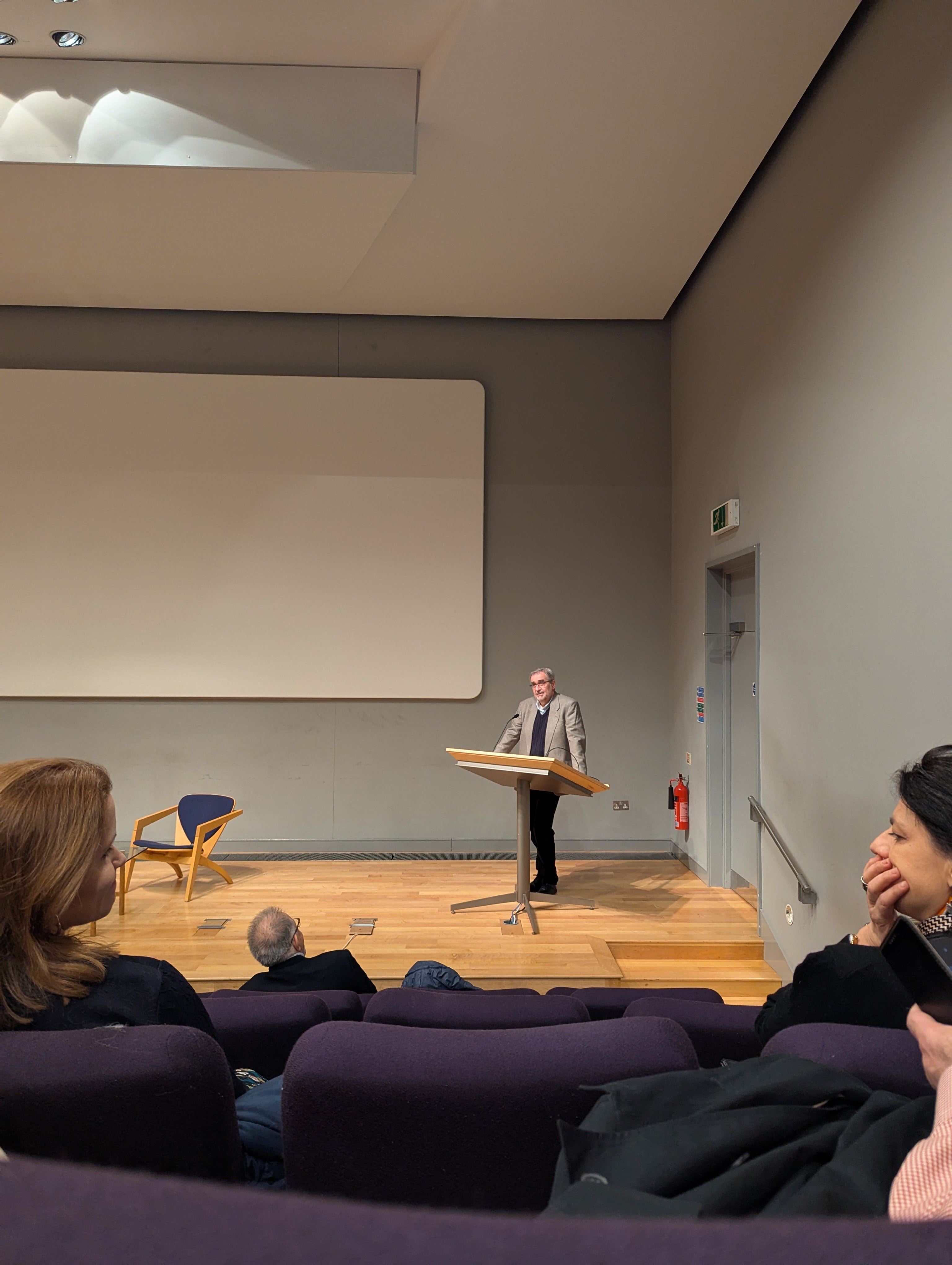
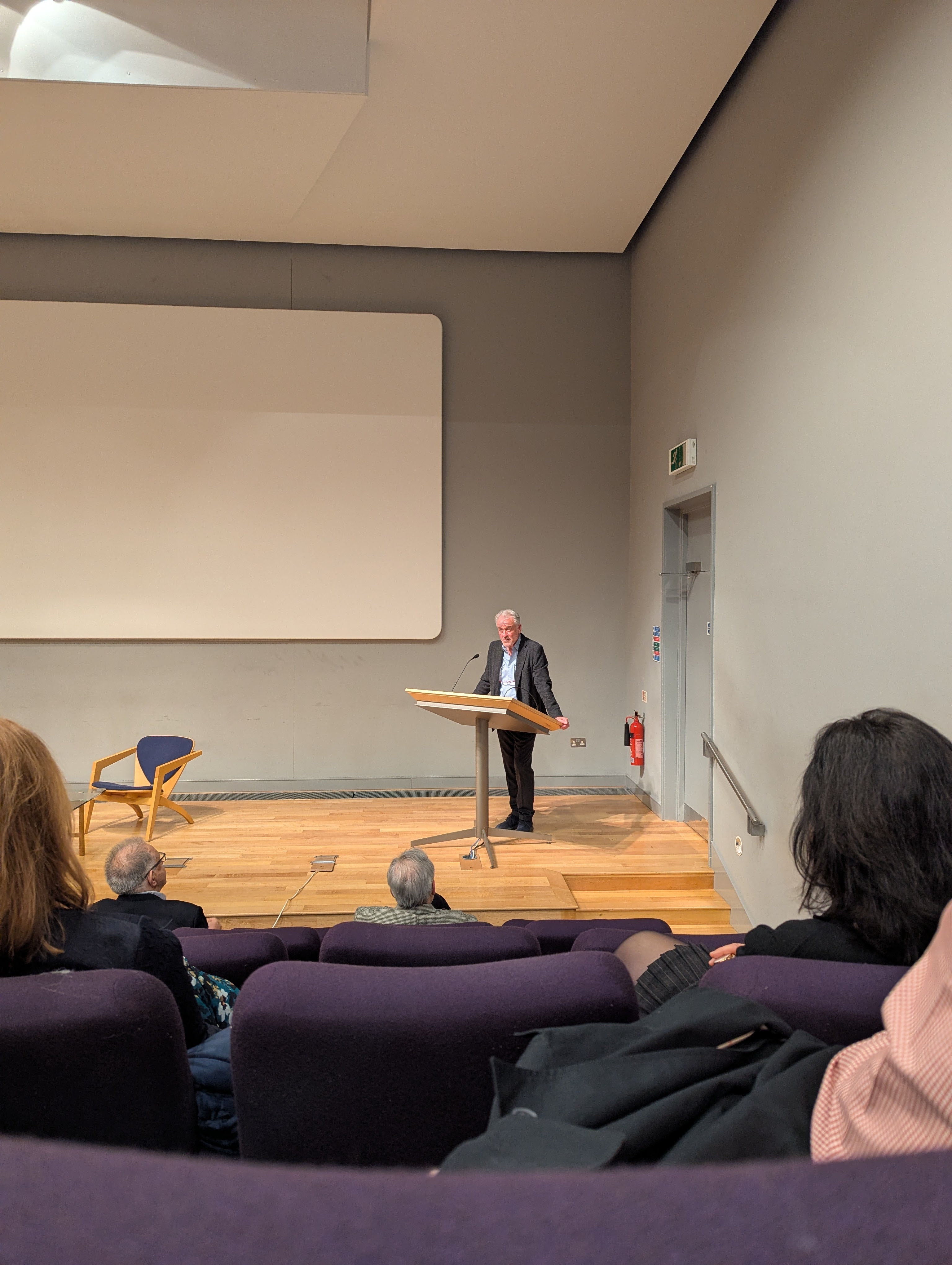
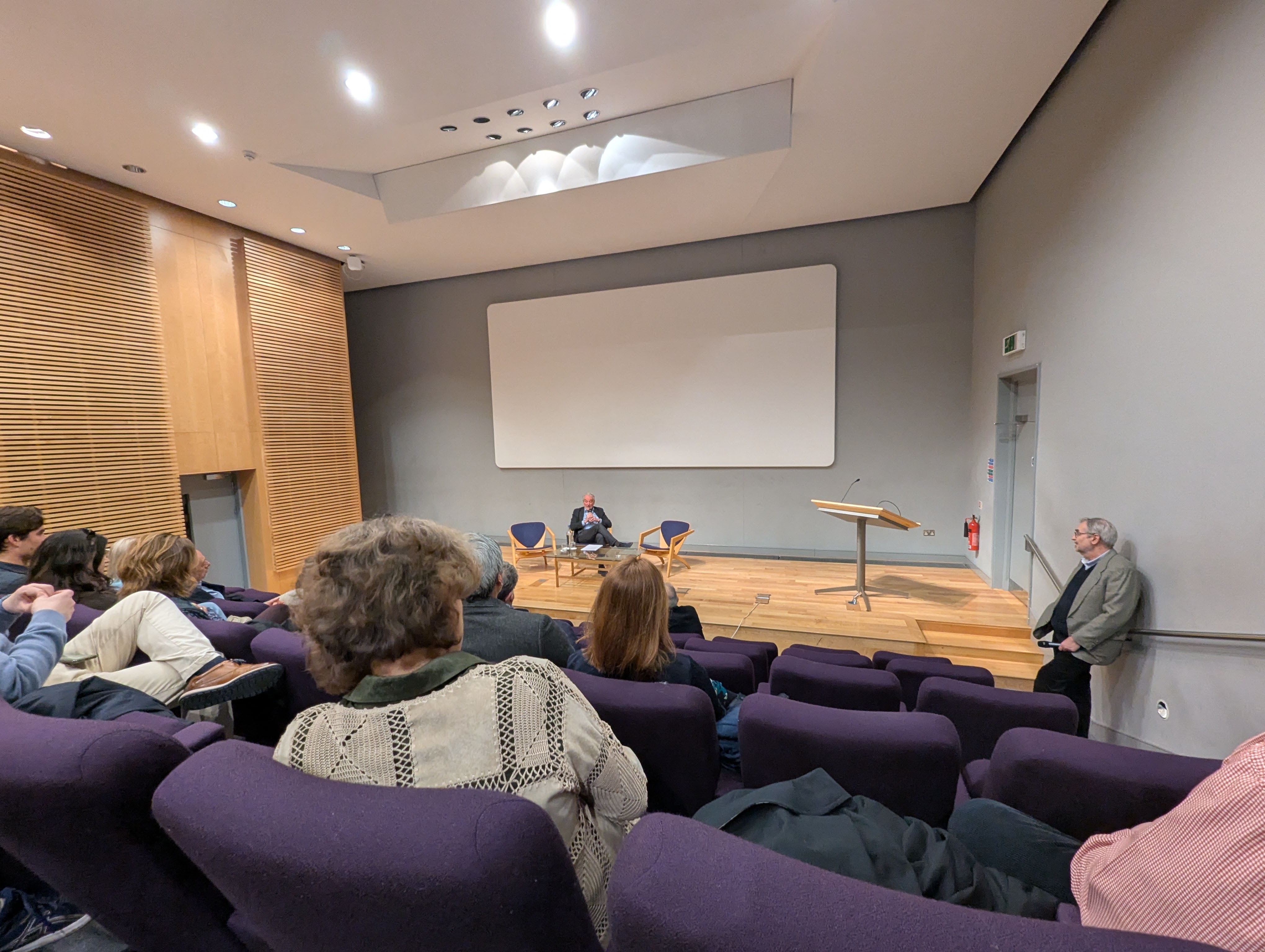
The Society’s 27th event took place on March 22, 2025 at the Murray Edwards College, University of Cambridge.
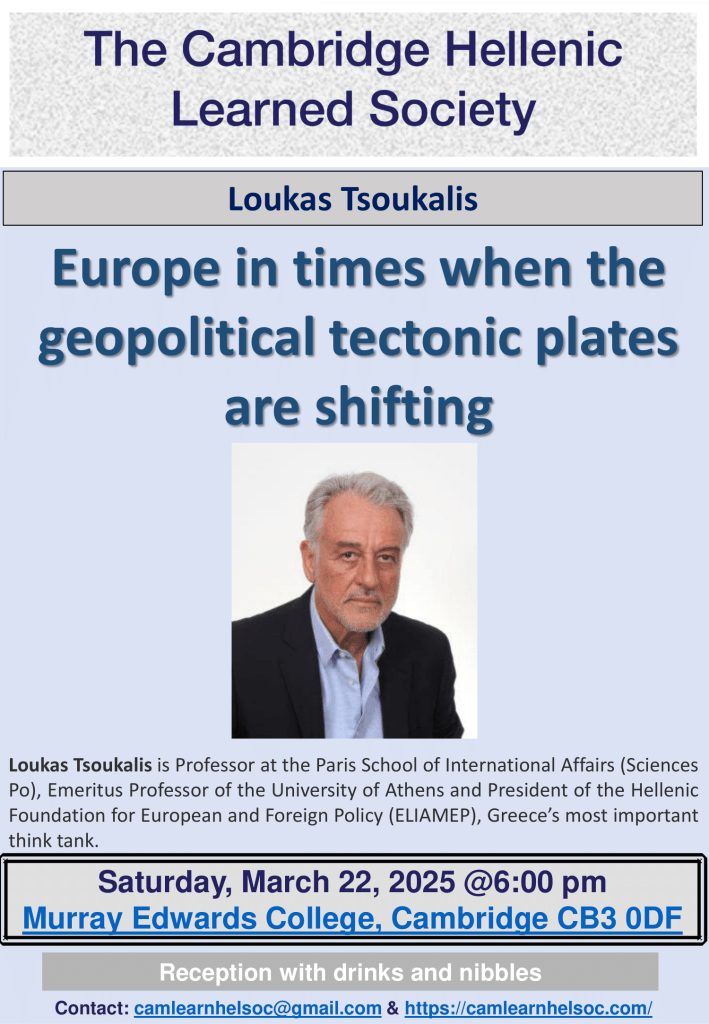
Loukas Tsoukalis is Professor at the Paris School of International Affairs (Sciences Po), Emeritus Professor of the University of Athens and President of the Hellenic Foundation for European and Foreign Policy (ELIAMEP), Greece’s most important think tank. He studied economics and international relations at the University of Manchester, the College of Europe in Bruges, and the University of Oxford where he obtained his doctoral degree and taught for many years. He later returned home as Professor of European Integration at the University of Athens and was subsequently elected to the Eleftherios Venizelos Chair at the European Institute of the London School of Economics. He has held visiting professorships at the European University Institute in Florence, King’s College London, and the Kennedy School at Harvard University among others. He has advised former presidents of the European Commission and the European Council. He has written many books on European integration and international political economy. His latest book Europe’s Coming of Age was published by Polity Press in 2023. He has received many academic awards and decorations.
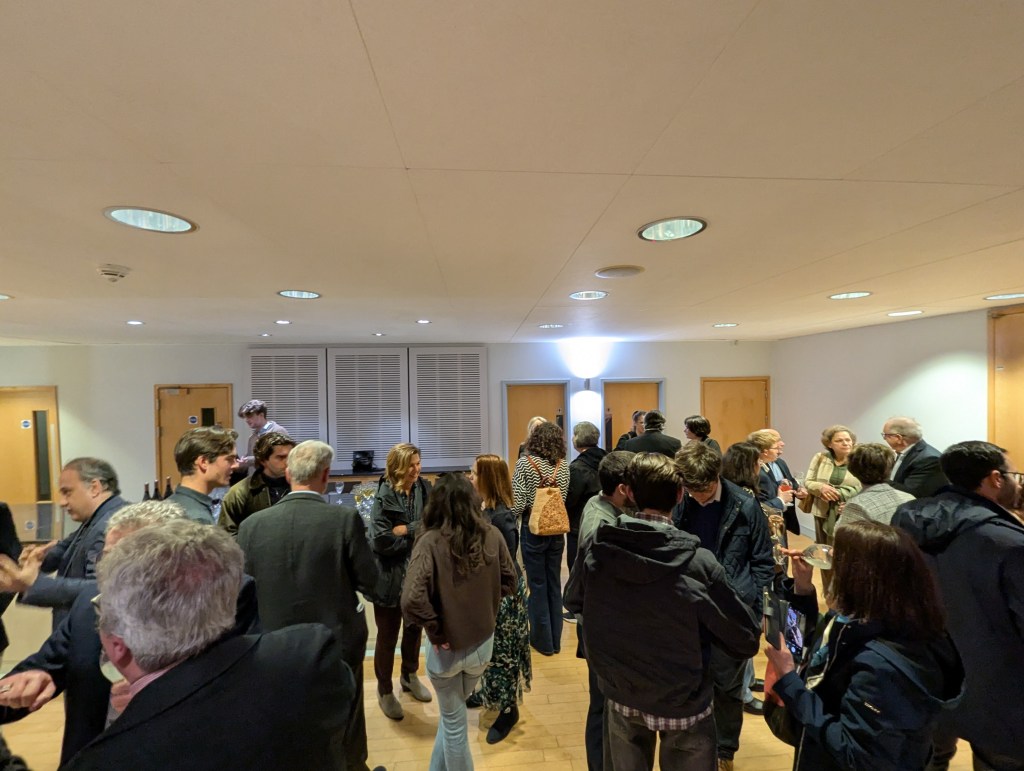
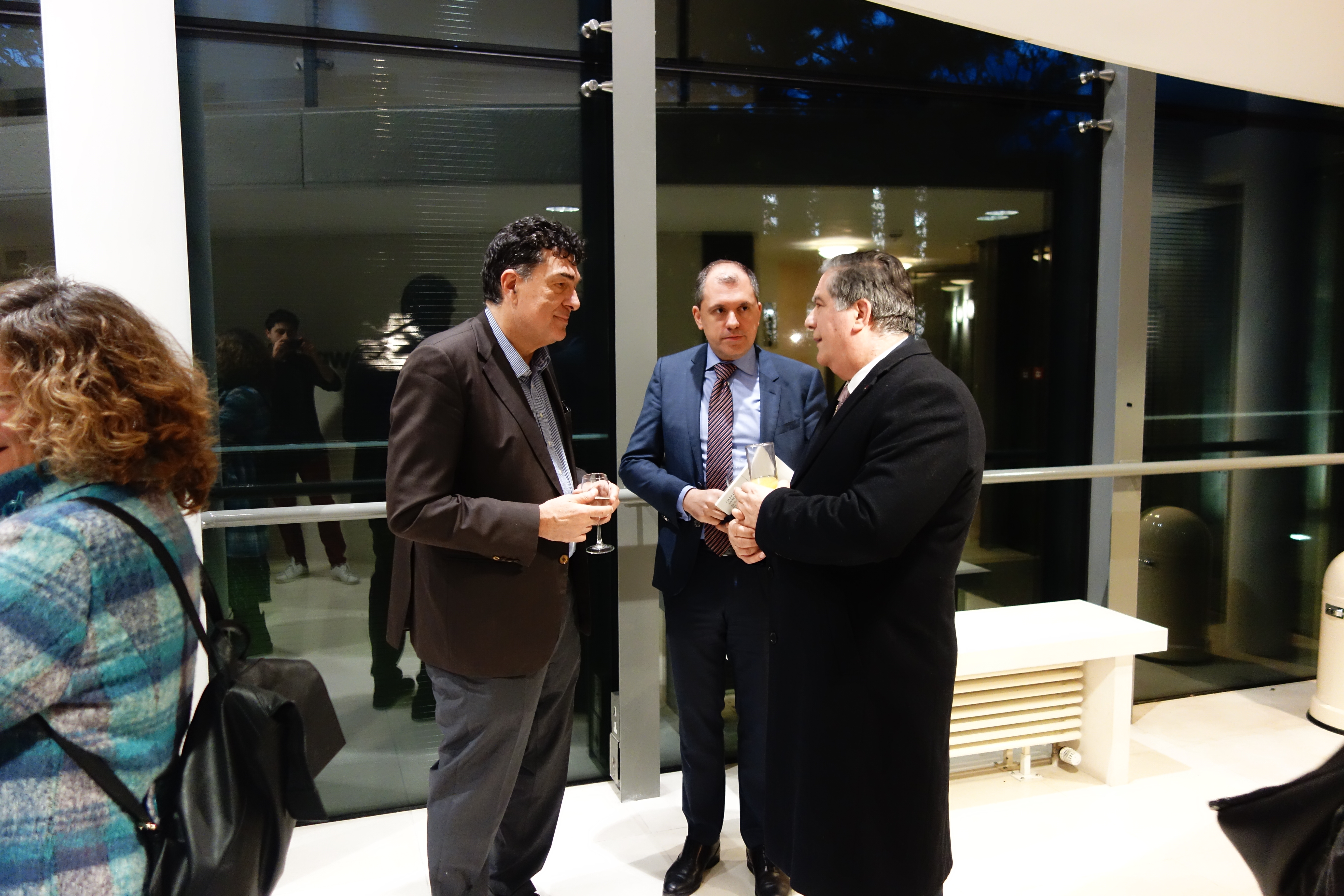
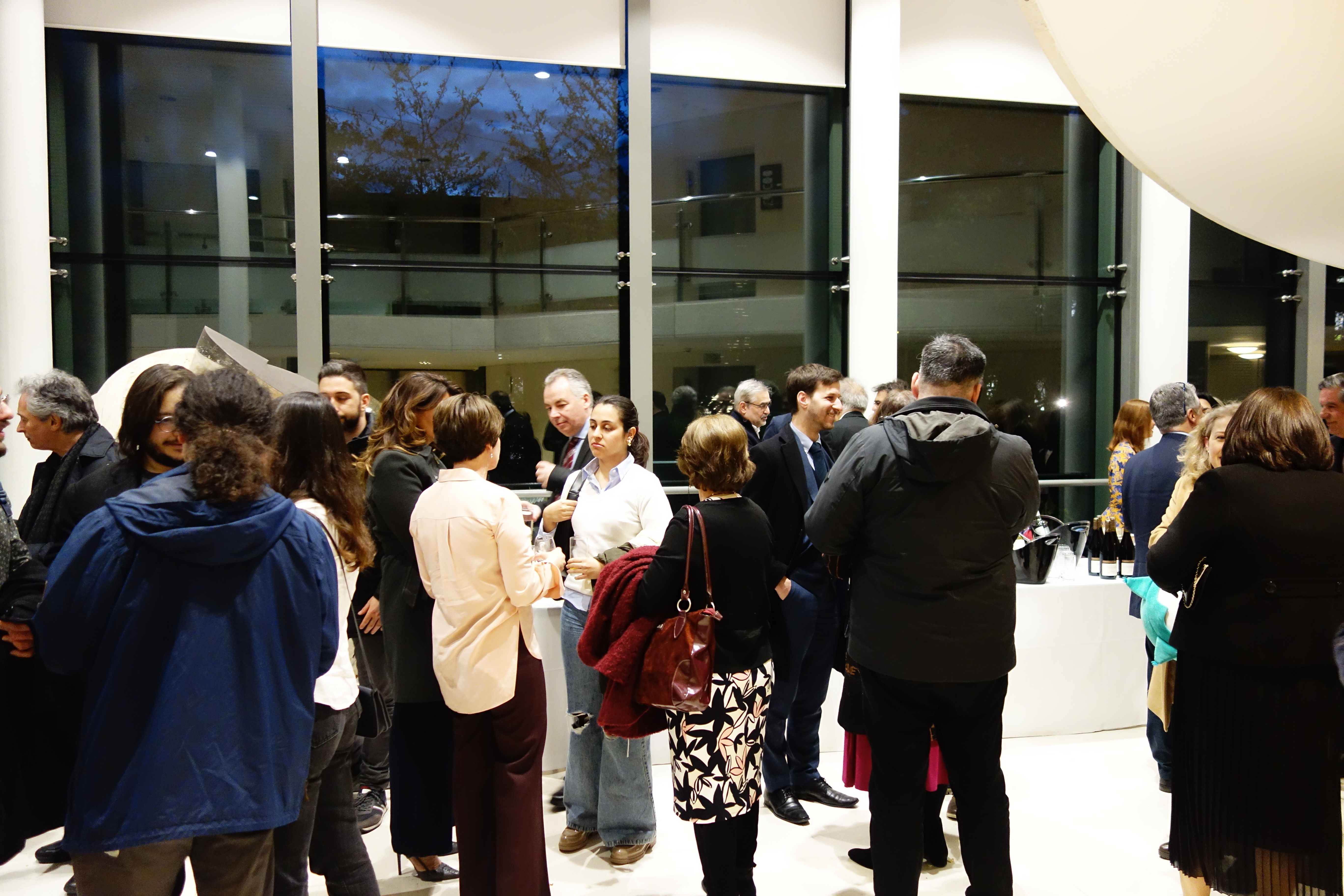
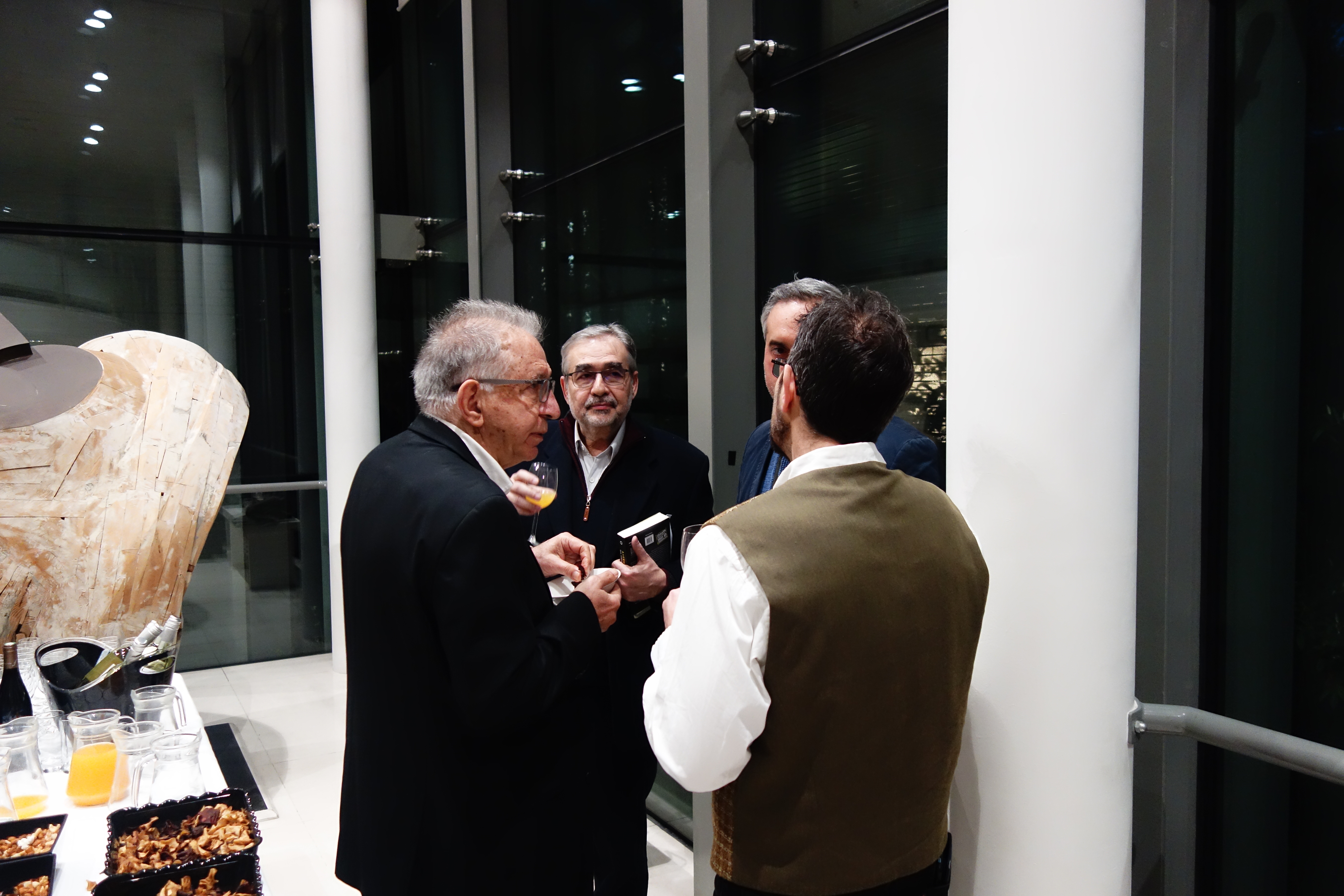
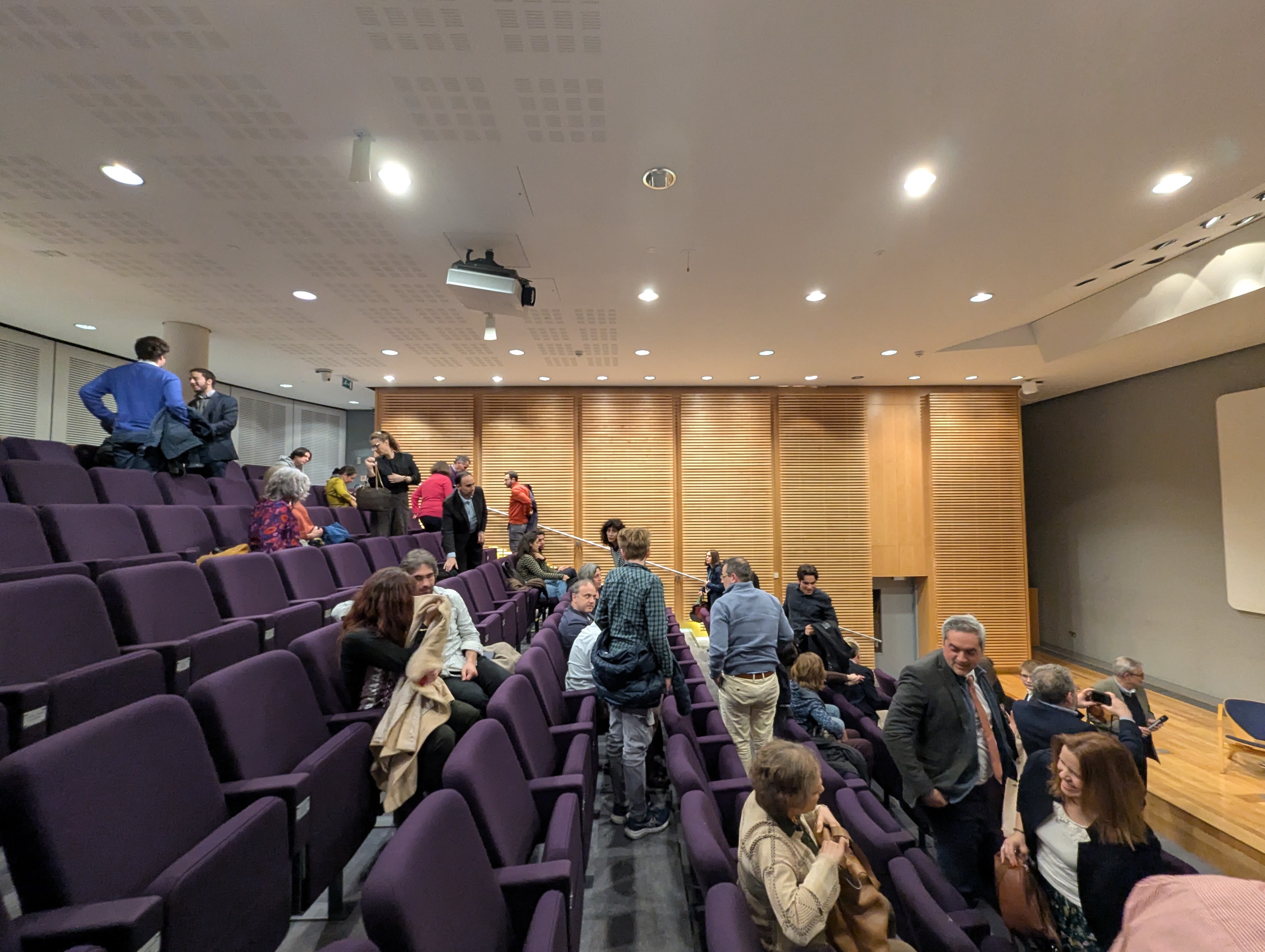
After the talk, there was be plenty of time for a Q&A session, followed by a reception.
The biggest question going forward in terms of Europe is how does an organization – such as the EU – set up for peace prepare itself for potential conflict without losing its identity.











-
Subscribe
Subscribed
Already have a WordPress.com account? Log in now.
 Cambridge Hellenic Learned Society (camlearnhelsoc)